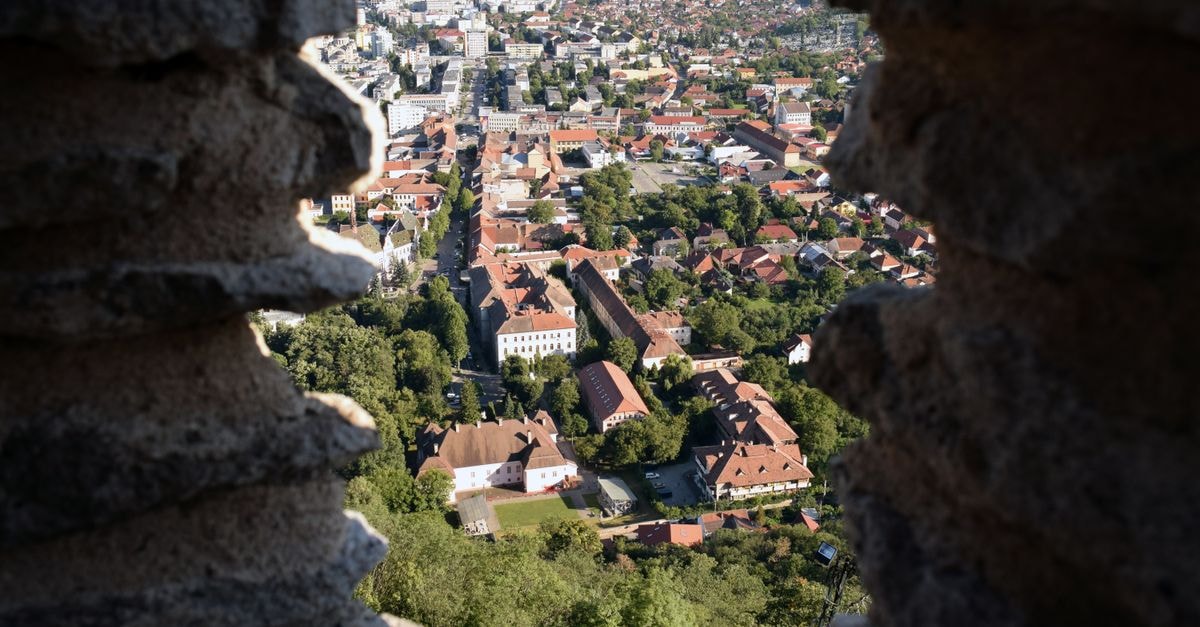
A first impression of Bistriţa

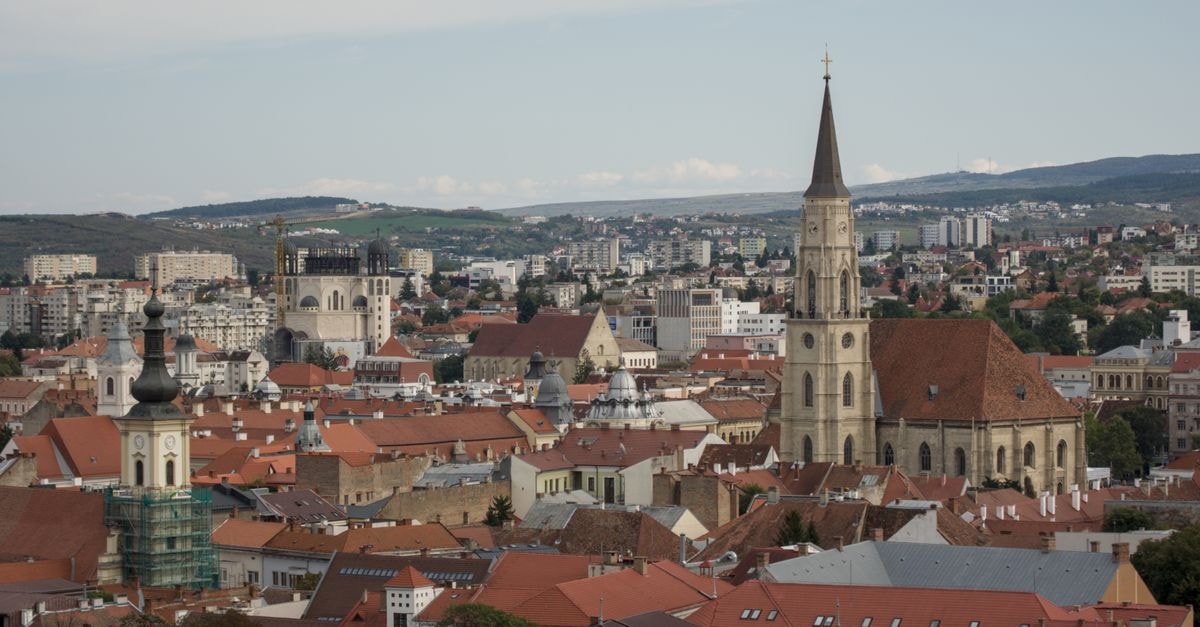
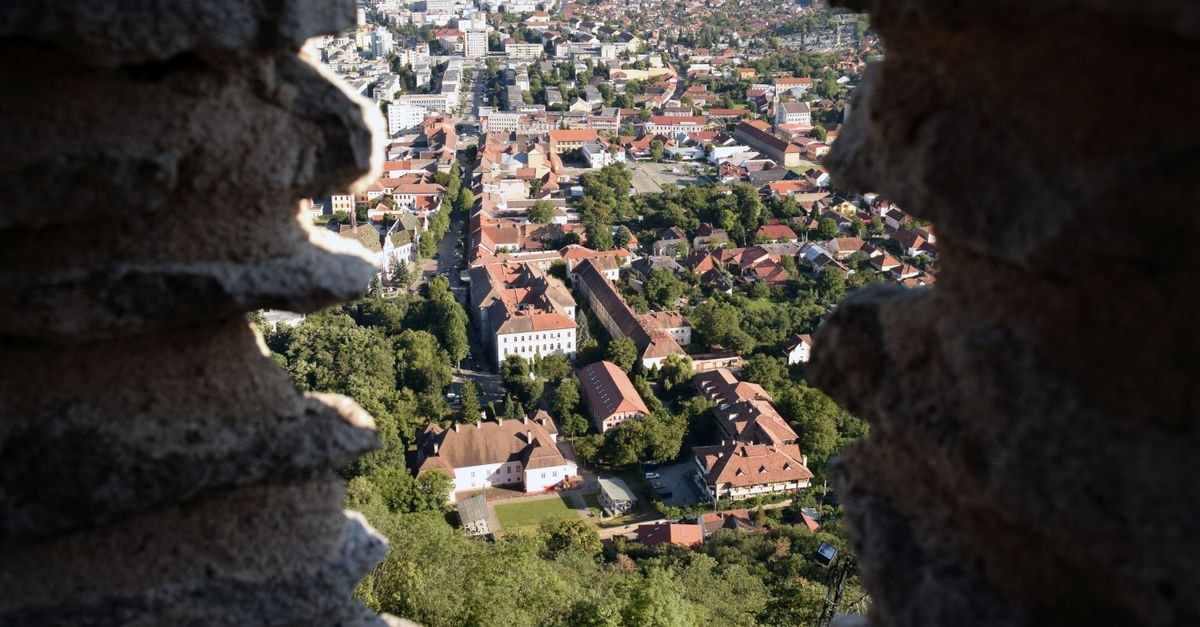
Tucked into the northern reaches of Transylvania, Bistriţa is the kind of place that rewards unhurried feet. It is the capital of Bistrița-Năsăud County and carries the layered identity of a city that has watched empires come and go [F1-1]. Founded in the early 13th century by German settlers, it grew into one of Transylvania's major medieval cities largely because it sat on a main trading route with Moldavia [F1-2]. That crossroads character lingers in its quiet streets today, where a charming cityscape of old architecture meets the soft green pull of the surrounding Romanian countryside [F6-1].
Visitors who prefer smaller historic towns over Romania's bigger draws often find Bistriţa an appealing stop. Its position in the north of the country means that natural landscapes sit close at hand [F6-1], and the mood of the place feels less polished and more lived-in than some better-known Transylvanian cities.
Weather and seasonal context
The approved sources do not include direct temperature readings, rainfall figures, or a current forecast, so any month-by-month weather advice would be speculation. What can be said from the available evidence is that Bistriţa sits in the northern part of Romania, framed by what local guides describe as breathtaking natural surroundings [F6-1]. Travelers who enjoy the rhythm of pacing a city walk around softer light and cooler air may find this corner of Transylvania comfortable for exploring on foot. Because the evidence does not document specific conditions, visitors are wise to check a live forecast before packing, especially if they plan to spend long stretches outdoors. Layered clothing tends to suit northern Transylvanian towns in general, since mornings and evenings can feel noticeably cooler than midday.
If you prefer warm-weather sightseeing, the warmer stretches of the year can be a more relaxed time to linger in outdoor squares. If you prefer the stillness of an off-season visit, lighter crowds and cooler air often shape the rhythm of the day differently. Neither approach is endorsed by the evidence as the right choice; both simply reflect the kind of pace different travelers tend to favor.
Getting around and understanding the layout
Bistriţa's compact medieval core makes it a friendly place to explore without a car. As a regional capital and one of Transylvania's historical trading hubs, the city grew along the route that once linked Transylvania with Moldavia [F1-2], which is why the historic center remains walkable and easy to read on a map. Visitors approaching from elsewhere in Romania will find that the city's status as a county capital gives it reasonable road links, and it has long functioned as a base for moving through northern Transylvania [F1-1].
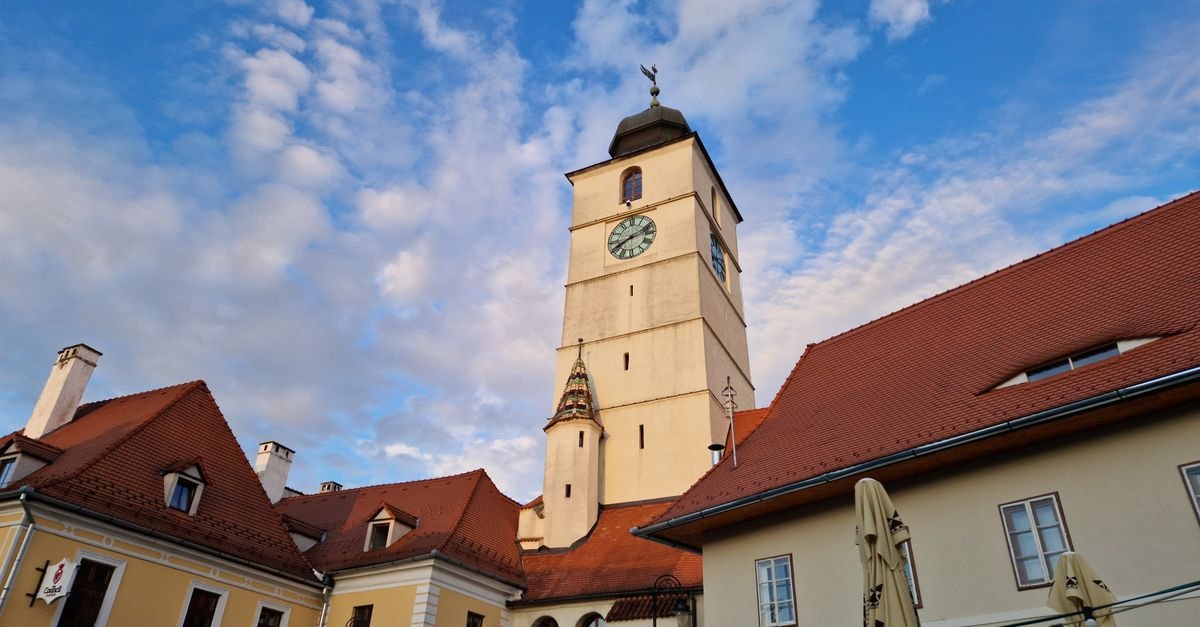
Until 1918, Bistriţa was part of the Austro-Hungarian Empire, and that layered history is part of what gives the streets their character [F3-2]. Walking slowly through the center is often the best way to absorb that context; the medieval trading-town layout is preserved in the general shape of the old quarter.
For travelers who want to push beyond the city itself, the approved sources point toward the mountains and the area near Lake Colibița as a natural starting point for exploring the wider county [F4-2]. How to reach that specific lake, what services sit along the way, and whether a tour, taxi, or local bus is the right fit are details the evidence does not confirm, so visitors should verify current transport options before setting out. Treat that direction as a hint about where the landscape begins to open up rather than a turn-by-turn route.
Attractions and planning
The approved evidence does not list specific museums, churches, towers, or ticketed venues within Bistriţa itself, so this guide avoids naming individual sites or claiming they are open. What the evidence does support is the framing of Bistriţa as a Transylvanian city with a charming historic character and a setting that invites both town-level wandering and time spent in the surrounding county [F5-1].
In practical terms, that means planning tends to fall into two natural shapes. Some travelers anchor their visit entirely in the city, giving themselves time to wander the medieval-era streets and absorb the layered history of a place that once sat between empires and trading regions [F1-2, F3-2]. Others use Bistriţa as a base for the wider county, stepping out toward mountain scenery and Lake Colibița when the day calls for it [F4-2]. The city's role as a county capital makes that kind of split itinerary easy to imagine logistically, even if the exact transport details are left for visitors to confirm locally.
Travelers who enjoy medieval trading towns may find Bistriţa especially rewarding, since its identity grew directly from that role [F1-2]. Visitors who prefer fully guided sightseeing with set opening hours and reservations may find the experience more open-ended than expected, and may want to research specific sites in advance rather than rely on walk-up discovery.
Choosing what fits your trip
The tradeoffs the evidence supports are modest but worth naming. If your interest is medieval Transylvanian history, Bistriţa's founding story and its position on the old Moldavia trading route give the city real texture [F1-2]. If your interest leans toward mountain landscapes and lake scenery, the city's northern Transylvanian setting places that kind of day within reach, though the practicalities of getting to specific viewpoints such as the Lake Colibița area are not detailed in the available sources [F4-2, F6-1]. If you want a purely urban sightseeing break with set attractions and ticketed venues, the evidence here is light, and you may want to pair this guide with a more attraction-focused source before committing. Travelers who value a quieter pace and a sense of stepping into a working Romanian county capital rather than a tourist showcase may find Bistriţa fits that mood well [F1-1, F6-1].
A note before you go
Factual travel conditions can change, and the details in this guide are drawn from a limited set of approved sources. Before traveling, check current conditions and any specifics you plan to rely on through official channels and up-to-date local information. Rates, services, and access details mentioned or implied here should be confirmed closer to your trip rather than treated as fixed.
Share this article
TOOLS FOR THIS PLAN
Make the Bistriţa plan measurable
Choose a tool only when it answers the next question in your trip. Your values stay in the browser, and each tool offers a route back to this planning context.