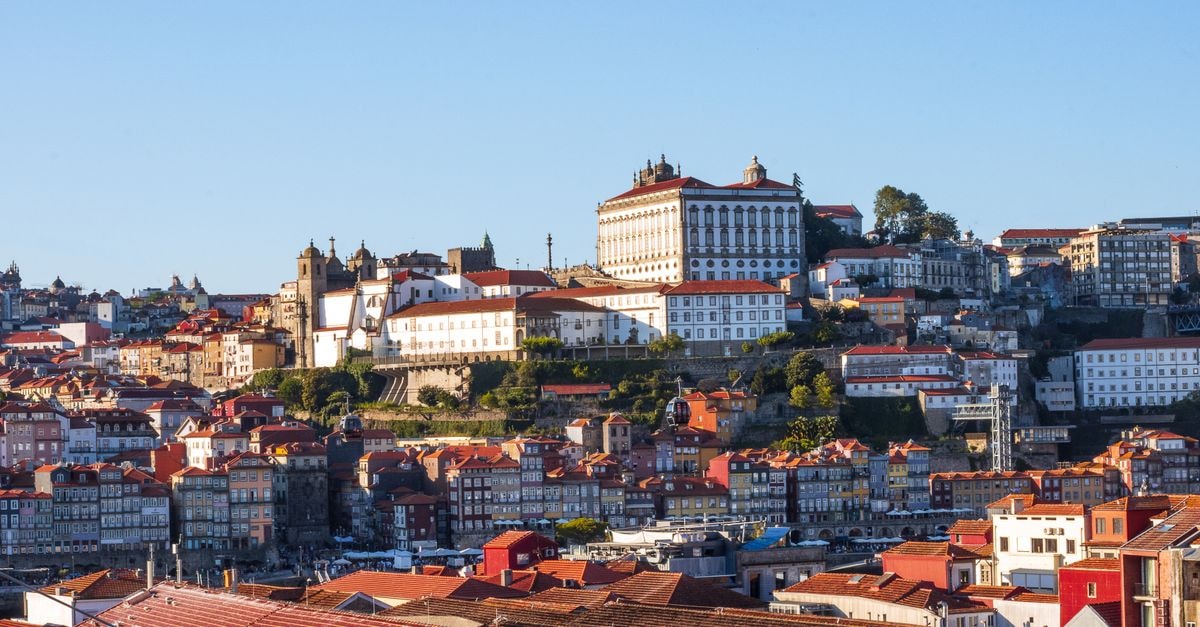
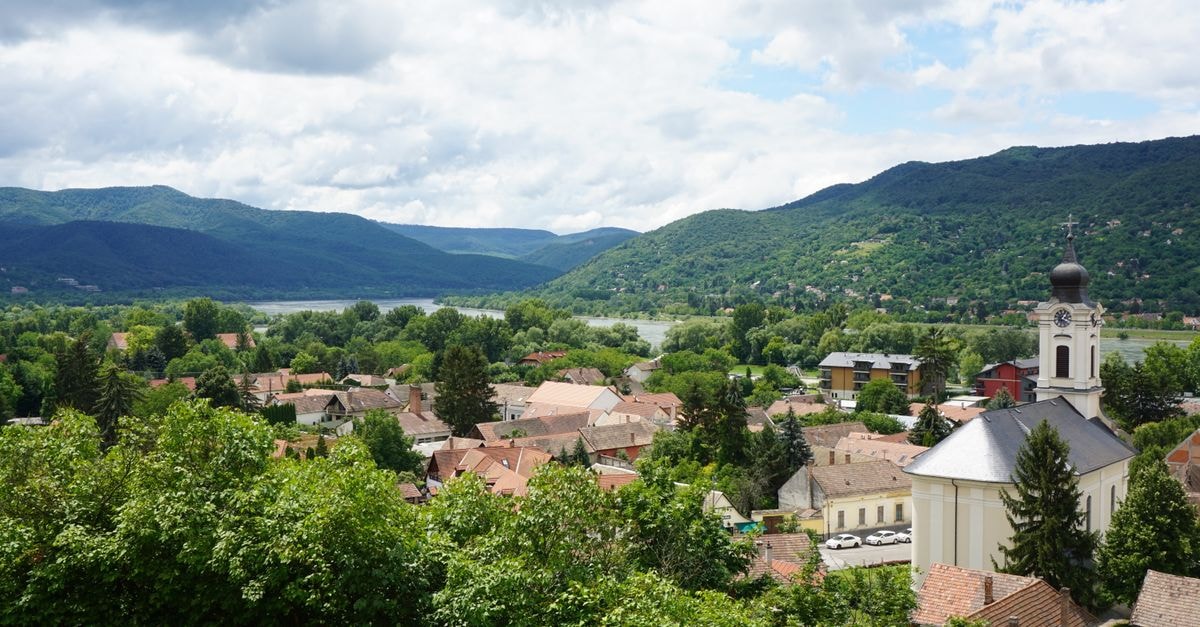
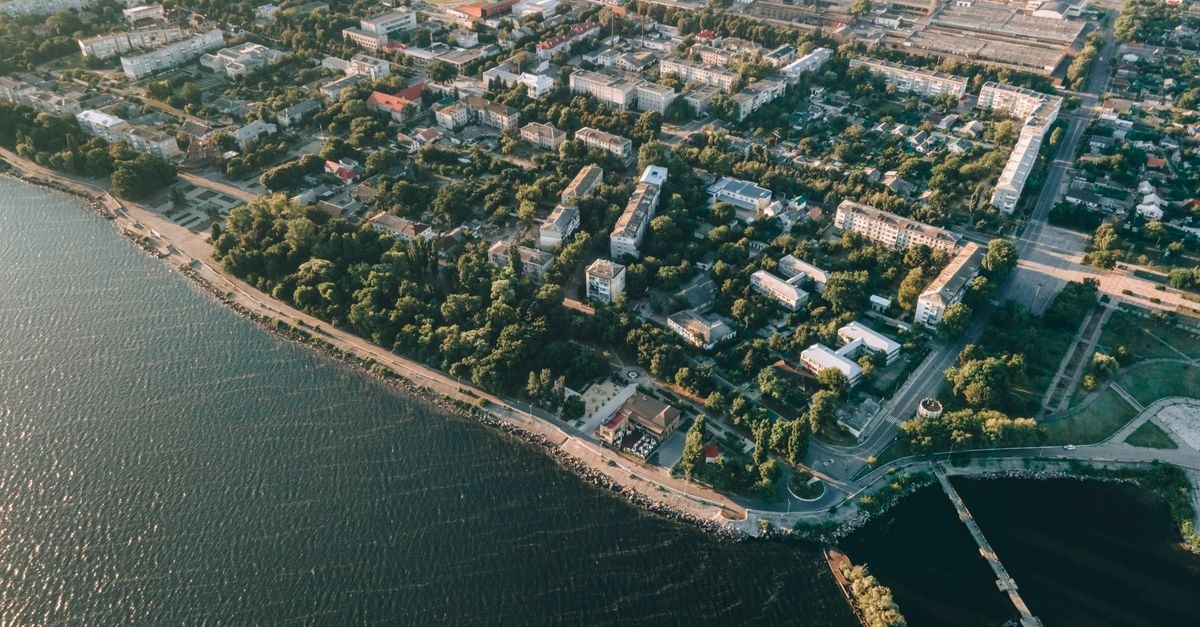
There's a quiet confidence to Bitola, a small North Macedonian city pressed against the Greek border where the Pelister range rises in the distance. It reads as a city comfortable in its own skin: tree-lined boulevards, an old bazaar district, and the kind of layered European history that rewards slow wandering rather than checklist ticking.

For visitors weighing up things to do in Bitola, the appeal sits in this layering. The city's heritage architecture, Ottoman-era lanes, and the sense that you can still walk between eras without hurrying make it a strong base for travelers who like substance over spectacle.
Weather and seasonal context
Bitola sits in a temperate climate where summers run hot and rainfall is distributed through the year rather than concentrated in one season. Pack with that rhythm in mind: light layers for warm midday hours, plus a packable layer for cooler evenings, especially once the sun drops behind the mountains. Because rain can arrive in any month, a compact umbrella is a sensible item to tuck into a day bag.
What this means in practice is that the pace of a visit can flex easily. On a bright day, long walks through the city's older quarters and tree-shaded parks feel natural; on a wet day, the city's sheltered lanes and café culture invite a slower afternoon. Visitors who prefer mild conditions for sightseeing will find Bitola approachable whenever they arrive, and the climate generally suits travelers who like a balance between outdoor exploring and indoor lingering.
Getting in and around
Bitola is well connected to surrounding regions by road, and the main access routes are straightforward to plan around. Travelers coming from Ohrid, Kicevo, or Gostivar typically approach via the E-65 highway on the Macedonian M-4 route. Those arriving from Prilep or Veles will generally follow the M-5. Both routes are described as reliable ways into the city, and the public transport hubs are conveniently placed: the bus station and the train station sit near the end of the Bitola park, which makes a smooth handoff to walking once you arrive.
For travelers who like their arrival to feel simple and central, that park-side location is a quiet gift. From the station area, the city core opens up on foot, and the orientation is intuitive once you have the park as a reference point. If you prefer to keep your transfer time short and start exploring on foot rather than arranging onward taxis, the layout of the bus and train terminus tends to suit that style of arrival.
Local transport within Bitola links the city to the wider region, and the general impression from visitors is that moving between Bitola and neighboring cities is uncomplicated. For independent travelers who like the reassurance of multiple options, this mix of regional road links and nearby stations helps keep plans flexible.
Heritage, landscapes, and the wider region
Bitola carries a blend of cultural heritage and modern flair, and that blend is exactly what makes a visit feel rewarding rather than rushed. The city's architectural layering, including its Ottoman-era bazaar, gives a sense of continuity between past and present.
Beyond the city itself, the Pelister mountain range and surrounding wild landscapes are described as being just up the road, framing Bitola with easy access to nature. Travelers who like to pair urban walking with even a brief escape into forested hills will find the geography naturally inviting. Because Pelister National Park sits so close, even a half-day outing can shift the texture of the trip from historic streets to alpine air.
For visitors thinking about broader things to do in Bitola and the wider North Macedonian region, the city works well as a base. Independent travelers and small groups who enjoy sequencing their days between old neighborhoods, parks, and natural landscapes tend to find Bitola gives them the variety they want without requiring long transfers.
Food and local context
Eating in Bitola is treated by local sources as more than a single-restaurant decision. The pattern that experienced visitors and local guides describe is one of sampling: trying more than one venue over the course of a stay, walking between cafés and restaurants, and treating meals as a way to read the city's rhythms.
Guided food tours are framed as a useful option for travelers who want to cover more ground and pick up the backstory of what they're eating. This suits visitors who prefer context and conversation to silent solo meals, and who like the idea of having the geography of the city's food scene mapped out for them.
For independent eaters, the broader takeaway is to approach Bitola's food scene with curiosity rather than a fixed plan. The city is positioned as a place where variety matters: tavernas, cafés, and small kitchens serve the city's mixed heritage, and visitors who move between venues tend to get a fuller sense of the place than those who settle on a single table.
Choosing what fits the trip
Bitola's strength is its ability to combine heritage sightseeing with quiet outdoor breaks and a flexible food scene. Travelers who like to anchor a day in one neighborhood and then pivot toward nature will find the city's scale workable on foot, with the Pelister foothills close enough for a change of scene. Those who prefer a more structured approach might lean on a food tour to get oriented in the first afternoon, then branch out on their own once the city's geography clicks. Visitors arriving by long-distance bus or train will appreciate how close the main stations sit to the central park, which shortens the gap between arrival and exploring.
The trade-off to weigh is that Bitola is best read at a relaxed pace. If your travel style is built around dense, rapid sightseeing across many cities in a single pass, you may want to anchor Bitola with just a couple of clear priorities rather than trying to compress everything. Travelers who prefer depth over breadth tend to find the city more rewarding.
A small verification note before you go: opening hours for specific venues, transport timetables, and seasonal conditions can shift, so it's worth checking current details through the official Macedonian tourism channels or your accommodation before finalizing plans.
*Factual travel conditions can change, and official channels should be checked before departure.*
Share this article
TOOLS FOR THIS PLAN
Make the Bitola plan measurable
Choose a tool only when it answers the next question in your trip. Your values stay in the browser, and each tool offers a route back to this planning context.