A River Capital Waiting to Be Read Slowly

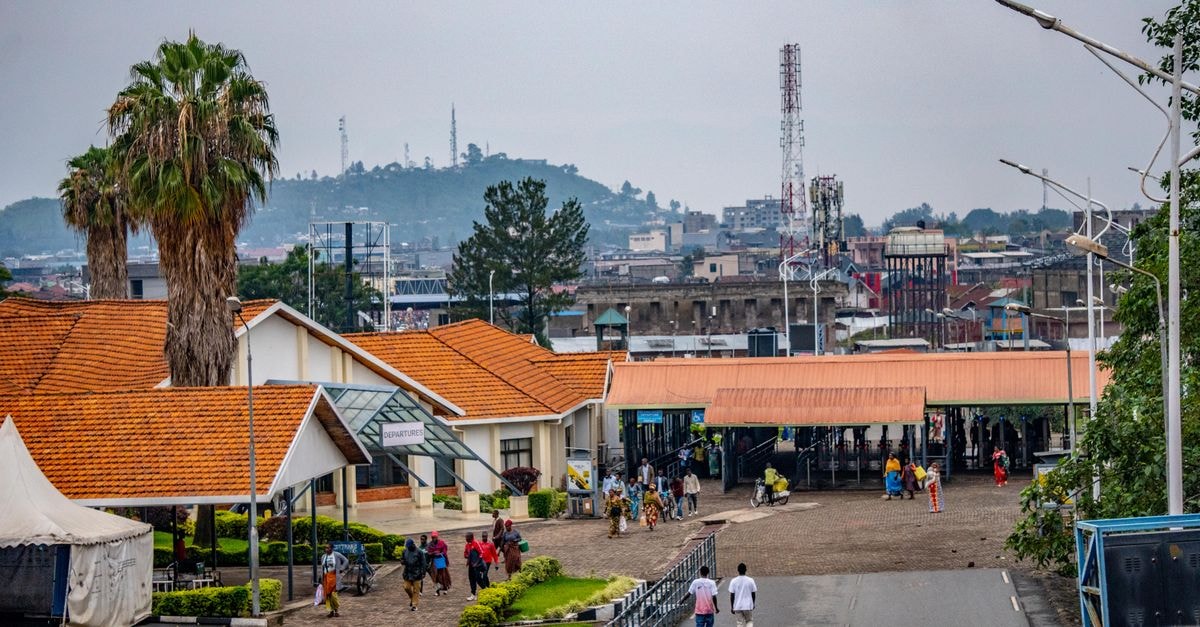
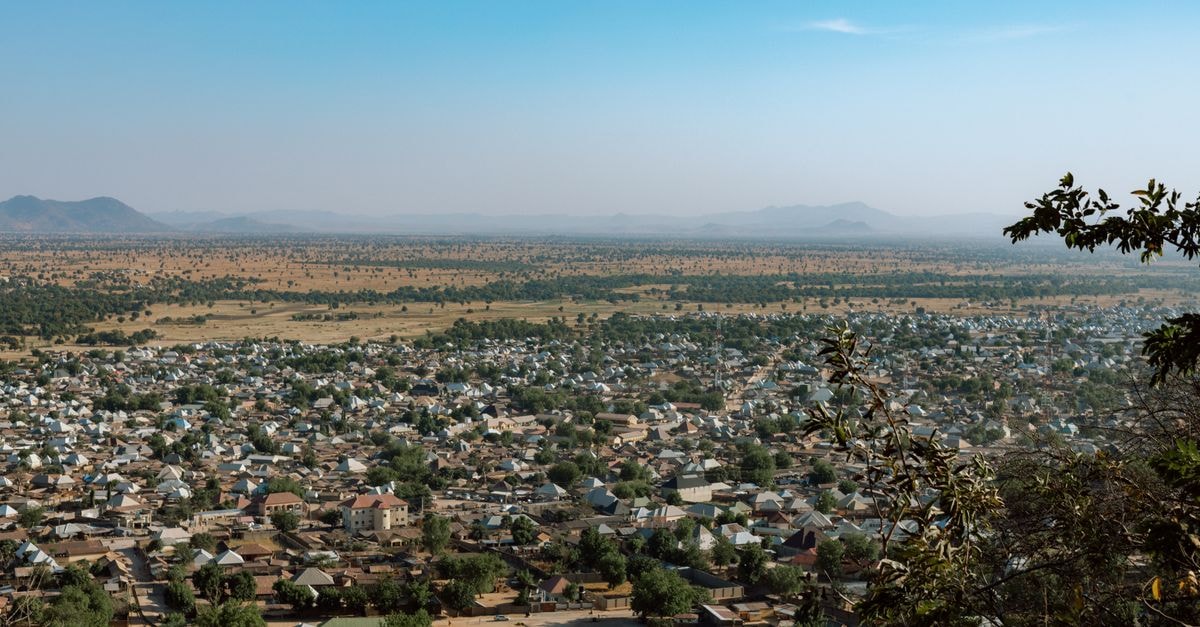
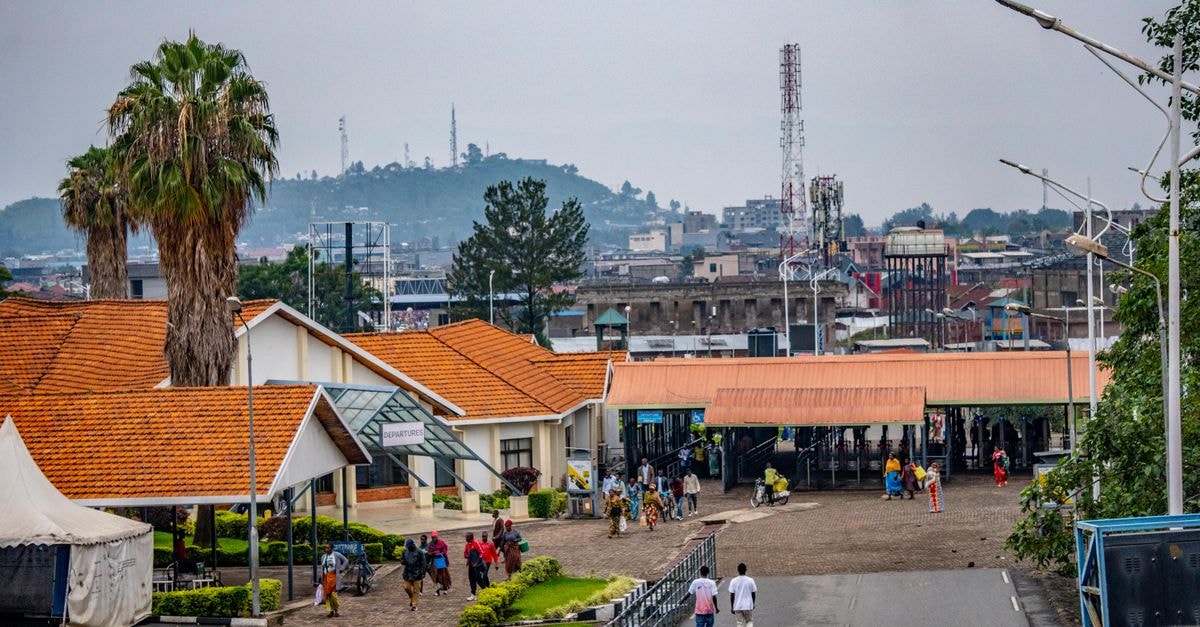
Boende sits low and lush on the banks of the Tshuapa River, and the first thing to understand about it is geographic: this is a river town before it is anything else. The water shapes how people arrive, how they move, and how the rhythm of the day is set. Coming here expecting the pace and polish of a metropolis is the wrong frame. Reading Boende as a quiet provincial capital—one that doubles as a gateway into the central Congolese wilderness—tends to unlock much more of the place.
There's a particular texture to river-port towns that frequent travelers learn to appreciate. Mornings feel unhurried. Movement clusters around landing points. Conversations spill onto verandas. For travelers who genuinely enjoy watching a place breathe—rather than racing through a checklist—Boende carries that quality in a rare and rewarding way.
Weather and Seasonal Context
Boende's climate, by virtue of its location deep in the equatorial Congo Basin forest, runs on rainfall rather than on the four seasons familiar elsewhere. The rhythm that locals read is wet and drier, and visitors will feel that rhythm through humidity, river levels, and the thickness of the forest around town.
What this means in practice is that any time of year can be a time to visit, with the right expectations. Travelers who prefer softer light for walking and photographing can lean toward the slightly drier windows; those who don't mind the occasional downpour will find that rain cools the streets and turns every footpath a darker green. Pacing matters more than a calendar date. Plan generous time between movements, expect sudden tropical showers, and treat the river rather than the clock as your schedule.
If you prefer not to walk long distances in heavy humidity, arranging point-to-point transport rather than wandering on foot can make the heat far more manageable. Travelers sensitive to intense equatorial sun should plan outdoor exploring for the cooler hours around dawn and late afternoon, leaving the midday for shade, food, and rest.
Getting Around
Boende's layout follows the river. Because the city doubles as a port and as the administrative and travel hub for the wider Tshuapa region, transport here is geared toward connecting people to boats, services, and neighboring settlements rather than toward internal sightseeing circuits.
For groups moving together, minibus and bus rental services are arranged locally; these are the practical option when a party needs to travel as a unit between the river port, town services, and onward connections. Independent travelers will find that moving around Boende is essentially a question of short distances, with the river defining the geography more than any road network.
If you're a traveler who values flexibility and spontaneous stops, the upside of a small town like Boende is that almost everything interesting sits within a compact area along the riverbank. Travelers who prefer air-conditioned coaches or set intercity timetables, however, should recalibrate expectations; this is a place where schedules tend to respond to boats, weather, and local rhythm.
Food and Local Context
Boende doesn't have a widely published restaurant guide, and that absence is part of its character. What you can expect, sitting within the wider Democratic Republic of the Congo, is a cuisine whose flavors lean on plantain smoke and the distinctive heat of palm oil—dishes that are filling, starchy at their base, and designed to fuel a working day.
A few national dishes quietly shape what turns up on plates across the country, including in Boende. Fufu, the dense maize-based staple, anchors countless meals and is the foundation of how Congolese dinners are typically built around the table. Visitors used to lighter grain-based meals may find fufu substantial in a way that rewards slowing down, eating with hands, and learning the local dipping and scooping rhythm.
Because the cuisine of the Democratic Republic of the Congo varies widely across regions and ethnic groups, dishes in Boende will reflect its central, riverine setting as much as any national pattern. Travelers who enjoy asking, watching cooks at work, and tasting what is offered—rather than ordering from a fixed menu—will get more from the food experience here. Those who need extensive menu choice, English-language menus, or strict vegetarian labeling may find the going slower and should plan to communicate needs clearly.
Planning Around Your Travel Style
Choosing what suits a Boende trip is mostly about honest matching between traveler temperament and what the town actually offers. Boende rewards curiosity, patience, and an appetite for river-town rhythm; it is less suited to travelers chasing a dense checklist of sights or expecting polished tourism infrastructure.
If your travel pleasure comes from river views, unhurried conversations, market textures, and food that feels rooted in place, the trip will likely feel rewarding. If your preferences run toward structured itineraries, fast interconnecting transport, or familiar international dining on demand, you may want to scope Boende as a longer, exploratory stay rather than a quick stop, accepting that some days will be about simply being present rather than doing.
Before You Go
Because on-the-ground conditions in Boende and across the Tshuapa region can shift, the most useful preparation is practical: confirm current transport options, check the latest advisory guidance for travel in the Democratic Republic of the Congo, and verify any connections in advance. Factual travel conditions can change, and official channels should be checked before departure.
Share this article
TOOLS FOR THIS PLAN
Make the Boende plan measurable
Choose a tool only when it answers the next question in your trip. Your values stay in the browser, and each tool offers a route back to this planning context.