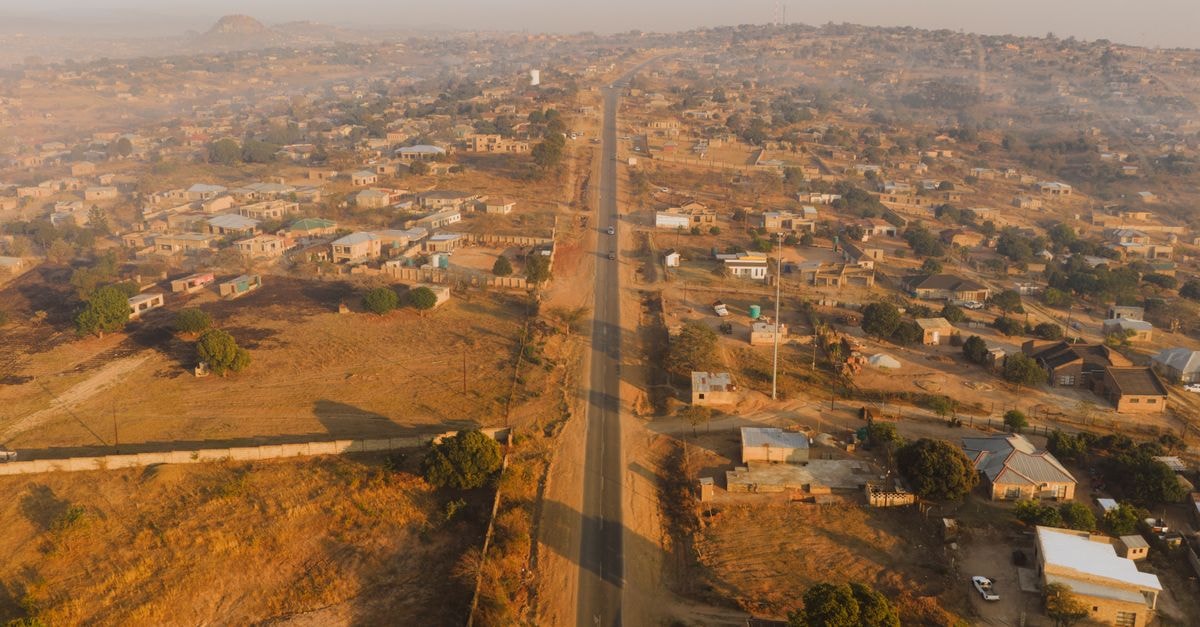
A quick introduction to Boksburg

Set in the East Rand region of Gauteng, Boksburg sits within easy reach of Johannesburg and Pretoria, making it a practical base for travellers who want to explore the province without staying right in the centre of the bigger cities. The area carries a mining-rooted heritage that still shapes parts of its identity, and today it functions as a suburban hub where residential streets, retail centres, and small cultural stops sit side by side.
For visitors, Boksburg works well as a quieter, more affordable alternative to Johannesburg proper, especially if you have a reason to be on the eastern side of the metro. It is the kind of place where you can settle in, sort out the practicalities of a South African trip, and dip into a few local experiences without the intensity of a big-city stay. This guide keeps things grounded: what is actually here, how to move around, where the food culture shows up, and how the seasons tend to feel.
Weather and seasonal context
Weather information for Boksburg is widely published through travel guide platforms that track local conditions and seasonal patterns across Gauteng. General travel listings describe the city's climate in the context of broader regional travel planning, so visitors typically consult those pages for a current snapshot before arriving.
In practical terms, the Highveld climate that Boksburg shares with the wider Gauteng region tends to bring warm, wet summers and drier, cooler winters. Spring tends to feel like one of the most comfortable windows for being outdoors, with milder daytime temperatures and the kind of light that makes walking around more pleasant. If you prefer cooler mornings and softer midday sun, that shoulder window can suit visitors who do not enjoy the intensity of peak summer heat. Travellers who prefer warmer, longer evenings may want to time their visit differently, since winter evenings can cool off quickly on the Highveld.
Because conditions on any given day can shift, it is worth checking an up-to-date local forecast close to your arrival rather than relying on a fixed impression of the season.
Getting around
Boksburg is positioned close to both Johannesburg and Pretoria, so it is well connected by road for travellers driving themselves or arriving by intercity transfer. Within the city, the suburban layout means that having your own vehicle, or arranging rides through local taxi and ride-share services, tends to be the easiest way to move between neighbourhoods, shopping areas, and any specific stops on your list.
If you are planning to use Boksburg as a base for day-to-day excursions into Johannesburg or Pretoria, factor in commute time. The road links are straightforward, but Gauteng traffic can be slow at peak hours, so an early start often makes the difference between a relaxed day and a long one spent in traffic.
Attractions and planning
Local listings of things to do in Boksburg tend to centre on a small but distinct set of stops that reflect the city's character. One of the more specific cultural attractions in the area is the Hechter-Schulz Afroculture Museum and Study Centre, a private museum in Boksburg run by Naomi Hechter-Schultz, focused on Afroculture. For visitors with a particular interest in private collections, community-led cultural institutions, or the kind of niche museum experience you do not always find in larger cities, this stop offers something different from the usual sightseeing circuit.
Beyond the museum, the broader list of activities in Boksburg includes family-focused entertainment and shopping options, which is a common pattern in East Rand suburbs where malls tend to function as social hubs as much as retail centres. Travellers looking for a relaxed afternoon with a mix of browsing, casual dining, and family-style activities will likely find the local malls useful, while those seeking a denser cultural itinerary may prefer to combine Boksburg with a dedicated day in central Johannesburg's museum and heritage districts.
Travel platforms also frame Boksburg as offering a broad collection of activities and attractions suited to different traveller types, though the actual on-the-ground offering is more compact than the wording suggests. Planning a short list of two or three priority stops, rather than trying to fill every hour, tends to match the city's pace. Confirm opening hours and any visitor requirements directly with each venue before you go, especially for the smaller private museum, since private institutions often run on more limited schedules than major public sites.
Food and local context
The food scene in Boksburg reflects a wider South African mix of traditional dishes and internationally influenced restaurants, which is the pattern visitors can expect to encounter across many parts of Gauteng. Local food listings describe the gastronomy as an appetising blend of South African traditions and international hits, and that blend is what you will most often see on menus in the area.
On the broader South African plate, visitors in Boksburg are likely to come across familiar country-wide dishes such as braai-style meat, pap and sauce, boerewors, and stews, alongside curries, grilled fish, and globally influenced cafe fare. This is wider South African food culture that visitors can expect to encounter in Boksburg rather than a city-specific speciality, so it is worth treating it as a flavour of the country rather than a signature of the suburb itself. Travellers with dietary preferences should check menus ahead of time, and those who want a specific traditional braai experience may want to ask locally about weekend setups at restaurants or guesthouses that run them.
Choosing what fits your trip
Boksburg tends to suit travellers who want a quieter, more affordable base in the East Rand with easy road access to Johannesburg and Pretoria, especially if you have a car or are comfortable using ride-shares. The Hechter-Schulz Afroculture Museum may appeal to visitors specifically interested in private cultural collections and Afroculture, while travellers focused on mainstream sightseeing, nightlife, or dense urban itineraries may prefer staying closer to central Johannesburg. The local mall-and-family-entertainment mix works well for relaxed afternoons, but does not replace the depth of a full Johannesburg itinerary if cultural sightseeing is your main goal.
Before you go, it is worth confirming current opening hours, booking details, and any visitor requirements directly with the specific venues you plan to visit, since smaller private institutions and locally run restaurants can have schedules that change without much online notice. Factual travel conditions can shift, so a quick check with official channels or the property itself before departure is always a sensible last step.
Share this article
TOOLS FOR THIS PLAN
Make the Boksburg plan measurable
Choose a tool only when it answers the next question in your trip. Your values stay in the browser, and each tool offers a route back to this planning context.