A riverside city with a layered past

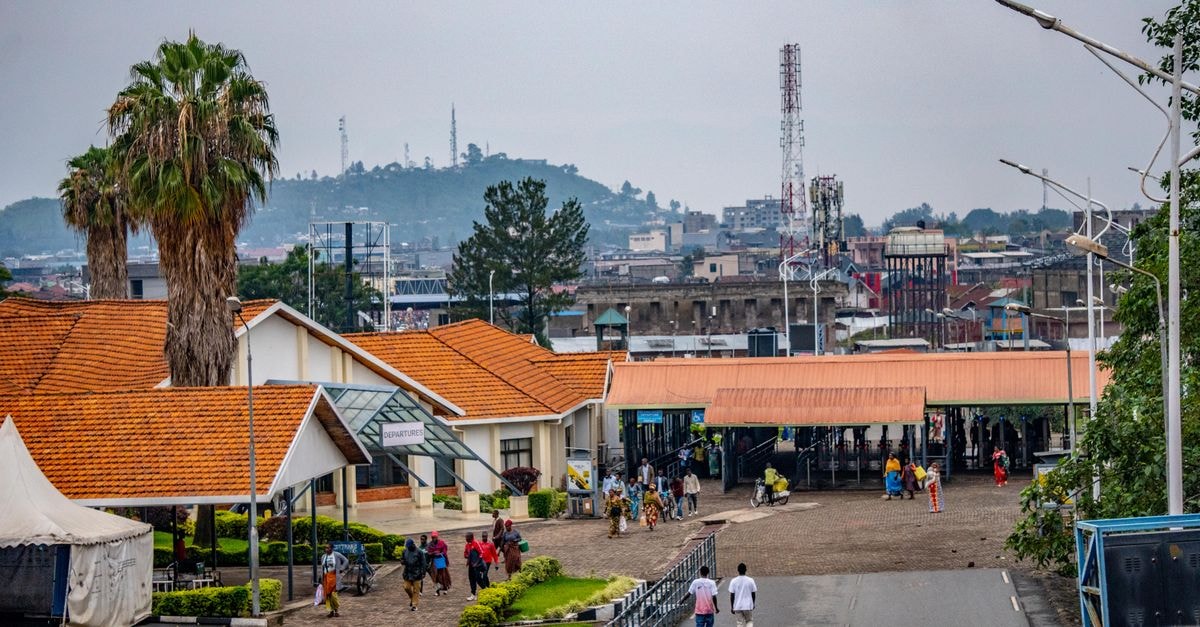
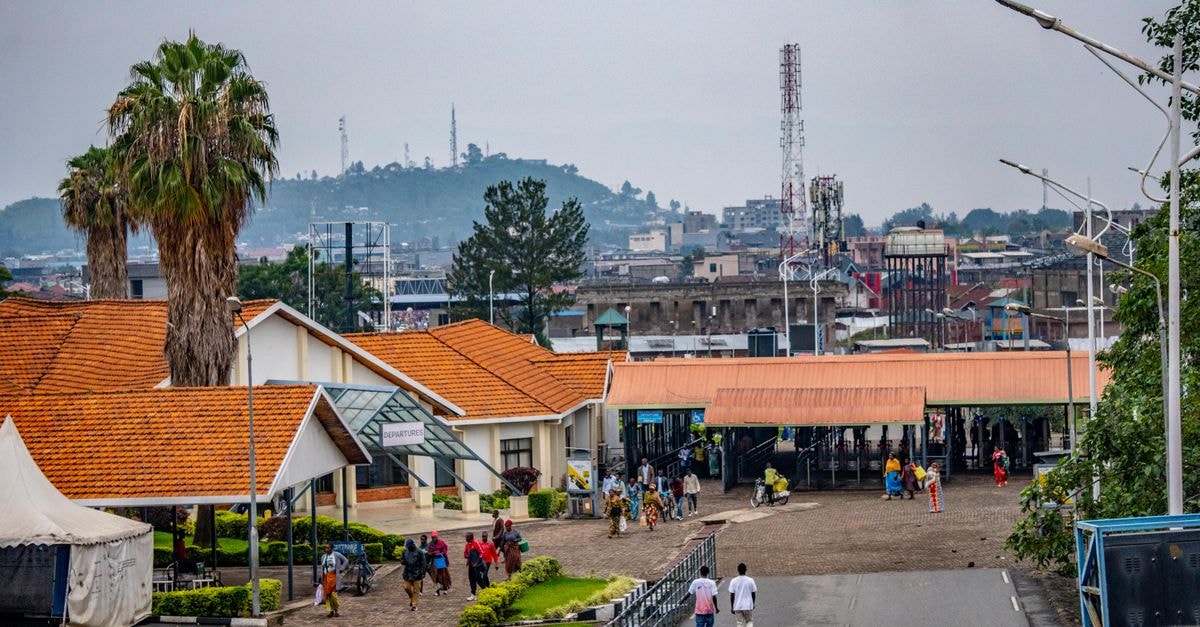
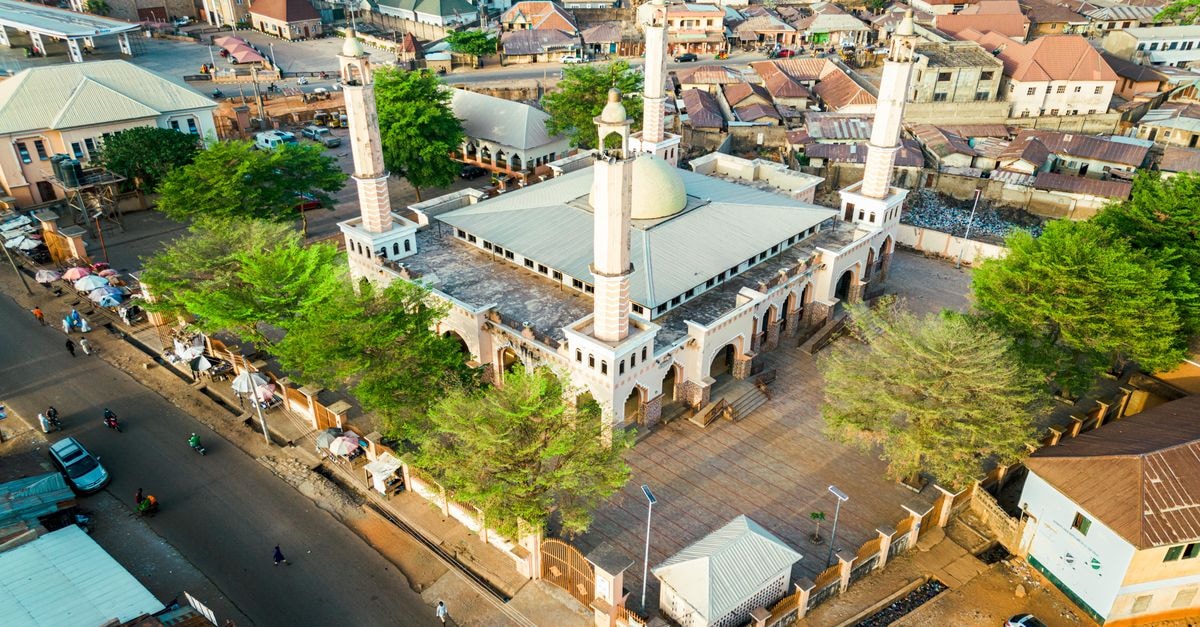
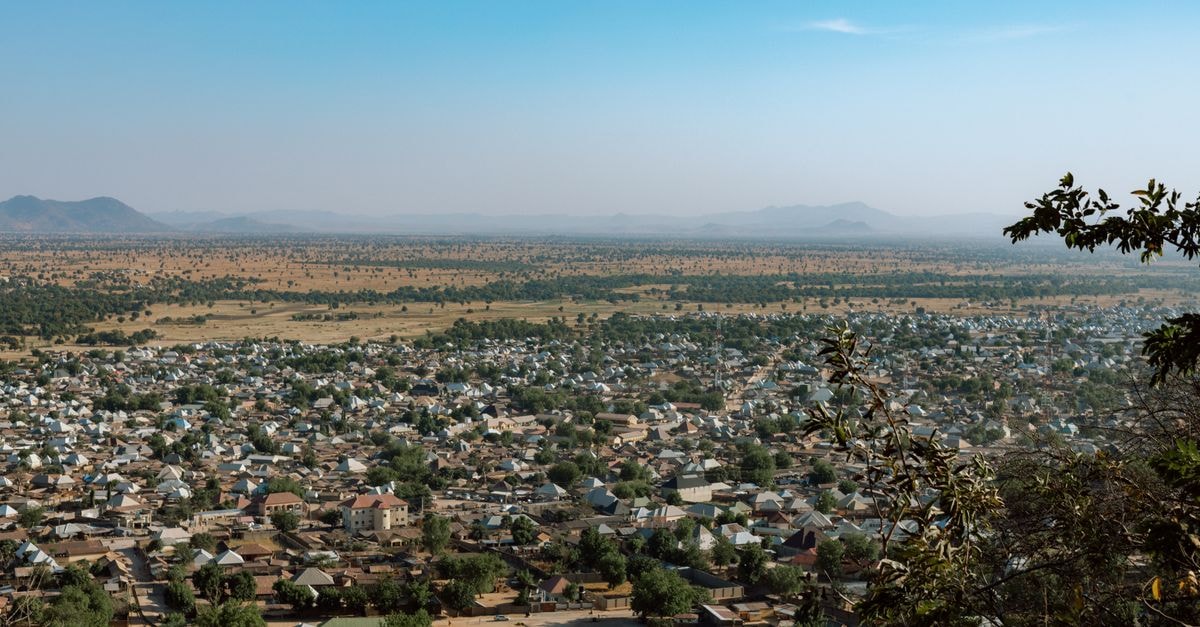
Boma sits quietly along the Congo River in the country's western reaches, and it has the feel of a place that likes to take its time. The city carries a long history written in stone and street plan, beginning with the era of Portuguese contact, continuing through Belgian colonial administration, and then the years that followed independence. That arc gives the streets a certain gravity. Even a short walk tends to feel like a small history lesson, with old administrative buildings and faded merchant houses opening onto squares where everyday life just keeps flowing.
The mix of busy markets, historic sites, and a kind of unguarded authenticity is part of what draws travellers here in the first place. It is not a city that performs for visitors. People come for the layered past, the slow pace, and the sense that you are seeing something that has been here for a long time.
If you are the kind of traveller who enjoys piecing together a place's story from its buildings and street rhythm rather than from a packed sightseeing checklist, Boma tends to reward that patience.
Walking into the city's history
The most logical way to get to know Boma is on foot, at the pace of someone who wants to absorb rather than tick boxes. A heritage trail within the city links its main historical sites into a single, walkable thread, moving through the different chapters of its past. You move from the early Portuguese contact period into the Belgian colonial era and then into the independence-era landmarks, so the trail works almost like a timeline you can feel under your feet.
Because the trail spans several distinct historical periods, readers who enjoy architectural contrasts, faded public buildings, and quiet plazas may find it especially rewarding. Those who prefer a single immersive museum visit over a multi-stop route may want to pace themselves and read up on the periods in advance so each stop has context.
Allow yourself extra time at each site rather than rushing between them. The trail rewards unhurried looking, and several of the buildings have details, inscriptions, and weathering patterns that only reveal themselves when you slow down.
Getting around and getting in
Boma is small enough that you can cover much of the historic core on foot, especially along the heritage trail. For longer distances, taxis and motorbike taxis are part of the local transport mix, and walking between nearby points of interest is often the most rewarding way to move around.
A few practicalities that tend to matter:
- **Route planning.** Several sources note that travel plans to Boma can be built around routes that are already worked out by other travellers, with the option to personalise the order of stops. This is useful if you want to combine the heritage trail with a market visit or a longer riverside walk without having to design the whole day from scratch. - **Information sources.** General travel guides covering the Democratic Republic of the Congo tend to bundle information about Boma into country-level pages, so it is worth reading both the city-specific material and the broader country sections to get a fuller picture of how Boma fits into the wider region. - **Connectivity.** Because some information about Boma comes from itinerary aggregators rather than dedicated city guides, it helps to cross-check schedules, road conditions, and transport options through more than one source before you set out for the day.
Travellers who like to design their own routes piece by piece may want to sketch out a rough plan in the morning and leave space for unexpected detours along the way. Boma is the kind of place where the unplanned stops often end up being the most memorable.
Food, markets, and the taste of the region
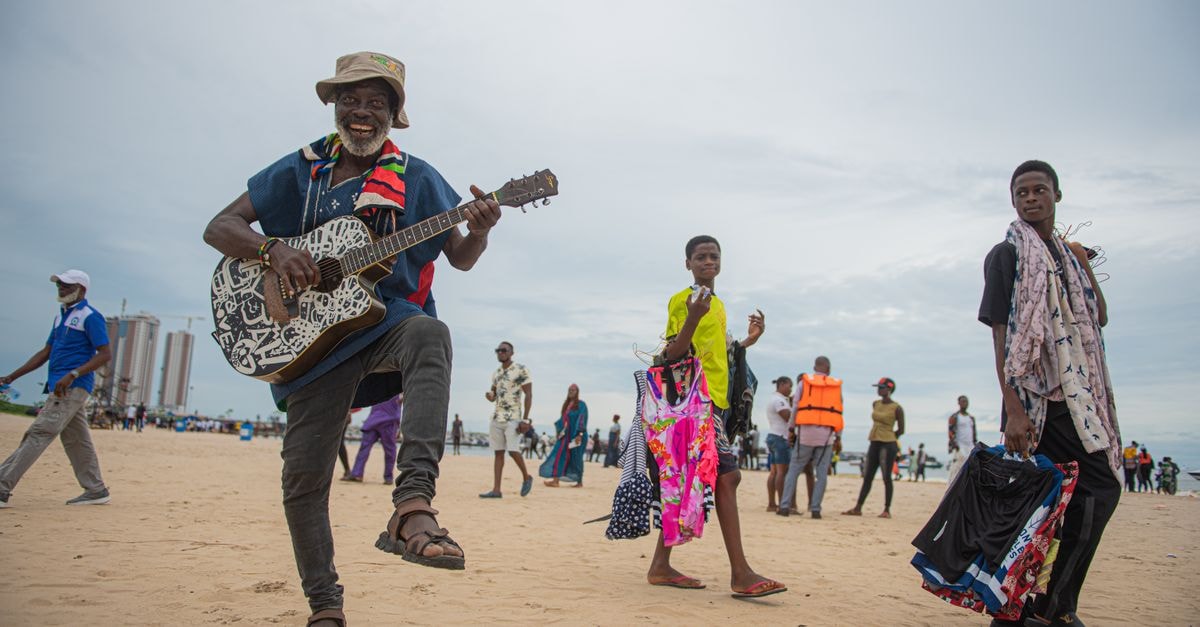
Food in Boma tends to be grounded and unpretentious. Eating is generally inexpensive and focused on local produce rather than formal dining experiences, which means much of the culinary life happens in markets, street stalls, and small neighbourhood spots rather than in restaurants with printed menus.
The Marché central de Boma is a useful anchor point. It sits in the city centre and sells fish, produce, and everyday goods, so it doubles as both a practical shopping stop and a way to feel the everyday rhythm of the city. It is the kind of market where you can watch how locals actually shop, which often tells you more about a place than any guidebook entry.
- **Fufu (ugali)** is a foundational staple across the country, usually served with a sauce or stew and eaten by hand. It is simple, filling, and shows up almost everywhere. - **Plantain and palm oil flavours** run through much of the cooking, giving dishes a smoky, slightly sweet character that defines the regional palate. - **Indigenous ingredients and local variation** matter: Congolese cuisine varies widely across regions, so what you find in Boma will reflect both nationwide staples and local produce from the river and surrounding land.
Travellers who care more about street-level eating and market browsing than formal restaurant experiences are likely to enjoy Boma's food scene. Those who strongly prefer sit-down menus with English translations may find the experience more limited, and it helps to go into meals with an open mind and a willingness to point, ask, and taste.
Finding what fits your trip
Different travellers will want different things from a few days in Boma. A few tradeoffs worth considering:
- If you love **architectural detail, faded colonial buildings, and tracing history through place**, the heritage trail is the centrepiece of your visit, and you can build the rest of your days around it. - If you prefer **everyday street life, markets, and informal food experiences**, the central market and surrounding stalls will likely dominate your time, and the heritage trail becomes a slower, more occasional backdrop. - If you are the type who likes **pre-planned routes and structured days**, using itinerary tools to map out transport and stop order can save time, while still leaving room for spontaneous detours. - If you prefer **slow, unscripted wandering**, Boma's compact core and riverside setting reward that pace, and you may find that your best memories come from unplanned stops rather than the planned ones.
The key is matching how you actually like to travel with what Boma naturally offers, rather than trying to force it into a more fast-paced sightseeing model.
A short verification note
Practical details about Boma, including transport schedules, road conditions, market opening patterns, and accessibility of specific sites, can change over time. Because some of the available material about the city comes from itinerary aggregators and general country-level guides rather than dedicated local sources, it is worth double-checking current conditions through official channels, local contacts, or updated travel resources before you set out. Treat this guide as a starting framework for your trip rather than a final authority on any single detail.
Share this article
TOOLS FOR THIS PLAN
Make the Boma plan measurable
Choose a tool only when it answers the next question in your trip. Your values stay in the browser, and each tool offers a route back to this planning context.