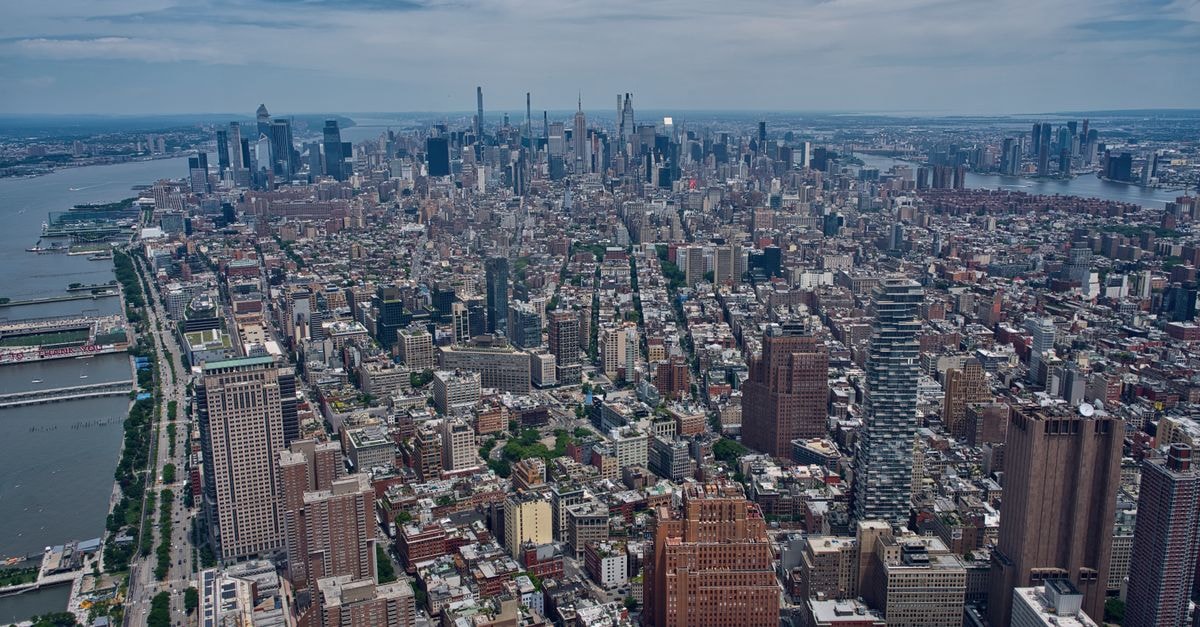
Boston at a Glance

This guide therefore serves readers who want durable context before visiting Boston rather than a checklist of unsupported places or claims. Its purpose is to help you identify the two areas that the evidence can support—weather-related awareness and broader food culture—while leaving changeable details to official or current information.
Weather and Seasonal Context
The available Boston attraction information is presented as a general resource for things to do in Boston, but it does not include a factual weather forecast, historical temperature figures, precipitation averages, or a description of conditions during any particular season. As a result, there is no responsible basis here for claiming that Boston will be warm, cold, wet, dry, clear, or unsettled at a given time.
A practical approach is to treat weather as a planning variable that may affect how you organize a day, without turning an assumption into a guarantee. If rain or difficult conditions are present during your visit, outdoor plans may need to be adjusted; if conditions are pleasant, that can make walking and outdoor exploration more comfortable. Those are general considerations rather than predictions about Boston’s weather. The approved material does not support a specific packing list, a season-specific itinerary, or an assertion about the best time to visit.
It is also important not to mistake the existence of a general Boston attractions page for a live confirmation of weather or operating conditions. The page is not a weather authority, and its title does not provide seasonal data. Travelers should check official local weather information and current attraction information before making plans. This keeps the guide useful while respecting the distinction between durable context and facts that can change.
A Wider View of American Food
The approved food source offers nationwide United States context rather than Boston-specific culinary evidence. It describes traditional American food as a melting pot of flavors that reflects the nation’s diverse cultural heritage and regional specialties. That framing is useful for visitors because it places dining within a broad cultural picture without pretending to identify a single, universally shared American menu.
The source also characterizes United States cuisine through a tapestry of flavors and refers to popular dishes that contribute to American food culture. These descriptions can help frame the variety a visitor may encounter, but they do not name a dish as a Boston specialty, verify its availability in a particular venue, or provide prices, opening hours, or reservation guidance. Any city-specific culinary recommendation would therefore go beyond the evidence.
For a grounded Boston visit, use this nationwide context as a lens rather than a promise. It can make you more attentive to the diversity of food traditions reflected in American dining, while keeping the focus on what you can actually confirm during your trip. If you are choosing where to eat, current menus, venue information, and official local listings are more reliable than a general claim about American cuisine. The same caution applies to regional specialties: the source acknowledges regional variety, but it does not establish which regional foods are specifically associated with Boston.
This distinction is especially helpful for travelers who want a thoughtful food experience without relying on unsupported assumptions. A city can have a much broader food culture than any one summary captures, but a responsible guide should not fill that gap with invented restaurants, named dishes, or claims about what is “traditional” locally. The supported point is simpler and more durable: United States food culture is presented as diverse and regionally varied, and that wider context may be encountered while visiting Boston.
Planning with the Evidence in Mind
A good Boston plan begins by separating durable context from details that require confirmation. The city is identified in the source as a destination with a general attractions resource, while the food material speaks to the United States as a whole. Neither source supports a complete list of Boston attractions, a guaranteed route, a transport schedule, a ticket price, or a restaurant recommendation.
Before your visit, check official weather information and current attraction or venue channels for conditions that may affect your plans. This is not because the available sources provide negative information about Boston; it is because weather, availability, and operating details are changeable and are not documented in the approved evidence. A concise plan can remain flexible: identify the experiences you are most interested in, verify their current status, and then decide how weather and timing may shape the day.
The same principle applies to food. The nationwide description of American cuisine is enough to offer cultural context, but it is not a substitute for checking current menus or local information. If a particular dish, restaurant, or dining experience matters to you, confirm it independently rather than assuming it is a Boston specialty or that it is available.
The result is a deliberately measured Boston travel guide. It gives readers useful orientation around weather awareness and the broader American food context while avoiding unsupported specifics. That approach is especially valuable when planning a trip: it encourages curiosity without presenting assumptions as facts.
Final Verification Note
Weather conditions, attraction availability, food offerings, and other travel details can change. Check official local weather information and current official channels for any attraction, venue, or service you plan to use before departure.
Share this article
TOOLS FOR THIS PLAN
Make the Boston plan measurable
Choose a tool only when it answers the next question in your trip. Your values stay in the browser, and each tool offers a route back to this planning context.