Why Brahmapur rewards a slow, curious visit

This guide keeps the focus tight. The approved evidence base for the city is small and specific, so the goal here is to help you plan around what is genuinely useful: how the weather and seasons can shape a day on the ground, how safe the city tends to feel for visitors, and how the transport picture actually works for someone arriving without a car. Anything beyond those anchors has been deliberately left out, because a confident claim is worth far more than a padded paragraph.
You will notice there is no list of restaurants, no crowd-counted monuments and no pulled-from-thin-air day trip. Where the evidence is thin, the guide simply stops. A short verification note at the end covers the few details you may want to confirm before you lock in your plans.
Weather and seasonal context
The wider region has a strong cultural layer that visitors tend to encounter in passing rather than as a planned stop. Mahurikalua, a temple dedicated to Goddess Mahuri Kalua and located along the highway connecting Berhampur with western Odisha, sits along a route many travellers pass through while moving in and out of the city. It is a useful landmark to be aware of because it can colour the drive west, especially if you enjoy stopping at roadside shrines rather than treating the highway as pure transit.
On the safety side, Brahmapur is generally considered a safe place for travellers, which is reassuring for visitors who are arriving independently rather than as part of a guided group. That said, general awareness still applies: keep an eye on belongings in busy market stretches, confirm auto and cab fares before setting off, and use the same street sense you would in any medium-sized Indian city. Treat the broad sense of safety as a baseline rather than a guarantee, and check current advisories from your home country before you fly.
Getting around
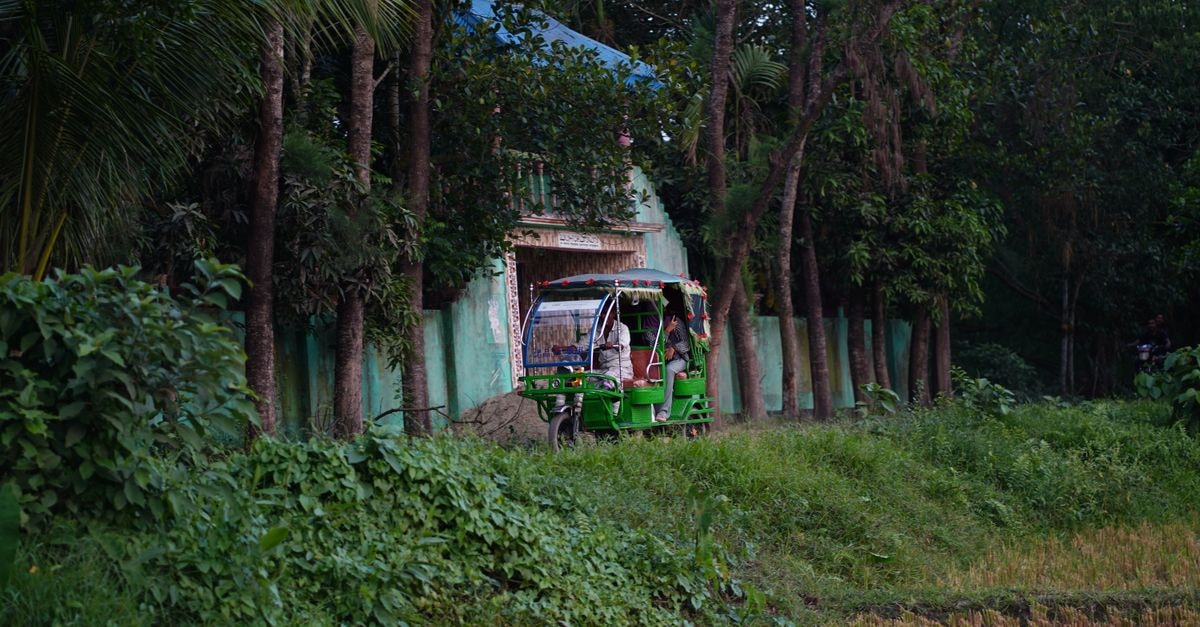
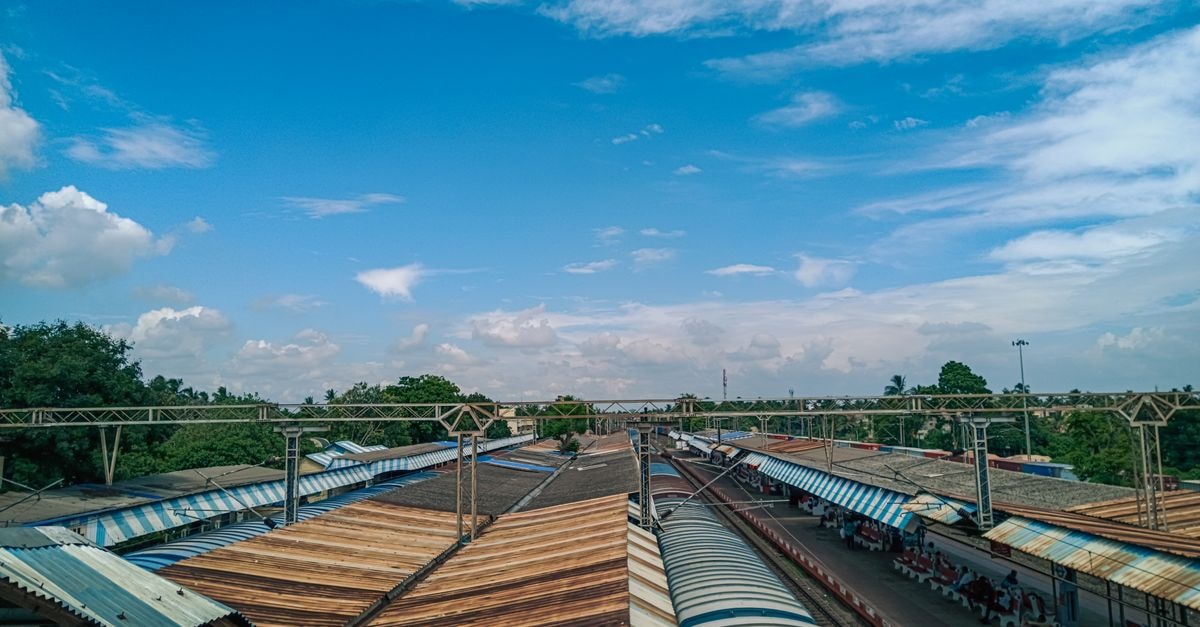
For travellers who prefer not to drive themselves, autos and local cabs are the practical option. Confirm the fare or insist on the meter before you set off, and ask your hotel for a sense of current rates, since these can shift quietly over the year. The centre of Brahmapur is walkable for short excursions, and the road network is there to fill the rest. Berhampur Railway Station is the main rail hub for the town, with express and passenger trains linking it to Bhubaneswar, Visakhapatnam, Chennai and Kolkata at typical fares in the range of ₹50 to ₹800, so rail is a practical choice if you prefer not to rely on road transport for longer moves.
A practical approach rather than a generic stop
Brahmapur benefits from being approached as a practical plan rather than a generic stop. The evidence available for this guide is more about texture and conditions than about a long roster of sights, so setting realistic expectations is part of enjoying the trip.
A few things worth checking before you go
Conditions on the ground shift faster than any guide can keep up with, and a small amount of pre-trip verification goes a long way. Before you travel, it is worth confirming the current train timetable from Berhampur Railway Station for your specific travel date, since schedules and seat availability change. It also helps to check the latest weather forecast for the week of your visit, because monsoon patterns in this part of Odisha can swing from bright mornings to heavy showers within a day. Finally, skim your home government's current travel advisory for India so you are working with up-to-date guidance rather than older notes. Factual travel conditions can change, and official channels should be checked before departure.
Share this article
TOOLS FOR THIS PLAN
Make the Brahmapur plan measurable
Choose a tool only when it answers the next question in your trip. Your values stay in the browser, and each tool offers a route back to this planning context.