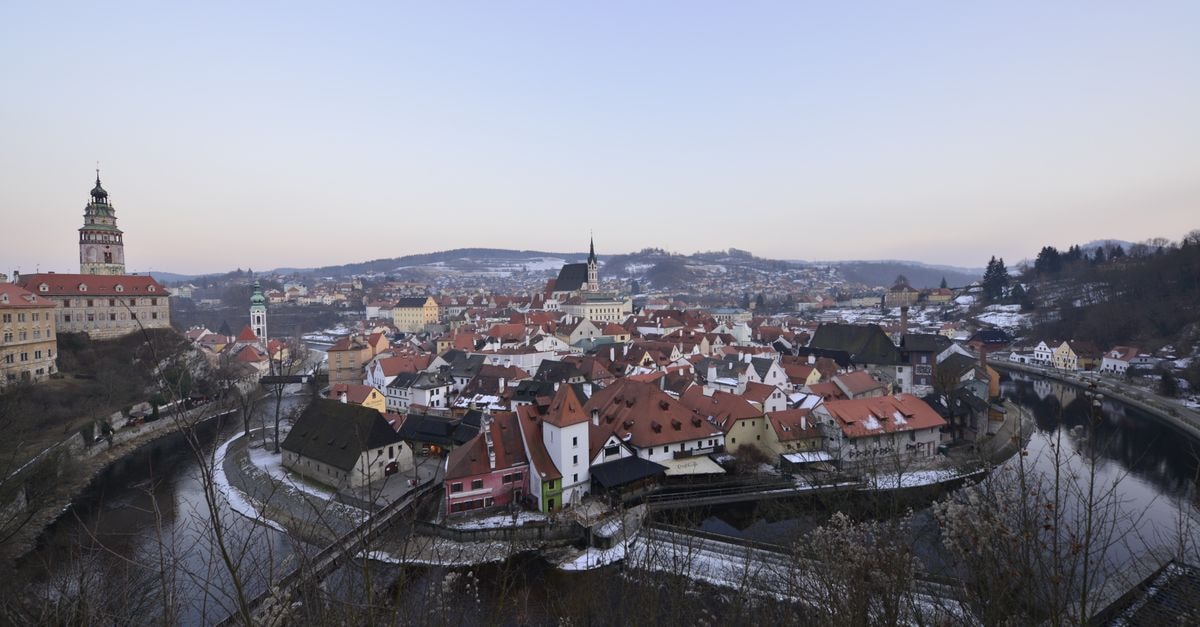
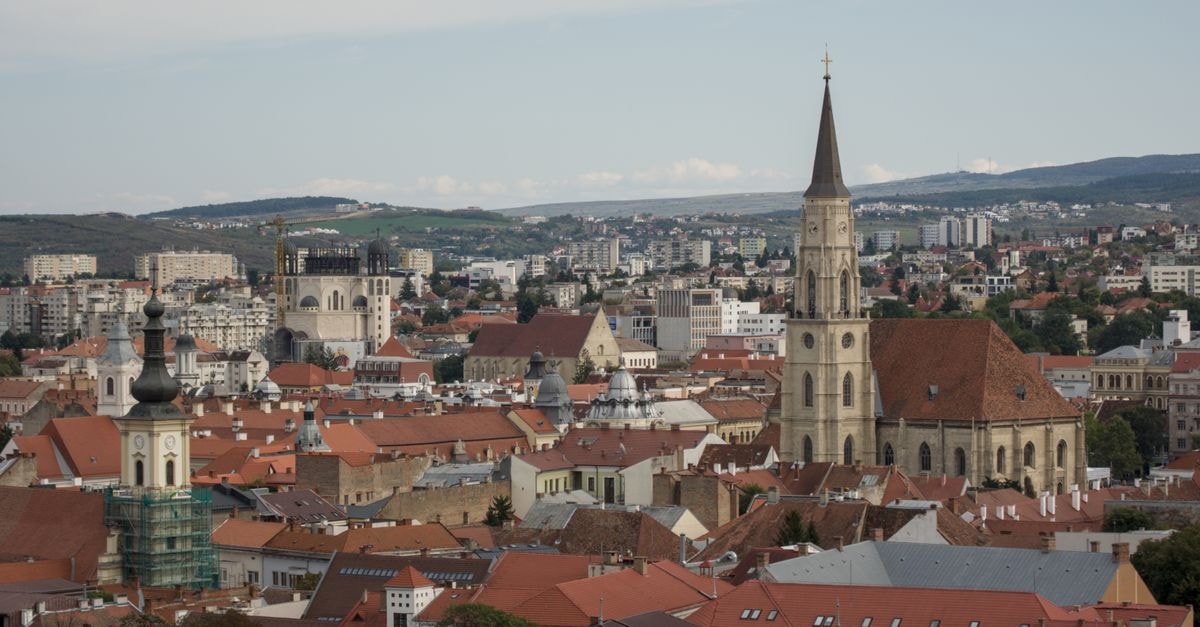
A compact capital worth slowing down in

Bratislava has a way of catching visitors off guard, in the best possible way. The city sits along the Danube with a skyline built around four iconic castle towers, and almost everything memorable is walkable from the Old Town. You don't need a packed itinerary to get a feel for it. A couple of full days is usually enough to wander cobbled streets, climb up to the castle for the view, eat slowly, and still have space left over for a quiet coffee by the river. This Bratislava travel guide is built around what you can actually plan around: a continental climate with clearly different seasons, a compact public transport network, a small but storied set of must-see sights, and a food culture that rewards curiosity.
Weather and seasonal context
Bratislava sits squarely in a continental climate that gives four distinct, legible seasons instead of the blurrier transitions you find further west in Europe. That means a summer visit can feel genuinely warm, with high temperatures around 27°C (82°F) and lows near 15°C (60°F), and rainfall in the neighbourhood of 61mm across the month. Crowds on the main sightseeing routes are typically thickest in the first half of the season and tend to ease in the final two weeks, which can shape how you pace your mornings. Bring layers for the evenings regardless of the forecast, and consider planning the most active outdoor hours, including the castle climb, for earlier in the day when temperatures are gentler and the light is softer over the Danube.
Getting around
The city is small enough that walking covers most of the central experiences, but the public transport network is useful when you want to save energy or reach the outer neighbourhoods. The tram and bus system, run by DPB, is the backbone of city travel, and the official DPB Bratislava app is worth downloading before you arrive for real-time tram and bus positions and ticket purchase. The national idos. connection planner is a useful companion for combining city and longer-distance routes on a single screen. After midnight, night buses operate in Bratislava at roughly one-hour intervals, which gives late dinners and riverside evenings a comfortable safety net.
If you plan to move around frequently, the Bratislava City Card covers unlimited public transport plus discounts at main sights, and tends to suit visitors who want a turnkey way to combine transport and admission savings without juggling individual tickets. Cards, ticket types, and covered attractions are best confirmed on the day of travel, as bundled offers can change between seasons.
Attractions and planning
A first visit naturally gravitates toward the Old Town, but Bratislava's most concentrated set of experiences is broader than a single square. The list of top draws in the city is famously compact, and the official city tourism roundup is honest about the fact that no visit feels complete without taking in the headline attractions. At the top of that list sits Bratislava Castle, the former seat of Slovak rulers and today the visual symbol of the city, also home to the Museum of History. From its terrace you can trace the curve of the Danube, spot the bridges crossing into Austria, and on a clear day glimpse the edge of Hungary to the south.
Because the central sights cluster closely, you can design a generous morning around the castle and a slow afternoon in the Old Town, then still have daylight left for the riverside. The compact scale is part of the city's charm: you don't need to optimize the route, because the city has already done it for you. If you have an extra half day, drifting into the neighbourhoods just outside the historic core, where cafés and local life take over, is often the most rewarding use of unhurried time.
Food and local context
Bratislava's food scene ambles up to meet you, full of comfort and tradition. The classic dishes are hearty, rib-sticking plates built around potatoes, sheep cheese, and slow-braised meats, the kind of food that suits a cooler evening or a long day of walking. Two dishes tend to anchor a first visit. Bryndzové halušky, small potato dumplings tossed with sheep's cheese and topped with crispy bacon, is widely considered the national dish and a reliable benchmark for Slovak cooking in the capital. For something lighter, lokše are thin potato flatbreads that can be served savory, and they tend to appear in casual settings rather than formal restaurants.
A practical note for curious eaters: several traditional restaurants in the city centre position themselves around authentic, home-style Slovak cooking in a cozy setting, and they are a sensible first stop if you want a single, dependable introduction to the classics. The broader Slovak table also shows up in cafés and market stalls, so even a short stay tends to surface familiar flavors in new forms. For anything specific, including opening hours, seasonal menus, and reservations, it's worth checking the venue directly before you go, as these details shift through the year.
Planning notes and what to verify before you go
A few practical reminders help a Bratislava trip run smoothly. Public transport tickets and the City Card are typically available through the DPB app and at staffed points across the network, but the exact inclusions and pricing change periodically, so confirm on arrival rather than relying on older guides. Weather can shift quickly thanks to the continental climate, and a light jacket or umbrella tends to earn its space even in warmer months. The Old Town is at its most relaxed in the early morning and after dinner, while midday brings the densest crowds around the main squares.
Bratislava rewards travelers who come with a loose plan rather than a tight script. The castle, a slow meal, a wander along the Danube, and a tram ride through quieter neighbourhoods are usually enough to leave with a strong sense of the place.
_Factual travel conditions, including weather, transport schedules, and attraction details, can change. Always check official channels and current listings before departure._
Share this article
TOOLS FOR THIS PLAN
Make the Bratislava plan measurable
Choose a tool only when it answers the next question in your trip. Your values stay in the browser, and each tool offers a route back to this planning context.