Overview

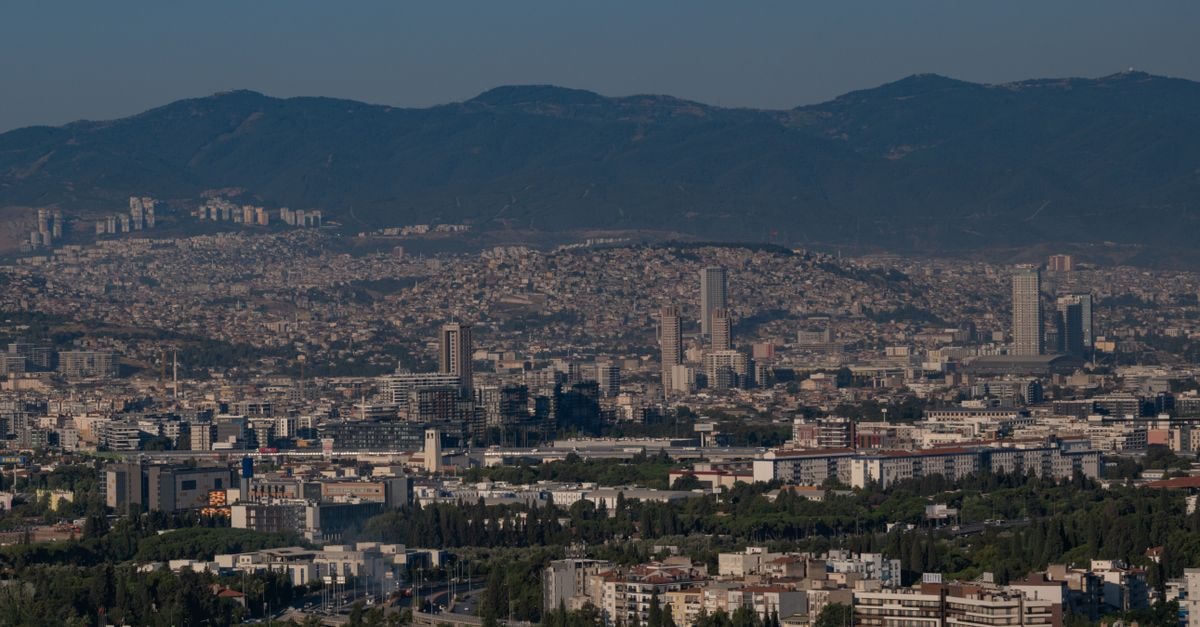
Brno is the Czech Republic's second-largest city, with roughly 400,000 people and the natural capital of South Moravia. Set at the confluence of the Svratka and Svitava rivers and framed by green hills on three sides, it pairs a compact, walkable historic core with the buzz of 26 universities and colleges. The city is the seat of the Czech Constitutional and Supreme Courts, and it connects to the world through Brno International Airport. For July visitors, the draw is the outdoor festival calendar, UNESCO-listed architecture, and easy access to South Moravian wine country.
July Weather and Heat
July is Brno's hottest and most reliably dry month of the tourist season. Climate records from 1992 to 2021 show average July highs of 26°C and lows of 15°C, with a mean of about 20°C and roughly 64 mm of rain. The 2026 monthly forecast from AccuWeather tracks daily highs of 24–30°C and overnight lows of 12–18°C, with humidity around 65–70% and sunset close to 19:54. Expect warm afternoons, mild evenings, and slow, heavy bursts of rain rather than quick showers — guides put the rainy days in a typical July at around ten.
Heat waves are possible. The same AccuWeather page carried a Red Warning for Extreme High Temperature at the end of June 2026, with readings climbing to 39°C just before the month began. Plan for daytime highs that can push above 30°C in any given week, and carry a refillable bottle, light clothing, and sunscreen. Many historic buildings lack air conditioning, so older hotels and top-floor flats can feel stuffy once the thermometer climbs. A compact umbrella or light rain jacket is worth packing.
Getting Around Brno
Brno's public transport is run by DPMB and rolled into the South Moravian Integrated System (IDS JMK), which covers trams, buses, trolleybuses, regional trains, and even a few boats. A 15-minute ticket costs 20 CZK, a 60-minute ticket 25 CZK, and a 90-minute ticket 27 CZK. The simplest way to ride is the contactless "beep and go" system: tap a bank card or phone on the yellow reader when boarding and the system charges 25 CZK for the hour; tap on exit if your ride is under 15 minutes and you'll be charged only 20 CZK. Daily caps apply.
Tickets are also sold from yellow machines at most stops, at newsagents, and via apps such as PID Lítačka. Tram 1 loops past Špilberk Castle, the cathedral, and the main square; Tram 4 climbs toward the Vinohrady wine terraces to the north. The Brno Reservoir, a 10 km long artificial lake about 20 minutes north by tram, is a popular summer escape with water temperatures around 24°C in July and beach bars. Airport arrivals will find the Airport Express bus a cheaper and faster option than taxis, which tend to quote premium rates.
A few practical notes: night buses run only hourly after 23:00, so plan a Bolt or taxi if you are bar-hopping late. Cycles can be rented from Nextbike and Rekola, and the city has been expanding bike lanes through pedestrian zones. If you drive, the city centre is divided into zones A, B, and C; Zone A is closed to visitors without a permit, and Zone B charges 30 CZK per additional hour after the first free 60 minutes on business days.
Things to Do and July Events
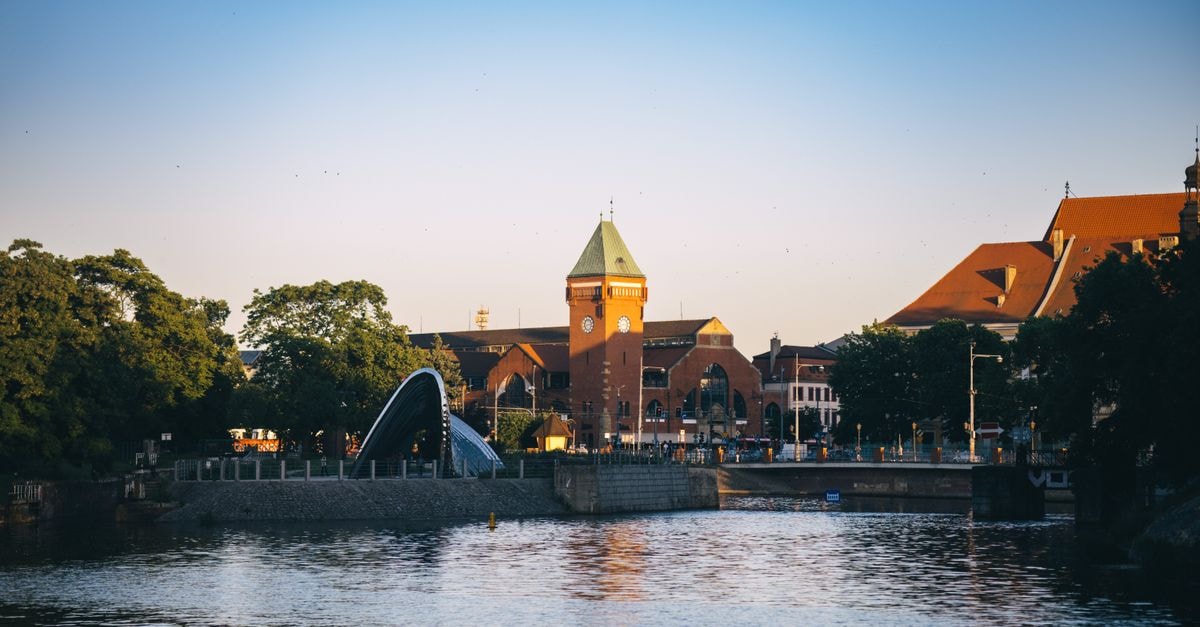
The historic centre is compact and walkable, so most sights can be packed into a long weekend. The headline draw is Villa Tugendhat, Mies van der Rohe's 1929 functionalist villa and a UNESCO World Heritage Site; tickets in July are released closer to the date than in higher-demand capitals, but advance booking is still strongly advised. Above the city, Špilberk Castle offers ramparts and city views, and its courtyard becomes Brno's open-air theatre in summer. The Cathedral of St Peter and Paul sits on Petrov hill, while the Old Town Hall and the Parnas Fountain anchor the centre around Freedom Square (Náměstí Svobody) and the Cabbage Market (Zelný trh).
For something off the beaten track, the 10-Z Bunker — a converted nuclear shelter — runs tours and skip-the-line tickets from around $12. The Brno Underground beneath Zelný trh runs English tours roughly every two hours. Cultural stops include the Moravian Gallery, the Moravian Museum, the Mendel Museum, the Janáček Theatre, and the Technical Museum. Kids and curious adults tend to enjoy the Brno Observatory and Planetarium.
July is festival month. In the castle courtyard, the stone setting of Špilberk echoes with Shakespeare, a tradition of blankets on grass and wine in the night air. The Organ Festival runs from 29 May to 7 July 2026, finishing just before peak summer. The motorcycle exhibition "Motocykl v proměnách času" runs at the Technical Museum from 15 May to 29 December 2026. Expect grilled klobása smoke above Freedom Square and Moravské náměstí, late nights, and an easy rhythm of jazz, electronic, and theatre spilling into the streets.
Where to Stay by Neighborhood
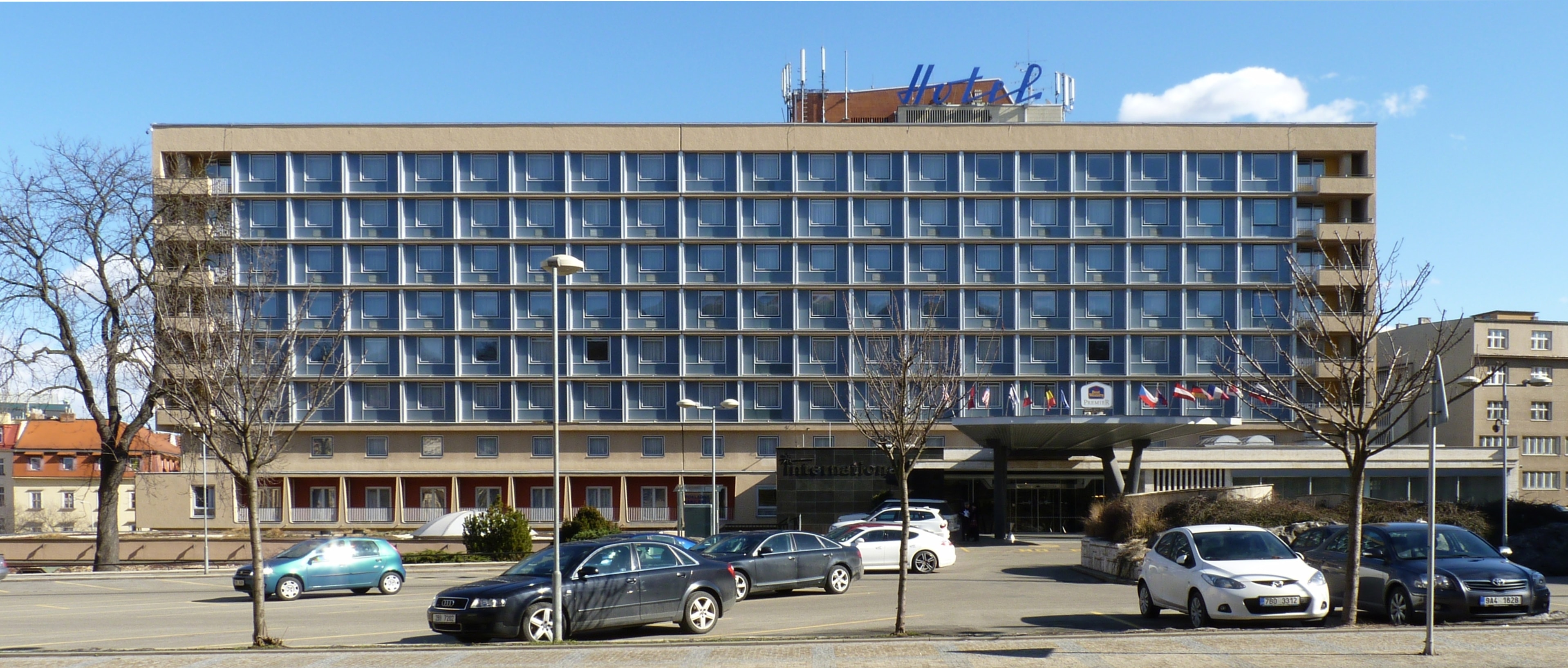
Most of Brno's hotels cluster around the Old Town and the main station. The Old Town (Centrum) is the right base for first-timers and sightseers: budget rooms start around $40, mid-range around $86, and upscale around $184 per night, with walkable access to Petrov Cathedral, Špilberk, and the Cabbage Market. Veveří, the university district north of the centre, is lighter on sights but heavier on student energy, budget eats, and a calmer residential feel — rooms start around $29 for budget, $63 for mid-range, and $126 for higher-end. The area around Brno hlavní nádraží (main station) is the practical choice for rail travellers and day-trippers, with budget rates from $29 and mid-range from $63.
July is peak season, so expect prices at the upper end of those ranges and book well ahead for quality hotels. The same source warns that accommodation prices in Brno run higher Monday through Thursday because of business demand, so weekend stays can be a small saving. The immediate station area has some rough edges after dark; stick to the main streets and you'll be fine.
Money, Tipping, and Daily Costs
Brno trades in Czech koruna (CZK), not euros. ATMs labeled "Bankomat" offer better rates than Euronet machines, and most pubs still prefer cash — though supermarkets, hotels, and larger restaurants accept cards. Tipping around 10% is standard; in cafés, rounding up to the nearest 10 CZK is the polite norm. Splitting the bill is common, so don't be surprised if the table asks "zvlášť" (separately).
Exchange rates move constantly, so the figures given here are only a reference. Use the live rate before changing money, and prefer card withdrawals at a Czech bank ATM over airport currency exchanges.
What to Eat in Brno
Brno sits at the heart of Moravia, and the food scene is reason alone to visit. Classic Czech dishes are everywhere: svíčková (marinated beef sirloin with creamy vegetable sauce and bread dumplings), vepřo knedlo zelo (roasted pork with dumplings and stewed cabbage), and thicker Czech goulash served with bread dumplings rather than potatoes. Moravian specialities include Moravský vrabec — roasted pork shoulder marinated in dark beer and caraway, despite the misleading name — and Brněnský závitky, thin slices of beef rolled around pickle, bacon, and egg, then braised and served with horseradish cream.
Pub snacks are central to the experience. Špekáčky are short, coarsely ground sausages that snap when grilled, often served with sharp horseradish. Nakládaný hermelín — marinated cheese with garlic, chilli, onions, and oil — is a Brno classic at any beer hall. Brynzové halušky (potato dumplings with sheep's-milk bryndza cheese and bacon) point to Slovakia but show up on many Brno menus. On the sweet side, koláče (yeast pastries filled with poppy seed, fruit jam, or sweet cheese) and buchty (jam-filled steamed buns) are everyday staples.
The Cabbage Market (Zelný trh) is the place to see Moravian produce in July: tomatoes, peppers, and the first Pálava apricots pile high on the stalls. The wine scene is just as important — Moravian whites from the nearby Lednice–Valtice and Mikulov regions are excellent value, and many pubs pour local wine by the glass. Lunch is the main meal of the day, and most restaurants serve hearty portions at honest prices.
Safety and Practical Tips
Brno is generally very safe in the central districts. Standard city precautions apply: watch your belongings around the main train station, especially late at night, and stick to well-lit main streets in the immediate station area after dark. The Old Town and the university district are lively at night and comfortable for evening walks. Tap water is safe, pharmacies are well-stocked, and emergency services use the standard European 112 number.
Many smaller pubs and historic restaurants still operate on cash only, so keep a small CZK reserve on hand. English is widely spoken in the centre but fades quickly once you leave it, so a translation app is handy for menus and trams outside the inner city. Finally, treat all prices, opening hours, and festival listings as snapshots: programs change, and an official source should be checked before departure.
Share this article
TOOLS FOR THIS PLAN
Make the Brno plan measurable
Choose a tool only when it answers the next question in your trip. Your values stay in the browser, and each tool offers a route back to this planning context.