Setting the scene in Bryansk
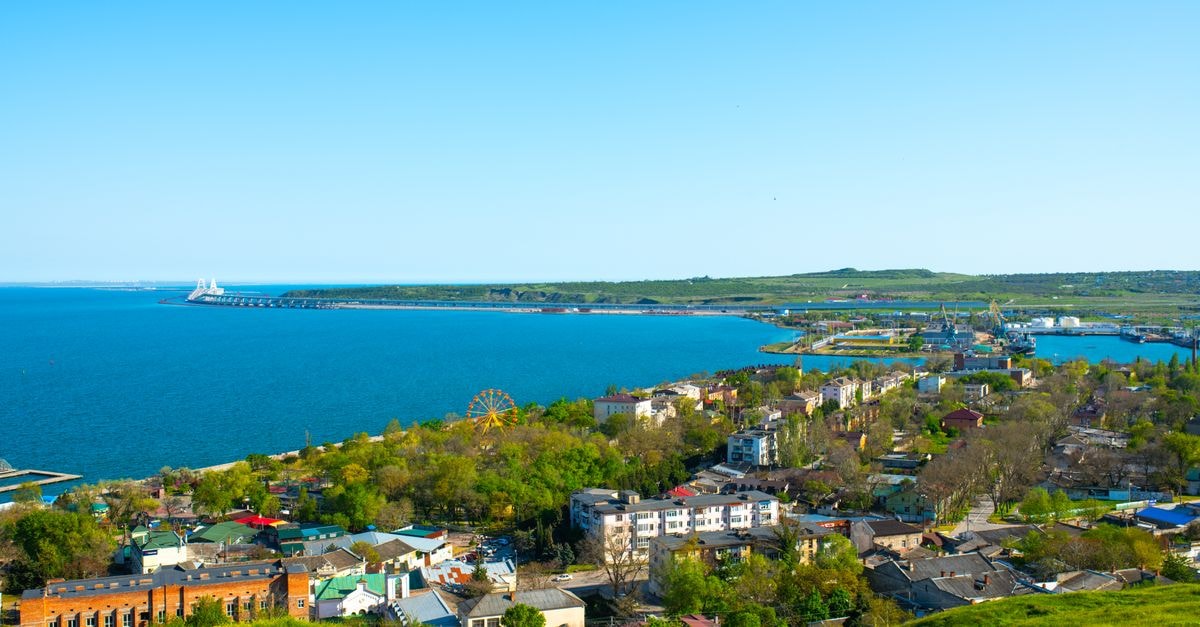
Bryansk sits quietly along the upper reaches of the Desna River, a working regional capital surrounded by the rolling forests for which western Russia is known. The city has the unhurried feel of a place built around its riverbanks and its long main avenues, where daily life moves at the pace of trams, buses and the changing colors of the birch trees. Travelers who arrive here tend to be passing through, but those who pause find a compact urban core that is easy to read on foot once you understand the transport pattern. This guide keeps its focus narrow and useful: the climate you can expect, and the practical way the city moves so you can plan your days without friction.
Weather and seasonal context
Bryansk has a continental climate that sits at the meeting point of four seasons, and the rhythm of the year matters more here than in many larger Russian cities. Long-term climate data describes the city at roughly 152 meters above sea level, with a documented average wind speed of about 4 km/h and a notably high average humidity around 95% (F1-1). That humidity figure is one of the more useful numbers for a traveler to carry in their head: even on calmer days, the air can feel heavier than the thermometer suggests, and layered clothing tends to serve visitors better than a single heavy coat.
The clearest seasonal framing comes from a tourism-score view of the year, which identifies mid-June through late August as the warm-weather window when outdoor sightseeing, parks and long walks are most pleasant (F2-1, F2-2). Outside that window, the climate still rewards visitors who like quieter streets and a slower pace, but you can expect cooler days, shorter daylight and that characteristic dampness. Because humidity runs high on average, mornings can feel crisp while midday stays soft, and lightweight layers that breathe well tend to work better than sealed rain shells for the kind of light, misty conditions that are typical. If you prefer warm-weather activities specifically, plan around the mid-summer window; if you prefer a quieter city experience and don't mind cooler air, the shoulder months can feel calmer and easier to walk through.
For readers who are sensitive to dampness or who plan long outdoor days, the underlying climate data is a fair signal to pace activities around the middle of the day when temperatures are at their mildest, and to keep an indoor plan ready for mornings or evenings. None of this is a weather forecast, only the longer pattern the city is known for, so checking a current conditions source before you travel remains essential.
Getting around
Understanding the transport layout is the single most useful thing you can do before stepping out of your hotel in Bryansk, because the city reads cleanly once you anchor yourself to a few key points. Two hubs structure almost every journey: the main square and the main railway station (F4-2).
The primary railway station is Bryansk-1-Orlovsky, and it sits on the far side of the Desna River from the city center, which is worth knowing before you arrive because it shapes how you plan your first and last transfers (F3-1). The bus station, by contrast, is placed much more conveniently for walking tourists, sitting close to the main avenue, Prospekt Lenina, and only around 500 meters from Ploschad Partizan (F3-2). That single detail can save you a taxi fare on arrival: if you are coming in by long-distance bus, you can realistically walk into the central area rather than arranging onward transport.
Within the city itself, the public transport network is built around bus and trolleybus routes, which together cover most of Bryansk (F4-1). This is a practical city to navigate without a car, especially if your base is near the central axis. Because the network runs from those two hubs outward (F4-2), choosing accommodation within walking distance of the main square or along a trolleybus corridor will generally put most of what you need within a short ride. If you arrive at the railway station and your hotel is across the river, allow a little extra time for the crossing; if you arrive at the bus station, the walk into the center is short and straightforward.
For travelers who prefer not to rely on timetables or who are carrying luggage, taxis remain a flexible backup, but the public transport coverage described above means they are rarely essential for a short stay. If you have mobility considerations, the hubs-and-spokes pattern is worth thinking about in advance: anchoring yourself close to the central square keeps the network within easier reach, and the short distance between the bus station and Ploschad Partizan means fewer curb-to-curb transitions on arrival day.
Choosing what fits the trip
Two tradeoffs shape how a stay in Bryansk tends to feel, and both are worth weighing honestly before you book. The first is seasonal: the documented warm-weather window is mid-June to late August, so visitors who care most about long outdoor days and riverfront walking should center their trip there, while those who prefer quieter streets and don't mind cooler, damper air often find the shoulder months easier in terms of pace. The second is logistical: because Bryansk-1-Orlovsky station is on the opposite bank of the Desna from the center, while the bus station is essentially in town near Prospekt Lenina, the choice of arrival mode can materially change how easy your first hour feels. Travelers who value a simple, walkable arrival may prefer the bus station, while those arriving by rail should plan a short onward transfer across the river rather than expecting to step straight into the central area.
A note before you go
The figures used here describe longer-term climate patterns and the general layout of the transport network; they are not live conditions or current timetables. Weather, schedules, routes and station details can change, so confirm anything time-sensitive through official transport channels and a current forecast before you travel. Currency, payment habits and service availability are likewise subject to change and worth verifying on the ground.
**Quick verification:** Before you travel, check the current weather forecast for your specific travel dates and confirm the operating pattern of buses and trolleybuses from the central square, since timetables and seasonal schedules may differ from the general network coverage described above.
Prices, opening hours, schedules, reservation rules, and local conditions can change; verify them through official channels before departure.
Share this article
TOOLS FOR THIS PLAN
Make the Bryansk plan measurable
Choose a tool only when it answers the next question in your trip. Your values stay in the browser, and each tool offers a route back to this planning context.