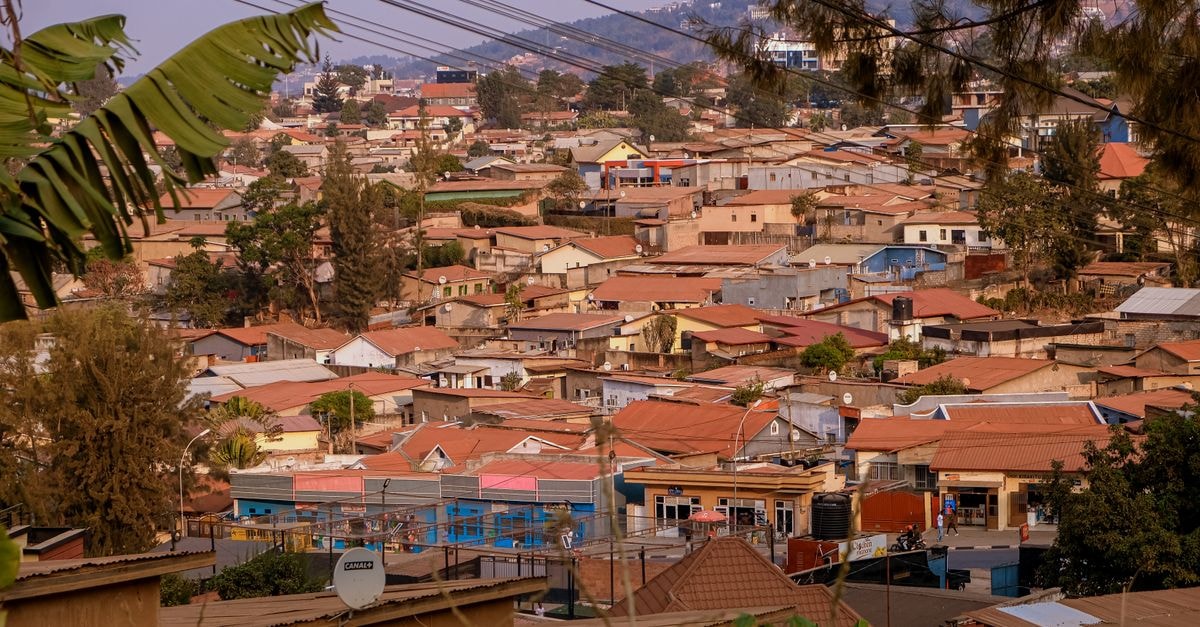
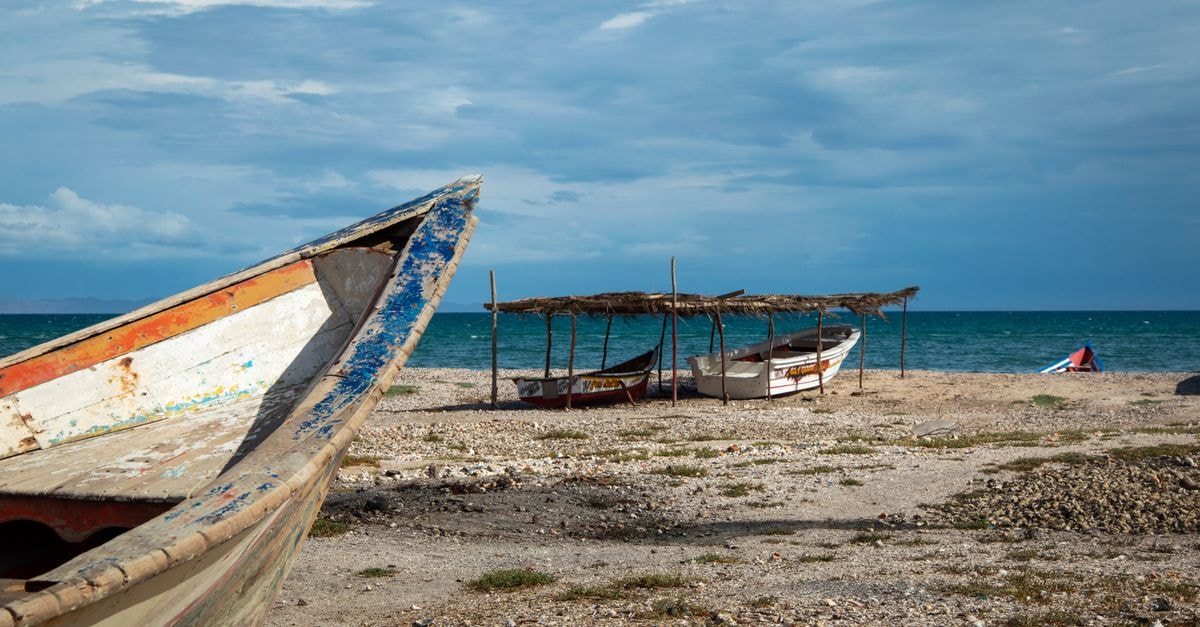
A quiet provincial town wrapped in green

Bubanza sits in the rolling landscape of western Burundi, a small provincial capital where the pace slows and the scenery leans heavily into agriculture. Travelers who like unhurried places — the kind where a walk down the main road is its own small event — may find this corner of the Imbo plain particularly appealing. The area is known for its tea plantations, its thermal springs, and a stretch of rugged highland terrain that gives the region its visual texture. If your travel style leans toward scenery, soft adventure, and conversations with people who actually live in the place you are visiting, Bubanza fits that mood.
This guide is built for independent travelers planning a stop in the area. It focuses on the things the evidence actually supports: how the climate feels, and how group transport works once you are in town.
Weather and seasonal context
Bubanza's position on the Imbo plain and at the foot of the highlands shapes its climate in ways you can feel on the ground. Temperatures tend to be warm and fairly steady through the year, with rainfall following the broader regional pattern that brings wetter months and drier stretches in turn. The town sits low enough that daytime heat can linger, while the surrounding tea country and ridges catch more cloud and mist, especially after rain. Photographers tend to find the interplay of low light, green tea rows, and distant highland ridges rewarding when visibility opens up; it is the kind of landscape that rewards patience over a packed schedule.
Because Bubanza is a small provincial center, the rhythm of the day tends to follow agricultural work and market hours rather than a tourist timetable. Mornings can be lively with movement toward the fields and trading points, while afternoons sometimes feel quieter. Travelers who prefer a slower pace may suit themselves well here by rising early, taking a long midday break, and using the cooler late-afternoon window for any walks into the surrounding tea country or toward viewpoints above the plain.
The local character reinforces that unhurried tone. Its modest population makes it a welcoming destination for visitors seeking an authentic glimpse of rural Burundian life, which is part of why visitors who enjoy small-town atmosphere often describe their time in Bubanza as genuinely relaxed rather than touristy.
Getting around
Bubanza is an agricultural provincial town in western Burundi's Imbo plain, and local transport reflects that. Group transport is the practical default: bus rental and minibus hire are arranged through operators such as Global Bus Rental, which serves the area for groups traveling together. For independent visitors, this kind of shared minibus arrangement is usually the simplest way to move between the provincial center, neighboring tea-growing zones, and the broader road network.
A few practical notes worth keeping in mind:
- Plan movement around the day's first and last departures rather than expecting frequent service. - If you are traveling as a small group, arranging a minibus in advance is often more reliable than relying on ad hoc rides. - Roads in this part of the Imbo plain are functional but not built for fast travel, so build extra time into any plan involving tea plantations or highland viewpoints. - Confirm current schedules and prices locally before committing, as service patterns can change.
Travelers who enjoy the texture of regional road trips — the markets along the way, the changing scenery from plain to highland — may suit themselves well here. Visitors who need very tight, time-controlled logistics may want to reconsider, since group transport in a small provincial town rarely runs on a clock-precision schedule.
Choosing what fits the trip
Bubanza is not a checklist destination; it is a place that rewards a particular kind of traveler. If your interest is in tea country scenery, thermal springs, and the highland edge of the Imbo plain, and you are comfortable with small-town rhythms and group transport, the town offers a genuine slice of rural Burundi that is hard to find in larger centers. If you are drawn to landscape photography, the visibility patterns around tea plantations and rugged ridges can deliver quiet, layered compositions, especially when the light is soft. Travelers who prefer urban amenities, dense sightseeing schedules, or frequent independent transport may find the pace too slow and the infrastructure too light. Going in with modest expectations, a flexible timetable, and a willingness to let the agricultural rhythm of the town set the day's tempo is usually the difference between a frustrating stop and a memorable one.
A note before you go
Factual travel conditions in Bubanza — transport schedules, prices, and local services — can change over time. Treat the details here as a starting point, confirm current arrangements with local operators or official channels, and check the live exchange rate before budgeting in any non-Burundian currency. With those checks in place, Bubanza can offer the kind of unhurried, scenic stop that is increasingly rare to find.
Share this article
TOOLS FOR THIS PLAN
Make the Bubanza plan measurable
Choose a tool only when it answers the next question in your trip. Your values stay in the browser, and each tool offers a route back to this planning context.