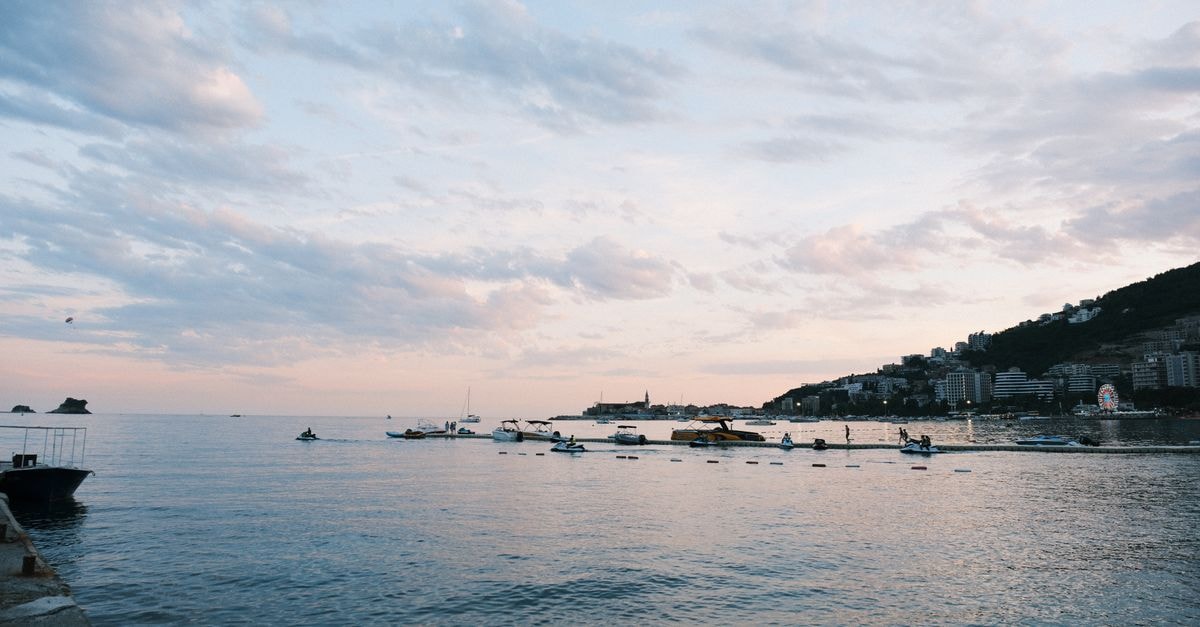
Budva at a glance: a little peninsula with a long memory

What makes Budva feel manageable for independent travelers is the contrast. The historic core is small and contemplative, while the coast outside the walls opens into a longer, more energetic rhythm. Spending a day here often means moving between those two moods rather than rushing through a checklist.
Getting around on foot, by taxi, and at an easier pace
Budva is the kind of place where walking is the default. The Old Town can be circled in roughly 45 to 60 minutes when the route is kept simple, and a more leisurely circuit that drifts into the small churches and museum spaces typically fills two to three hours. Early light tends to be the most flattering for photographs around the medieval walls and along the citadel area, so setting out in the soft morning hours rewards visitors who like to start before the day heats up.
That said, the city's own tourism guidance offers a practical caveat for any time the sun is at full strength: strolling in the hottest part of the day can feel punishing, so it is worth pacing the walk to cooler hours or building in shaded pauses. This is less about distance and more about comfort — the lanes are short, but Mediterranean stone and midday sun are an unforgiving combination.
The Old Town and the wider coastline
Inside the walls, the experience is less about ticking off landmarks and more about texture. The citadel, the small churches tucked into corners, and the views back toward the mainland all invite a slower pace. Outside the walls, the coastline unfurls, and Budva shifts into something looser and brighter. Travelers who like a clear daily plan might map the Old Town for the morning, keep the late afternoon for the waterfront, and leave the citadel's quieter corners for an early evening return when the light softens again.
The longevity of the site is worth pausing on. A walk through these lanes is, in a quiet way, a walk through more than three millennia of Adriatic history. The stones underfoot have absorbed Greek, Illyrian, and Roman layers, and the medieval walls that shape the peninsula today are only the most recent chapter of a much longer story.
Food and the flavors of the Adriatic table
Budva's food culture leans into the pleasures of a coastal table. Lunch can be unhurried and rustic — a charcuterie board eaten slowly in a shaded square — while dinner often drifts toward the waterfront, where a whole grilled fish feels almost inevitable. That rhythm from midday simplicity to evening indulgence is part of how the city is best enjoyed.
A gentle note on planning
Budva rewards travelers who plan less, not more. The peninsula is small, the food is straightforward, and the coastline does not need to be conquered. Pick a few anchors — the Old Town circuit, a single long lunch, a waterfront dinner, and one stretch of coast — and let the rest of the day fill itself in. That approach tends to match the city's own tempo, and it leaves room for the small surprises that make a Budva stay feel personal rather than rehearsed.
A final reminder: travel conditions, prices, and opening details can shift, so it is worth checking official local channels before and during your trip for the most current information.
> **Disclaimer:** Factual travel conditions can change. Verify prices, opening hours, and transport details with official local sources before departure.
Prices, opening hours, schedules, reservation rules, and local conditions can change; verify them through official channels before departure.
Share this article
TOOLS FOR THIS PLAN
Make the Budva plan measurable
Choose a tool only when it answers the next question in your trip. Your values stay in the browser, and each tool offers a route back to this planning context.