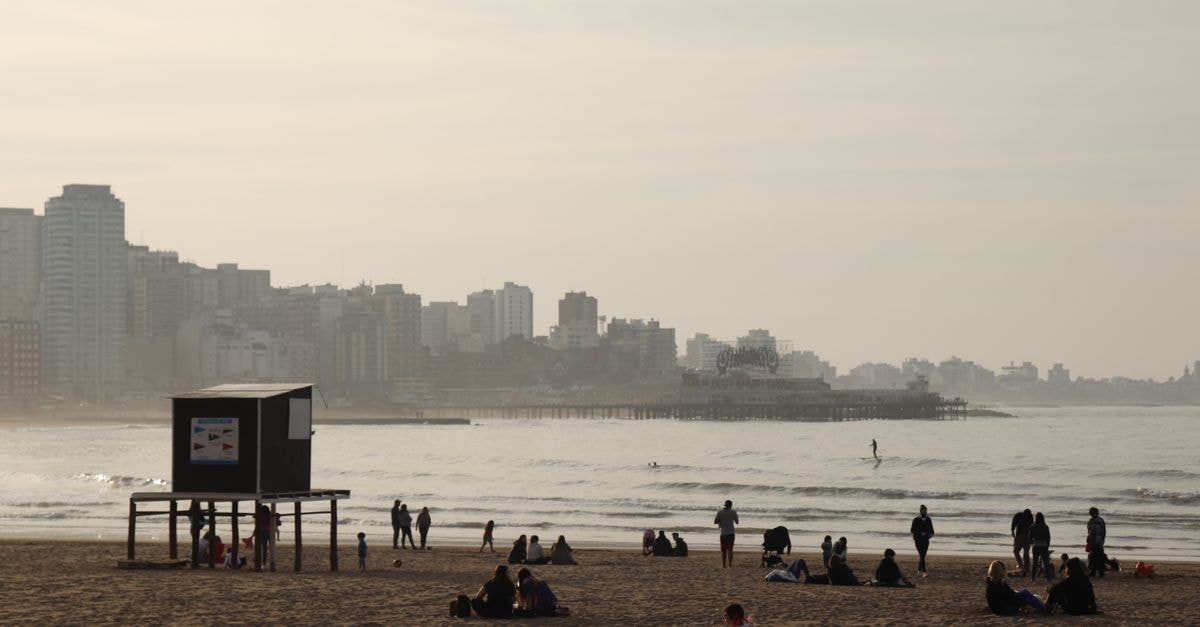
A Living, Layered Capital

Buenos Aires has the kind of personality that reveals itself slowly, in shared tables, quiet cafés, and long walks through leafy neighborhoods. For travelers planning an independent visit, the city tends to reward curiosity over checklist thinking. The rhythm here leans toward evening dinners, unhurried afternoons, and cultural stops that ask for more than a quick photo. This guide gathers what is reliably useful before you arrive: how the seasons tend to feel, where the city's heart beats culturally, how Argentine food shapes the daily experience, and how to move around once your feet hit the pavement.
It is written as a steady companion rather than a dated brochure, so the focus stays on what stays true across visits.
Weather and Seasonal Context
The city's weather is shaped by a recognizable climate pattern, and understanding it helps set expectations even before you check a forecast. Argentina's national weather service, SMN, is the authoritative reference, and Buenos Aires follows a season-by-season rhythm that residents plan their lives around. Spring and autumn often feel like soft transitions, while summer can feel warm and humid and winter brings cooler, calmer days that are easy to dress for in layers.
Because weather shifts year to year, the practical move is simple: treat any forecast as a starting point and check closer to arrival. If you are planning outdoor walking days, pace the afternoon when warmth tends to build, and keep a light layer for evenings. Local style in Buenos Aires tends to favor polished looks in any season, so packing a slightly dressier option for dinners and cultural venues tends to fit in naturally.
Attractions and Planning
Buenos Aires holds a deep well of cultural sites, and the museum scene sits at the heart of how the city tells its own story. The Evita Museum offers a focused look at Eva Perón, one of Argentina's most iconic figures, and is widely considered a must for visitors interested in how the country's modern political identity took shape. Allow time here; the exhibits are designed to be read and absorbed rather than rushed through.
Beyond a single museum, Buenos Aires functions as the cultural heart of Argentina, and the wider museum landscape reflects that. Plan with neighborhoods in mind rather than racing across the map in a single day. Many of the most rewarding visits sit within walking distance of each other, especially in the central districts, so building an unhurried cluster of cultural stops often feels more rewarding than a packed schedule. Leave room for the spontaneous café stop or a quiet plaza, because those often turn into the moments visitors remember longest.
Food and Local Context
In Argentina, eating goes well beyond simple nourishment; it is woven into how people experience daily life, conversation, and celebration. That national rhythm shows up clearly in Buenos Aires, where long lunches and late dinners are part of the social fabric. Approaching food here with patience and an open appetite tends to be the right frame of mind.
The country's broader food culture rewards travelers who treat meals as part of the experience rather than a refueling stop. That can mean lingering over a multi-course lunch, asking locals what they are eating this week, or simply accepting that the table stays occupied longer than you might expect at home. If you want to dig deeper into regional specialties and where to find them, looking for a current Buenos Aires travel guide or food-focused itinerary can point you to specific neighborhoods and dishes to seek out. The goal is not to eat everything, but to settle into the pace that makes Argentine meals memorable.
Getting Around
Buenos Aires is a walkable city with a layered transport network, and getting comfortable with it early frees up the rest of your visit. The official city tourism site walks visitors through the basics, starting with the SUBE travel card. To ride the bus or subte (the underground metro), you will need to pick up a rechargeable SUBE card and load it with credit before you travel. Once you have it, the system opens up quickly, and most central sights become easy to reach.
The train is a useful option when you want to reach neighborhoods further from the centre, and it is also the way visitors typically head toward destinations in Buenos Aires Province, such as Tigre and the river delta. That makes the train more than just a commuter tool; it is a practical bridge between the city and the surrounding region if your plans stretch beyond the capital itself.
For day-to-day planning, the city tourism site offers an interactive map that lets you look up addresses, choose your preferred mode of transport, and decide how far you would like to walk between points. Treat it as a planning habit rather than a one-time tool, because the combination of subte, bus, train, and your own two feet will shift depending on the neighborhood and the time of day.
A Note on What Can Change
Even with solid planning, the small details of any trip can shift. Factual travel conditions, transport rules, museum hours, and seasonal weather patterns can all change between the time you read this and the moment you arrive. Treat this guide as a starting framework rather than a final answer, and check official channels before departure so that any updates are caught early. With that in mind, Buenos Aires tends to welcome travelers who arrive curious, patient, and ready to follow the city's own tempo.
Verification Note
The factual claims in this article reflect the approved sources available at the time of writing. Readers should verify weather forecasts, transport procedures, and attraction details through official channels before travel.
Share this article
TOOLS FOR THIS PLAN
Make the Buenos Aires plan measurable
Choose a tool only when it answers the next question in your trip. Your values stay in the browser, and each tool offers a route back to this planning context.