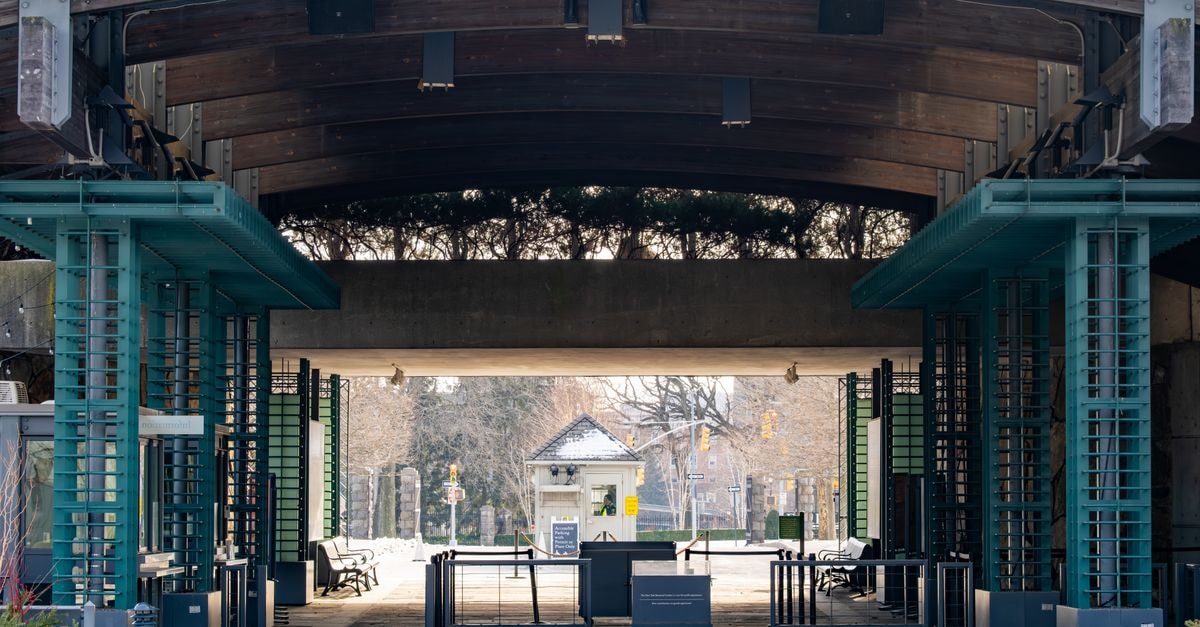
A measured welcome to Buffalo

Buffalo sits at the eastern edge of Lake Erie, a city whose weather can change with the wind and whose neighborhoods unfold at an unhurried pace. Walking here often rewards the curious visitor, whether you are tracing the shoreline or weaving between architectural landmarks and green spaces. The city rewards travelers who arrive with a flexible plan and a willingness to adjust rather than rush from one must-see to the next.
This guide keeps the focus tight on two things our evidence can fully support: how to move around Buffalo using its public transit network, and what to consider when planning visits to the kind of architectural and historic sites the city is known for. Think of it less as a checklist and more as a comfortable starting frame, one you can layer your own discoveries onto once you arrive.
Getting around by public transit
Buffalo's public transportation system is run by **NFTA-Metro**, the official provider for Buffalo and the surrounding Western New York region. NFTA-Metro operates a comprehensive network that combines **Metro Bus** and **Metro Rail** services, which means a single provider covers most of what an independent traveler needs to move through the city and reach nearby points of interest.
The network is broader than many first-time visitors expect. NFTA operates **49 bus lines** alongside **1 light rail line** across the Buffalo area, giving you a meaningful menu of routes to choose from depending on which neighborhood you are heading into. The rail line in particular tends to be useful for visitors because it links several of the city's most walked corridors.
For practical planning, a few habits tend to make transit days feel smoother:
- Plan your route around the corridor you want to explore, rather than trying to hit scattered points on a single bus ride. - Keep an eye on the light rail line as a backbone, then layer buses on top for specific destinations. - Treat the transit network as a way to extend your walking rather than replace it; Buffalo's neighborhoods reveal themselves best on foot once you step off the bus or train.
For getting to and from Buffalo Niagara International Airport by public transport, the NFTA-Metro network is the official channel to look into before you travel. Checking schedules in advance removes the guesswork and lets you decide between transit and a ground transfer based on your arrival time, luggage, and energy level.
Architectural landmarks and historic sites
Buffalo's attraction landscape has a strong architectural and civic-history character, and a couple of sites capture that identity clearly. Visitors who appreciate design and history tend to find these stops especially rewarding, and they tend to unfold best when given room rather than squeezed between other commitments.
**Buffalo and Erie County Botanical Gardens** is a historic conservatory set inside South Park, anchored by a striking **tri-dome glass structure** that has long drawn design enthusiasts. It is best categorized as an architectural landmark, and visits are typically structured around **paid tours**, which makes it a good candidate for an advance booking rather than an impromptu stop. If glasshouses, planting collections, or conservatory architecture interest you, this is one of the city's most photographed interiors.
The **Buffalo and Erie County Naval and Military Park** sits in a different register. A visit here tends to involve a meaningful amount of walking across the ships and grounds, so **comfortable walking shoes** are genuinely useful. This is less a place to rush and more a place to read the exhibits at your own pace; the size of the site rewards visitors who treat it as a slow afternoon rather than a quick photo stop.
When planning either of these visits, a few practical considerations help:
- Check the tour format and ticketing for the Botanical Gardens in advance, since paid tours are part of how the site operates. - Build in extra time at the Naval and Military Park for movement between ships and outdoor exhibits. - Pair each site with a neighborhood walk rather than chaining them together; the breaks make both experiences feel richer.
How to pace a Buffalo day
Because the city rewards unhurried exploration, a soft structure tends to work better than a packed schedule. Pick one anchor attraction for the morning, take a long lunch or a quiet walk through a nearby park, and save a second, lighter stop for late afternoon when the light softens.
Transit works best when it serves that rhythm. A single light rail ride can position you for a whole afternoon of walking, and the broader bus network can carry you back to your base when you are ready to rest. Building in flexibility also leaves room for the unexpected finds that often define a Buffalo visit, from a neighborhood café you stumble into to a waterfront view you did not plan for.
Travelers who like to plan in advance will get the most out of Buffalo by deciding which two or three experiences matter most, then letting the city's pace fill in the rest.
A note on planning and verification
Factual travel conditions can change, and the details in this guide reflect the source material available at the time of writing. Transit schedules, ticketing formats, attraction access rules, and site conditions are all worth confirming through official NFTA-Metro channels and the individual attraction websites before you travel. Treat the guidance above as a reliable starting frame, and verify the specific details that affect your trip as your dates approach.
Buffalo is a city that gives back what you put into it. With a grounded transit plan and a thoughtful short list of architectural and historic sites, you have everything you need to experience the city with confidence and ease.
Share this article
TOOLS FOR THIS PLAN
Make the Buffalo plan measurable
Choose a tool only when it answers the next question in your trip. Your values stay in the browser, and each tool offers a route back to this planning context.