A first look at Buraidah

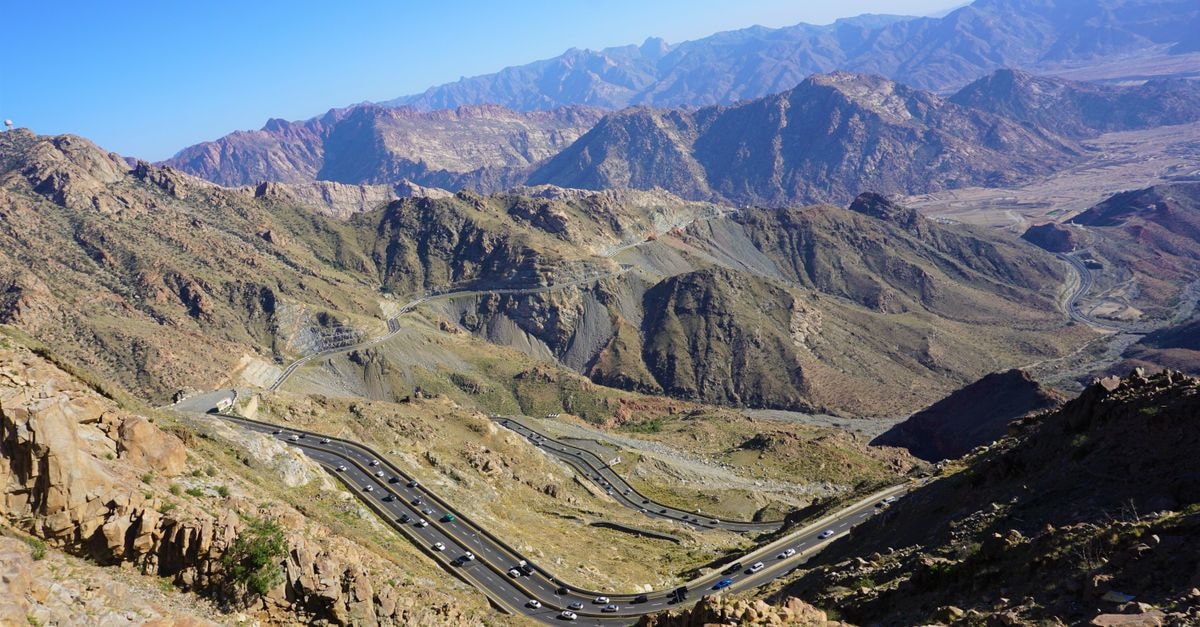
Set in north-central Saudi Arabia, Buraidah is the capital and largest city of the Al-Qassim Region, sitting in the heart of the Arabian Peninsula. It is not the kind of place that rewards travelers chasing a high-energy checklist. The pull here is quieter: everyday rhythms, local commerce, and a regional food culture that carries real weight. Travelers who enjoy decoding the texture of daily Saudi life tend to find a lot to like, while those looking for a constant social scene may feel the pace is slower than expected.
The guide below focuses on what the approved evidence actually supports: how to think about weather and timing, how to plan your arrival and movement in and out of the city, and the food culture that gives Buraidah its identity.
Weather and seasonal context
Buraidah sits in a region where temperature strongly shapes the travel rhythm. The approved evidence points to a clear pattern: travel planning in the region often targets the cooler months from October to April, with accommodation listings reflecting that seasonal shift across cities in the area. That suggests a useful framing for visitors, even though conditions vary year to year.
There is no direct, city-specific temperature or forecast data in the approved facts, so this section deliberately stays general. What the evidence does support is a softer, traveler-friendly read on the city itself: Buraidah is not built for travelers who need constant nightlife or a hostel-bar scene to enjoy a destination. The reward is in the everyday fabric of Saudi life, which can feel slow if you arrive expecting a more conventionally touristic tempo.
If you prefer planning a regional trip around the cooler half of the year, consider aligning your dates with the October-to-April window the evidence highlights, since conditions at other times are not documented in the approved sources.
Getting around
The approved transport evidence is limited to a basic orientation: Buraidah is positioned in north-central Saudi Arabia, within the Al-Qassim Region, and route-planning resources such as Rome2Rio cover how to get to Buraydah. There is no detailed city-level data on local buses, taxis, ride-hailing coverage, or intercity connections in the ledger, so this section sticks to what is actually supported rather than filling in the gaps with general assumptions.
For arrival planning, the practical starting point is to check a route planner for current options into the city, since Saudi Arabia's transport network continues to evolve and the right choice depends heavily on your origin. Within Buraidah itself, the evidence does not give a confirmed picture of local transport modes, schedules, or fares. Treat any specific detail about local transit as something you will want to confirm closer to your trip through an up-to-date source.
If you prefer cities where you can rely on a well-mapped local transit system with published routes and timetables, you may want to ask yourself how comfortable you are arranging ground transport on arrival in Buraidah, since the approved evidence does not lay that out in detail. That is a planning question worth answering before you go, not a verdict on the city.
Food and local context
Food is one of the clearest reasons to plan a visit. The approved evidence frames Buraidah as a recognized destination for food lovers, with curated lists of top restaurants highlighting the local dining scene. That puts the city on the map for travelers who plan trips around cuisine rather than sights.
Beyond the festival, the approved facts support the broader framing: Buraidah is a city where food culture is a real point of identity rather than a side note. What the evidence does not support is a list of specific restaurant names, dishes, prices, or opening hours, so this guide does not fabricate them. If you want to plan around the top 25 restaurant lists referenced in the source, treat them as a starting point for your own research rather than a confirmed itinerary. Cuisine-focused travelers may also want to consider whether their schedule can flex around the date festival, since that is the one food-specific moment the evidence highlights.
Choosing what fits the trip
A few supported tradeoffs are worth pulling together before you decide. Buraidah rewards travelers who are curious about everyday Saudi life and regional food culture, especially those whose timing can flex around the cooler half of the year or the annual date festival window. It is less suited to visitors who want a constant social or party tempo, or who need a city to lay out detailed local transport options on its own. The evidence supports a slower, more curious style of travel here, and that is the strongest signal the source material offers.
Before you go
Factual travel conditions can change, and this guide is built on a narrow set of approved sources. Before you travel, verify current weather, transport options, accommodation availability, and any food or festival details through official channels and up-to-date planning tools. Treat the points above as a grounded starting frame rather than a final itinerary.
---
Verification note
A single essential planning question is worth flagging: with limited approved detail on local transport modes within Buraidah, you may want to confirm how you will move around the city on arrival before you commit to a hotel location.
Share this article
TOOLS FOR THIS PLAN
Make the Buraidah plan measurable
Choose a tool only when it answers the next question in your trip. Your values stay in the browser, and each tool offers a route back to this planning context.