A first look at Burao

Burao sits in the Togdheer region and carries the feel of a working Somali city rather than a polished tourist stop. Travelers who arrive here tend to come with curiosity about Somaliland's self-declared story, an interest in wandering traditional neighborhoods, and a willingness to plan logistics carefully before stepping out. The reward is a place where everyday life unfolds in markets, winding lanes, and dusty avenues that reward slow attention.
Before any practical section, one note is worth setting out plainly: this guide is built only from approved city-level evidence, so it covers what can be said confidently and leaves the finer details of opening hours, ticket desks, and restaurant menus for visitors to confirm on the ground.
Weather and seasonal context
Burao's climate is classified as a subtropical desert climate, the kind of environment where the sun is a constant presence and rain is rarely the backdrop of a day out. In practice this means clear skies, dry air, and warm temperatures for much of the year, with cool evenings that can make a light layer welcome after sunset.
For travelers, the desert climate suggests a few sensible rhythms. Days can feel long and bright, so sightseeing and walking the old lanes of the city are typically more pleasant in the morning and late afternoon. A wide-brimmed hat, sunglasses, and steady water intake are everyday companions rather than emergency items. Because conditions are generally dry, plans rarely need to bend around rain, but dust and heat can shape how long a wander through open streets feels comfortable.
If you prefer cooler pacing, building in shaded stops and a slower afternoon window can keep the day enjoyable rather than draining.
Getting around
Movement in and around Burao is shaped by a few practical realities that visitors should understand before they travel.
There is no railway network serving Burao or the wider Somaliland region, so rail travel is simply not part of the options. The backbone of intercity travel is the shared minibus and coach network. These are the main way people move between cities, and the Hargeisa–Burao corridor is a notably common route. Fares for intercity minibuses and coaches are reported in a range of about US$3 to US$15 per journey, which reflects the differences between short hops and longer intercity runs.
For foreign visitors specifically, there is a legal requirement that matters more than the choice of vehicle: travel within and around Burao is supposed to be done with at least one SPU guard, whether the visitor is in a private vehicle or using public transportation. This rule is described as very likely to be enforced at roadblocks, unless a traveler has arranged a waiver letter from the tourist office in Hargeisa ahead of time. No one is recorded as having been granted such a letter to travel beyond Burao toward Erigavo, nor as having used public transportation along that route, so visitors planning to push past the city should treat the rule as a real boundary rather than a formality.
If you prefer door-to-door comfort and are arranging a private driver, the guard requirement still applies. If you prefer the shared rhythm of local minibuses, plan for the same accompaniment and the possibility of informal stops along the way. Either way, sorting the SPU arrangement before arrival in the city removes a layer of friction at the first roadblock.
Attractions and planning
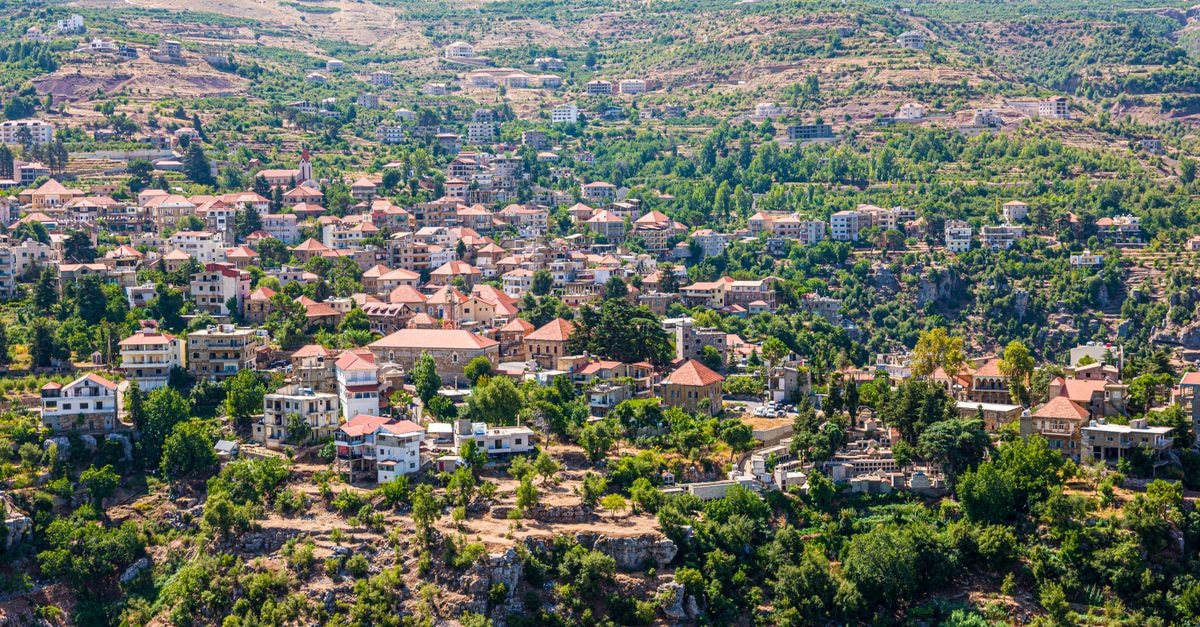
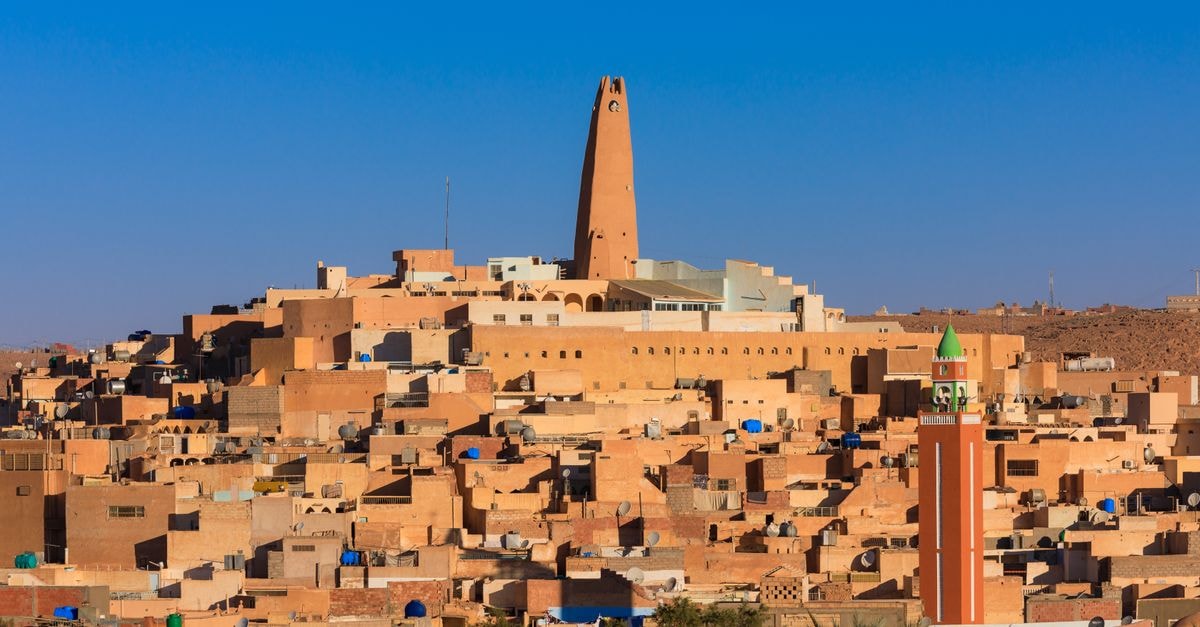
Burao's most widely cited point of interest is its old town, the historic core of the city, where traditional Somali houses and winding lanes still shape the streetscape. For travelers who enjoy stepping into a neighborhood rather than ticking off a monument, this is the kind of place that rewards unhurried walking, looking up at carved wooden doors, and pausing in shaded corners.
Because the evidence is limited to this single anchored attraction, it is worth treating the old town as a mood as much as a checklist. Visitors who appreciate vernacular architecture, the texture of lived-in streets, and conversations that can start over a shared bench may find it especially satisfying. Those who prefer museum-style interpretation, formal opening hours, or guided signage may want to arrive with patience and a willingness to read the place through its details rather than through exhibits.
A practical note: with no railway and the SPU guard rule shaping how visitors move, a slow half-day or full day spent largely on foot in and around the old town is often the most natural way to structure time in Burao itself, leaving longer moves for the intercity bus.
Wider context
Burao was the site of the 1991 Burao Conference, where northern Somali leaders declared the independence of Somaliland, a self-declared state not internationally recognized. For travelers, this background can quietly shape conversations and the sense of place while moving through the city, even though it rarely appears on a sightseeing list. Reading a little about the conference and its context before arrival can make the old town's atmosphere easier to read on the ground.
A note before you go
Travel conditions in this part of the world can shift, and the details above reflect the approved evidence available at the time of writing. Before departure, check current guidance through official channels and local contacts, confirm transport arrangements including the SPU requirement, and verify any detail that would affect your day-to-day plans on the ground.
Share this article
TOOLS FOR THIS PLAN
Make the Burao plan measurable
Choose a tool only when it answers the next question in your trip. Your values stay in the browser, and each tool offers a route back to this planning context.