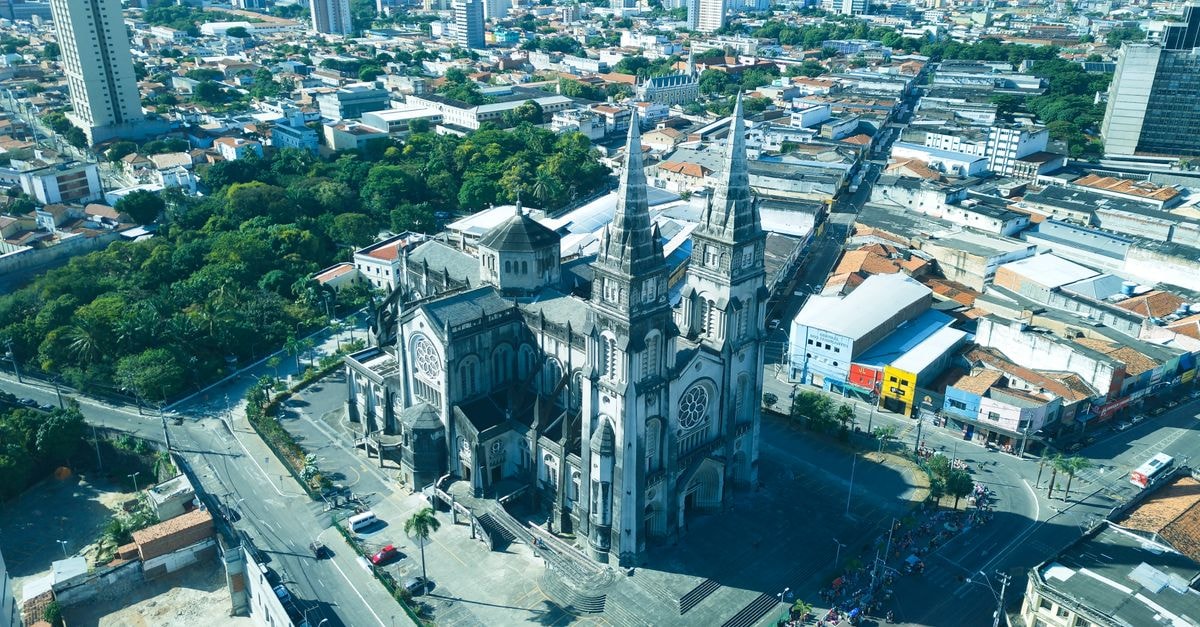
The coastline and its varied scenery
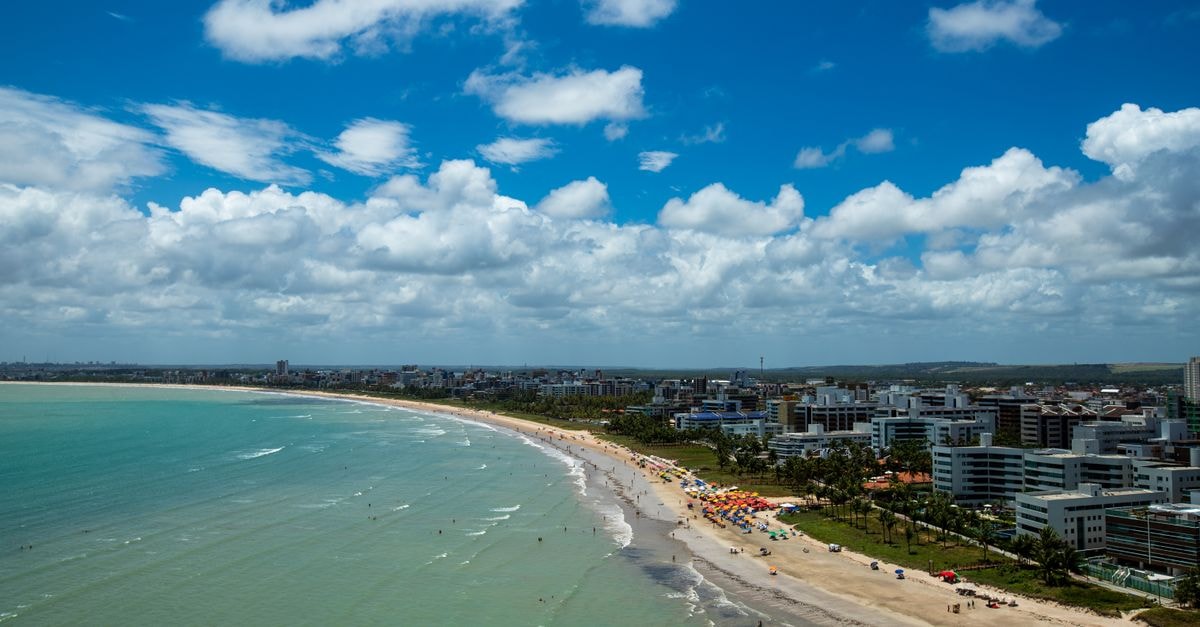
Cabo de Santo Agostinho has a more varied shore than a continuous, flat strip of sand: wooded hills meet the ocean, coves create more intimate settings, and sandstone reefs add a distinctive geological character. If you prefer scenery with visual texture rather than a single long beachfront, this mix may be especially appealing.
The available city attractions include Itapuama Beach, Pedra do Xareu Beach, and Shopping Costa Dourada. Each offers a different way to interpret the destination: beach landscapes at Itapuama and Pedra do Xareu, and a shopping stop at Costa Dourada. Weather conditions can change, so keep beach plans flexible and consult current official or local weather information before heading out.
Local art and the municipal setting
The municipal government’s materials point to one especially distinctive dimension of local life: cabo-tense art can be encountered through dance, theater, music, and poetry. If your trip is more rewarding when local culture is woven into the visit rather than treated as an isolated stop, consider giving these art forms a place in the broader itinerary. The available source does not identify specific performances, event schedules, or access arrangements.
Cabo de Santo Agostinho also has a distinctive geographic position at the northern end of Pernambuco’s southern coast and forms part of the Recife metropolitan region. The source identifies a municipal information channel but does not establish particular transport routes, timetables, fares, or service availability. Confirm current transport details locally before relying on them.
Beaches, coves, and historic fortifications
The natural setting provides the clearest reason to visit. Itapuama Beach and Pedra do Xareu Beach are identified as major city attractions, while the wider coastline is described through its wooded hills, sheltered coves, and sandstone reefs. Travelers who prefer active days by the sea may appreciate moving between these landscapes, using current information to plan the day.
The municipality’s fortifications add a more human dimension. Forte Castelo do Mar and Forte de São Francisco Xavier de Gaibu were raised in the seventeenth century against Dutch invasions, and their ruins remain part of the city’s historical landscape. Visiting them can suit an itinerary that combines coastal scenery with historical context, allowing the trip to move between natural formations, military history, and the present-day shoreline. The available evidence does not establish current visiting arrangements for the ruins.
Choosing the coast experience that fits
There are two clear ways to shape a visit, and the better choice depends on your preference rather than a fixed rule. Beach-first travelers can prioritize Itapuama Beach, Pedra do Xareu Beach, and the stretches where wooded hills descend toward the ocean. Those who prefer a more varied landscape may prefer combining the open coastal attractions with sheltered coves and sandstone reefs.
Fortresses suit travelers who want context as well as scenery. Forte Castelo do Mar and Forte de São Francisco Xavier de Gaibu provide a connection to seventeenth-century resistance to Dutch invasions. For art-focused visitors, cabo-tense dance, theater, music, and poetry offer another distinct direction for the itinerary.
Shopping offers a different rhythm again: Shopping Costa Dourada provides an urban counterpoint to beaches and historical sites. Rather than compressing every option into one demanding day, choose the balance that matches your interests and leave room for weather and local conditions. The municipality’s mix of coast, culture, and historical places can make a selective itinerary feel satisfying without turning the visit into a checklist.
Food and wider Brazilian context
Brazilian cuisine is described broadly as a vibrant mix of tradition and innovation, and one especially familiar example is shrimp moqueca, known as a treasure of Bahian cuisine and popular across Brazil. These are countrywide culinary notes rather than claims about a specific Cabo de Santo Agostinho specialty. The available evidence does not identify individual restaurants, menus, or a particular dish as a municipal tradition.
That distinction is useful when choosing where to eat. If you are interested in recognizable Brazilian flavors, shrimp moqueca may fit a national food-focused trip, but its availability in Cabo de Santo Agostinho cannot be established from the available source. If your priority is local specificity, explore current dining choices through up-to-date local information rather than assume that a nationally popular dish is also the defining taste of the municipality. No restaurant ranking, set menu, or price should be inferred from the evidence available here.
Before you go
Cabo de Santo Agostinho combines a varied coast, local artistic traditions, and seventeenth-century fortifications. Pack plans around beaches and coves, retain flexibility for changing weather, and consult current official information for transport and cultural programs. The evidence available for this guide does not establish current access arrangements for the fortifications or a specific schedule of local cultural performances.
Prices, opening hours, schedules, reservation rules, and local conditions can change; verify them through official channels before departure.
Share this article
TOOLS FOR THIS PLAN
Make the Cabo de Santo Agostinho plan measurable
Choose a tool only when it answers the next question in your trip. Your values stay in the browser, and each tool offers a route back to this planning context.