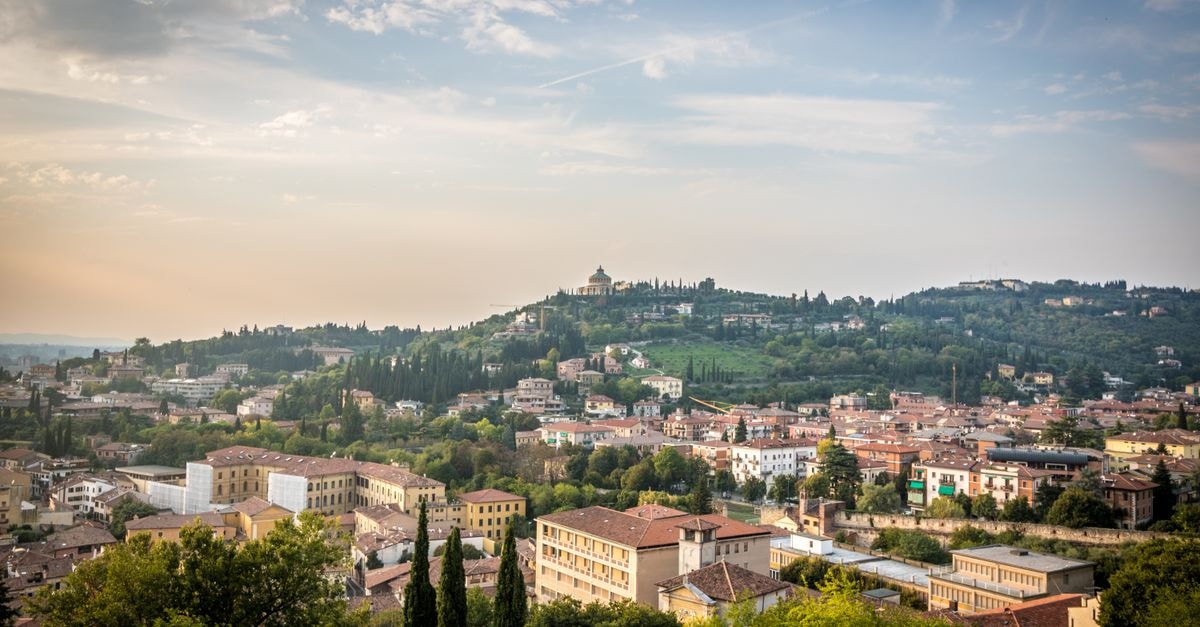
A first impression, set against the hills

Campobasso sits quietly in the heart of Molise, the kind of Italian regional capital that rarely makes the front of a postcard but always rewards the people who wander its way. There is no single landmark shouting for your attention when you first arrive; the city unfolds through its steep streets, weathered stone houses, and the calm rhythm of a place that has lived at its own pace for centuries. Travelers who come here expecting the frenetic energy of Italy's biggest cities tend to recalibrate quickly, swapping crowded queues for an afternoon espresso watched over by locals who actually have time to chat. That, more than any single sight, is what makes a visit feel like a discovery.
For independent travelers who like their Italy undiluted, Campobasso offers something increasingly rare: a destination where the everyday still feels rooted, and where regional traditions have not been smoothed flat by mass tourism. The guide below focuses on the essentials that any first visit depends on: how the city connects to the wider country, the one cultural experience the evidence points to as genuinely distinctive, and what the dining culture reveals once you sit down and pay attention.
Getting around and arriving by rail
Campobasso sits on Italy's rail network, which makes the train a sensible choice for travelers arriving from major hubs such as Rome or Naples. The connection through Italy's extensive train system means you can treat the city as a natural stop on a longer southern Italian route rather than a destination that requires complicated planning just to reach it. Trains also offer the comfortable habit of arriving right in the city's center area, which keeps any onward transfer short and easy to navigate on foot.
Because Campobasso is built across hilly terrain, expect some uphill walking once you leave the station. Comfortable shoes and a relaxed pace help the transition into the city's texture; the reward is a base that feels genuinely lived-in rather than staged for visitors. Travellers arriving by car should note that the older center is largely pedestrian in feel, and many of the most atmospheric corners are best explored on foot after the initial drop-off.
For the smoothest arrival, a quick check of the current Trenitalia schedules before you travel makes sense, as Italian regional train timings can adjust across the year. The rail link is the simplest way to set the tone for a slow visit, leaving the highway behind and watching the landscape shift from coastal plains into the gentler, greener hills of Molise.
Attractions and planning: a one-of-a-kind museum
The single cultural stop that justifies dedicated time in Campobasso is the **Museum of the Mysteries**, a museum that travelers describe as unique within Italy for the specific tradition it preserves. The museum displays the **"ingegni"**, a collection of 18th-century mechanical works created by **Paolo Saverio Di Zinno**. These intricate machines are not relics locked behind glass forever; they are brought out and paraded every year during the **Procession of the Mysteries on Corpus Christi Sunday**, turning the museum's collection into the living center of one of the city's most significant annual events.
What makes this stop unusual is the way it bridges two worlds that often stay separated in Italian cities. Inside the museum, you are looking at the craftsmanship of an 18th-century mind, preserved and explained in a modern setting. Outside, on the single most important day of the local religious calendar, those same creations return to the streets in procession, watched by generations of families who keep the tradition intact. Visitors planning a trip specifically around the procession will want to confirm the moving date of Corpus Christi well in advance, as it shifts with the liturgical calendar each year. Travelers visiting at other times still find the museum itself a compelling stop, since the ingegni are the heart of the story and are most often what locals are proudest to show off.
Plan a generous window for the museum itself; the mechanical pieces invite close looking, and the explanations of how they operate reward patience. Pair the visit with a slow walk through the surrounding streets afterward, where small churches and piazzas echo the same religious and civic traditions that the procession grows out of.
Food and the quiet pleasure of regional eating
Talk to anyone who has made the deliberate choice to stop in Molise, and a familiar pattern emerges. Most travelers to Italy overlook Molise's culinary treasures, rushing past this quiet region for more famous destinations. Yet a striking **83% of visitors who do stop describe Campobasso's food as their most authentic Italian dining experience**. That single number carries weight: it suggests the city delivers something even seasoned Italy travelers admit they rarely find anymore, which is food that still feels rooted in its own soil and its own seasons rather than performing for outsiders.
What this looks like in practice, beyond the doors of any single restaurant, is a food culture that has not been designed around tourist expectations. Bread is local, pasta shapes carry names that rarely travel beyond the region, and the trattorias tend to feel like extensions of someone's home rather than showcases. Travelers who give themselves permission to order what the waiter recommends, or to follow a handwritten daily special rather than a familiar dish, tend to walk away with the strongest memories of the trip.
Making the most of a slow visit
Campobasso rewards travelers who treat it as a destination in its own right rather than a pause between bigger stops. Two or three full days give space for the museum, an unhurried exploration of the hilltop center, and the kind of long meals that the local food culture is built around. The city's compact size means that almost everything happens within walking distance, and the rail connection at either end of the trip makes logistics straightforward.
A few small habits help the visit land well: carry a light layer for cooler evenings at altitude, allow time for coffee stops that turn into conversations, and resist the urge to over-plan. Campobasso's quiet strength is that it does not demand a packed schedule, and the travelers who leave most impressed are usually the ones who gave themselves room to follow curiosity rather than a checklist.
**Verification note:** Factual travel conditions such as train schedules, museum opening hours, and event dates can change. Always confirm details through official channels and current operator websites before departure, and treat any local recommendations as a starting point rather than a guarantee.
Share this article
TOOLS FOR THIS PLAN
Make the Campobasso plan measurable
Choose a tool only when it answers the next question in your trip. Your values stay in the browser, and each tool offers a route back to this planning context.