A first look at Cancún

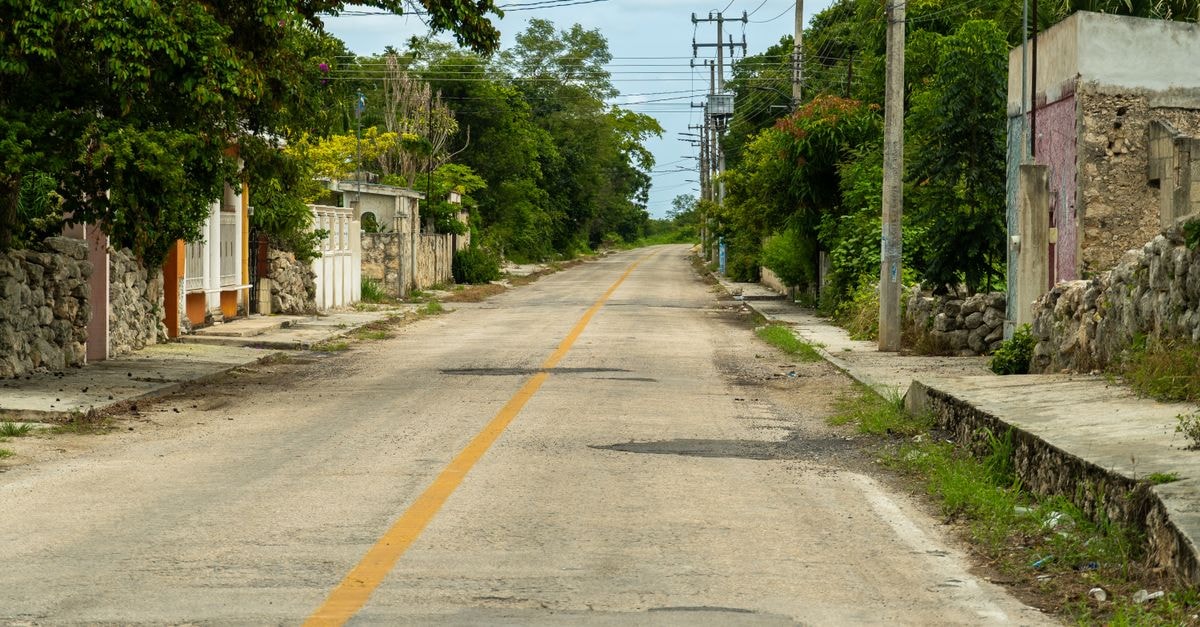
There is a version of Cancún that lives entirely inside the all-inclusive bubble: the lobby bar, the buffet, the curated nightly show. There is also the city beyond that, where the same turquoise coastline opens onto a working resort town with its own markets, kitchens and bus terminals. This guide is for travelers who want to step gently into the second version, without losing easy access to the first.
Cancún sits on the Caribbean coast of Quintana Roo, and its global reputation rests on a very specific combination: spectacular white sand beaches, the famously vivid blue of its sea, and a climate that draws visitors year after year. That framing, from the official tourist literature of Quintana Roo, is a useful starting point because it tells you what the destination is actually selling: light, water and warmth. Once you accept that, almost every other decision, from where to eat to how to get from the airport, becomes simpler.
What follows is a practical, evergreen guide: how to arrive cheaply, what the city is known for at street level, and how to think about food without falling into the tourist-trap routine. It is deliberately compact, because the supported facts are compact. Where a detail would need to be checked before you act on it, the guide simply leaves it out.
Getting around from the airport
Most independent travelers arrive at the airport that serves Cancún, and the cheapest way out is the public bus. The ADO airport service runs booths inside the three airport terminals, sells tickets in Mexican pesos, and markets itself on three things: the lowest prices among airport options, a comfortable and direct service, and an efficient connection to destinations across the region. For a budget-conscious visitor, that combination is exactly what you want, because it removes the haggling layer that sits on top of every taxi and shared-van pitch in the arrivals hall.
Two practical habits help. First, pay in the local currency when you can; the bus operator publishes its fares in pesos and warns that prices may change without notice, which is a reminder to treat any number you read online as a reference rather than a guarantee. Second, give yourself a few extra minutes over what you would allow in a European or North American airport. The terminals are large, the bus stops are not always visible from the gate, and you may have to walk past several aggressive transfer salesmen before you reach the ADO booth. Budget-conscious travelers who plan their ground transfer this way typically arrive at the hotel zone or downtown with pesos left in their pocket for the first meal.
If the bus timetable does not fit your arrival, or if you are arriving very late, the same official airport-transport page is where you would look for alternative public options, filtering by your destination. Because that page is updated by the airport rather than a third party, it is a sensible bookmark even if you end up not using it on this trip.
What the destination is actually known for
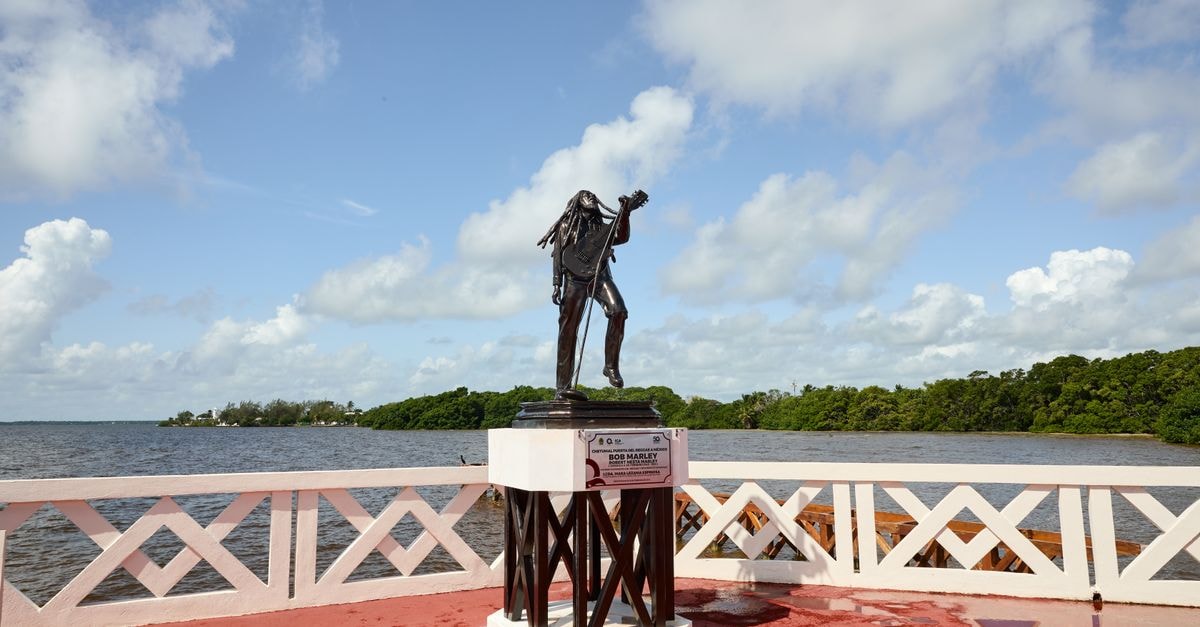
The official Quintana Roo tourism portal describes Cancún in three phrases: spectacular white sand beaches, a fascinating sea with turquoise blue waters, and a unique climate. That is a deliberately short list, and it is worth taking seriously. The beach is the headline, the color of the water is the reason people remember it, and the climate is the reason people keep coming back. Independent travelers often over-plan the city itself and under-plan the coastline; reversing that ratio usually makes for a better trip.
In practical terms, this means that a sensible day in Cancún is built around the sea. Mornings tend to belong to the water, afternoons to shade or a long lunch, and evenings to whatever neighborhood you are staying in. The city does have a downtown that is distinct from the hotel zone, and it is worth a slow walk on at least one afternoon, but the main event is the shoreline.
Two honest caveats. The first is that the beach experience varies a lot by section: some stretches are calm and swimmable, others are better suited to a long walk with a cold drink. The second is that, because the destination is beach-led, weather shapes the day more than in a museum-led city. If the sky is overcast, the color of the water changes, the wind picks up, and the rhythm of the day shifts with it. Plan flexibly and let the sea set the pace.
Food and local context
Cancún's food scene is easy to misread. The same city that can feel like a chain-restaurant corridor also has a layered culinary identity, one that blends regional Mexican traditions with influences from the Yucatán Peninsula and from further afield. The clearest starting point for a visitor is the framing used by Cancun-focused food writing: Cancún cuisines reflect the diverse and vibrant culinary heritage of Mexico, blending traditional Mayan flavors with contemporary influences. Read that sentence carefully and it tells you what to look for. Mayan flavors is the key phrase. The peninsula has a distinct flavor vocabulary, built on corn, achiote, citrus, habanero and slow-cooked pork, and that vocabulary shows up in the local kitchen more than the international hotel buffets suggest.
The honest version of Cancún dining, according to one widely read Cancun food guide, is that most tourists who visit never eat a real local meal. That is not a snobbish line; it is a description of how the food economy is structured. The hotel zone concentrates visitors, and the visitor economy concentrates familiar flavors, so the path of least resistance leads to recognizable international dishes. The path of slightly more resistance leads to small neighborhood kitchens, markets and street food that reflect how people who live in Cancún actually eat.
A practical approach is to plan two or three meals around the neighborhood you are staying in rather than around your hotel. Ask a local which market they shop at, which taquería they trust, and which dish they would order for themselves. The same Cancun-focused guide notes that its city travel section covers logistics while a separate roundup covers sit-down restaurants, which is a useful reminder to read both: one helps you get around, the other helps you eat well. As wider Mexico context that visitors may encounter while in Cancún, expect a national love of street food, an emphasis on fresh salsas at every table, and a coffee and chocolate culture that runs far deeper than the hotel breakfast buffet suggests.
If you want a single rule of thumb for the trip, it is this: treat the hotel zone as the base, not the destination, and let your meals pull you toward the parts of the city where locals actually live.
A few honest caveats before you go
This guide is deliberately short, and that is on purpose. The supported evidence covers airport transport, the headline attraction, and the food scene at a general level. It does not contain current prices, current timetables, or verified opening hours for any specific restaurant, market or attraction. Before you spend money, board a bus, or commit to a reservation, check the relevant official channel on the day.
Travel conditions, exchange rates and bus fares can all change without notice. Treat this article as a starting framework, not a final itinerary, and verify anything checkable before you act on it.
Share this article
TOOLS FOR THIS PLAN
Make the Cancún plan measurable
Choose a tool only when it answers the next question in your trip. Your values stay in the browser, and each tool offers a route back to this planning context.