A coastal city built on memory and sea air

There is a particular kind of stillness that hangs over Cape Coast, the kind that settles when a place has carried centuries of stories in its walls. Once a colonial capital and long a hub of Atlantic trade, this Central Region city remains the historical and cultural heart of Ghana, with a coastline that brightens the journey between landmarks. Visitors tend to arrive curious about the past and leave impressed by the warmth of the Fante welcome that surrounds them.
This guide is shaped for travellers who want a thoughtful, slow-paced visit: enough practical detail to move between the city's major sites with confidence, and enough local texture to feel the place rather than simply pass through it.
Getting around
Reaching Cape Coast from Accra is straightforward once you know your options. The most reliable way is to charter a four-wheel-drive vehicle, a mini-van, or a smaller car sized to your group, leaving the capital along the well-travelled coastal corridor. Travellers with an interest in overland bus routes can note that Francol Transport has historically operated services departing from the "Bakano Cape Coast Ford station" in the Kaneshie area of Accra, with arrivals at the "Ford bus station bakaano" in Cape Coast; current operation and booking should be confirmed locally.
Once you are in the city itself, the local transport network offers an affordable way to explore the surrounding coast. A popular short route runs from Cape Coast toward Elmina, roughly 12 kilometres along the shore, and a shared minibus, commonly called a tro-tro, is available for $0. The same informal logic that drives most Ghanaian intercity travel applies here: routes are simple, vehicles fill quickly, and asking a local for the exact departure point usually saves time.
If you are travelling light and enjoy the rhythm of public transport, the tro-tro toward Elmina is a gentle introduction to coastal Ghana and a low-cost way to connect two of the region's most visited sites. Travellers who prefer door-to-door convenience, or who are carrying luggage, may want to consider a private vehicle for the same stretch instead.
Attractions and planning
Cape Coast's identity is inseparable from its castles, and the city's primary landmark carries a weight that no photo quite prepares you for. Cape Coast Castle is a UNESCO-listed site that anchors the old town, and it offers a deeply moving journey through the transatlantic slave trade. Within its walls, dungeons, and overlooking courtyards, the history of the region comes into sharp focus, and the experience tends to linger long after you leave.
Plan time for slow, reflective exploration rather than a rushed stop. The castle rewards visitors who arrive curious and unhurried, and guides at the site are generally well prepared to walk you through the building's layers of history. Comfortable shoes and a willingness to listen matter more here than any checklist of rooms to find.
A short drive beyond the city, Elmina Castle stands as another critical landmark with its own rich stories. Built earlier and shaped by a different chapter of the same trade era, it complements a Cape Coast visit by widening the historical frame. Travellers with a strong interest in coastal Ghana's past may want to consider setting aside time for both castles across separate visits rather than racing between them, since each deserves space to absorb.
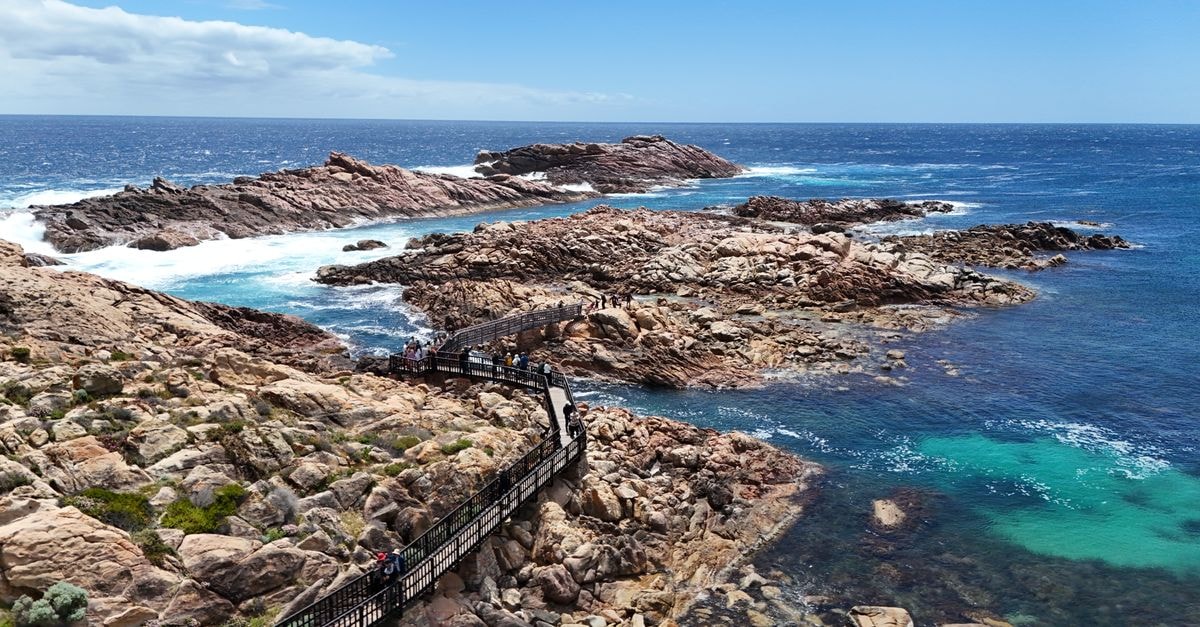
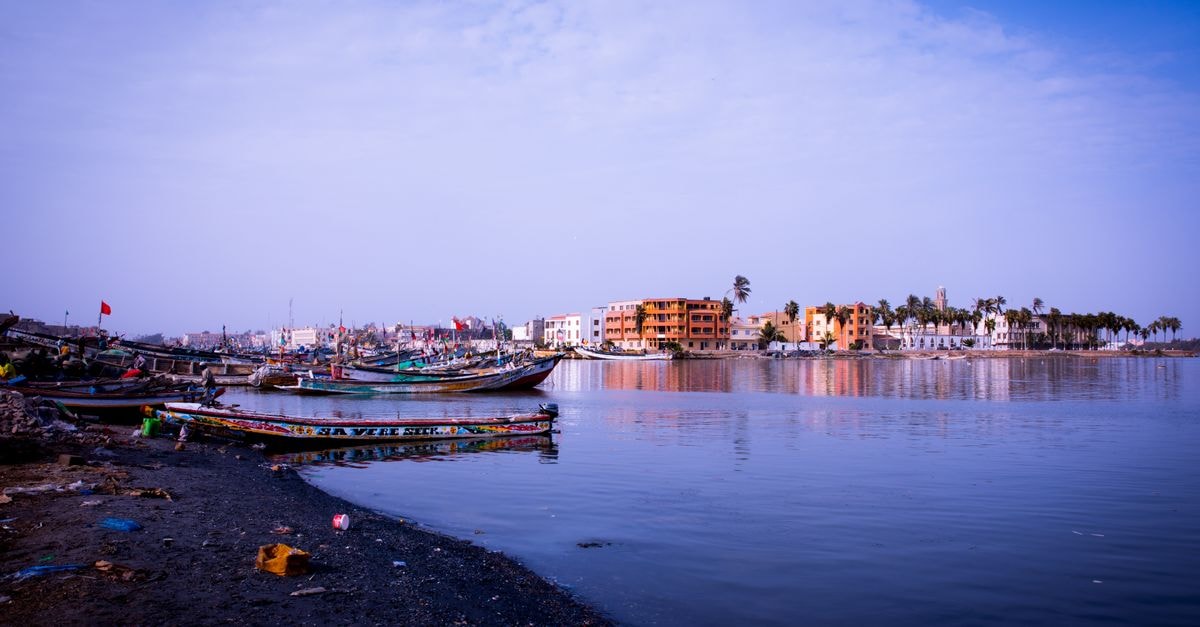
Beyond the castles, the surrounding coastal scenery rewards unhurried wandering. The shoreline around Cape Coast, with its blend of fishing communities and Atlantic views, offers a quieter counterpoint to the gravity of the historical sites, and many visitors find that alternating between heavy history and sea air gives a balanced day.
Food and local context
Cape Coast's food scene is grounded in the wider flavours of Ghanaian cuisine, and a few signature dishes appear on menus throughout the city. Jollof rice, the tomato-based one-pot rice that sparks friendly debates across West Africa, is widely available and offers an easy entry point for visitors curious about local cooking.
For travellers who want a sit-down Jollof experience, restaurants such as Baobab Restaurant and Cape Coast Kitchen are local references where the dish features on the menu. Both sit comfortably within the rhythm of a Cape Coast day, whether you are stopping for a late lunch between castle visits or winding down in the evening.
Beyond Jollof, expect to encounter the broader textures of Ghanaian cooking across the city: grilled fish along the coast, hearty soups with banku or fufu, and street-side snacks that vary by time of day. Eating in Cape Coast tends to be a relaxed affair, and the warmth of Fante hospitality often shows up first in how a meal is shared.
Choosing what fits your trip
Cape Coast rewards visitors who lean into its historical depth rather than rush past it. If castles and memory are the main draw, build your days around Cape Coast Castle and a separate visit to Elmina Castle, allowing space for quiet reflection rather than back-to-back touring. Travellers who prefer a slower pace with light walking and frequent stops may want to consider basing themselves in the city and using a tro-tro for short coastal hops, while those with heavier luggage or a tighter window could opt for a private vehicle to keep transitions simple. For food, Jollof at a known local restaurant gives an easy cultural anchor without requiring adventurous ordering, and the wider Ghanaian menu around it lets you expand at your own comfort level. The shape of the trip, in other words, should follow what feels most meaningful to you, since the city offers depth for both the curious historian and the unhurried coastal wanderer.
A quick note before you go
Travel conditions, transport schedules, and site access details can change, so it is worth confirming current arrangements through official channels or your accommodation before departure. If you plan to exchange money, remember that rates shift and the figures mentioned in informal sources serve only as a reference, not a guarantee. A little local asking on arrival usually fills in anything this guide leaves open.
Share this article
TOOLS FOR THIS PLAN
Make the Cape Coast plan measurable
Choose a tool only when it answers the next question in your trip. Your values stay in the browser, and each tool offers a route back to this planning context.