A working bay-side town with a ferry at its heart
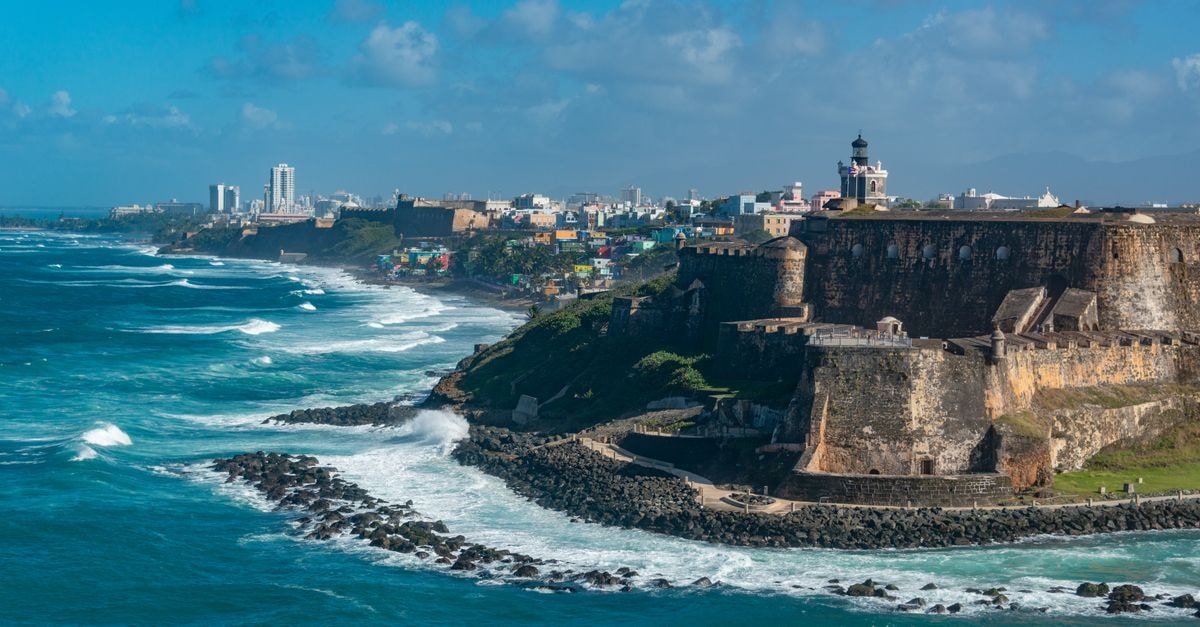
Cataño sits across the bay from Old San Juan, the kind of place that rewards travelers who like to start a trip with a working harbor rather than a polished postcard. The water is the headline. Ferries have linked Cataño and San Juan for generations, and that crossing is still part of how the town tells its own story. Visitors who arrive with that frame in mind may like to slow down a bit, look at the skyline across the water, and let the bay set the rhythm for the day.
Cataño is small enough to read in a morning and layered enough that a second pass turns up new textures. The town carries an industrial working-class pride, anchored by the bay, the docks, and the long legacy of the men and women who worked the ferries. That history is openly honored locally, which gives the place a distinct identity even from its better-known neighbors.
Getting around
The most evocative way to arrive in Cataño is by water. The Cataño ferry runs across the bay with Old San Juan visible from the deck, and that crossing is one of the defining visual experiences of a visit. Travelers who enjoy harbor views and slow crossings may find the ferry itself is worth treating as a small activity, not just a transfer.
Because the ferry and the bay front are central to how visitors experience the town, anyone planning a day around Cataño may want to consider timing the crossing to match the light, since the view of Old San Juan from the water changes as the day moves on. Once ashore, the streets near the ferry terminal are the natural orientation point for exploring on foot, and the compact feel of the town makes a walking approach practical for most short visits.
Attractions and planning
Cataño is more than a single landmark. Beyond its association with rum, the town also functions as a gateway to broader cultural and scenic draws across the metropolitan area, which means visitors can shape a Cataño stop around either a focused walk through town or a broader day that uses the ferry as the connector.
The town itself is informally known locally as the Town of the Ferry Operators, a name that honors the generations of workers who kept the Cataño–San Juan crossing running. That nickname is more than a label; it shows up in how the waterfront is presented and how locals talk about the place. Travelers with an interest in working harbors and transport history may want to give that thread a little space in their visit, since the ferry crossing is not just infrastructure but a living piece of local identity.
For planning purposes, it helps to think of Cataño in two layers: the water and the streets. The water layer is the ferry crossing and the bay views. The street layer is the working town that grew up around the dock. Visitors who prefer to focus on one layer can do a short, satisfying visit around the ferry and waterfront, while those who like to mix in broader cultural attractions can use the town as a starting or ending point.
Choosing what fits the trip
Cataño's appeal is concentrated rather than sprawling, which is good news for visitors who dislike overpacked days. A traveler who is most interested in the crossing itself, in watching Old San Juan appear across the bay, and in the working-port atmosphere may want to keep the visit simple: arrive, walk the waterfront, take the ferry, and let the bay do the talking. Someone who is also curious about how the town connects to wider metropolitan attractions can fold in a broader cultural stop, since Cataño functions as a gateway as well as a destination in its own right. The town rewards unhurried attention more than a checklist, and a light schedule tends to suit its pace.
A quick note before you go
*Factual travel conditions can change, and official channels should be checked before departure.*
Share this article
TOOLS FOR THIS PLAN
Make the Catano plan measurable
Choose a tool only when it answers the next question in your trip. Your values stay in the browser, and each tool offers a route back to this planning context.