A different rhythm outside Brasília

Ceilândia often slips past travelers who only have eyes for Brasília's planned avenues, but it rewards anyone curious about how Brazilians actually live in the Federal District. The city sits a little apart from the capital's monumental core, and that distance is part of the appeal. If your travel style leans toward quiet streets, local hangouts, and conversations rather than a packed sightseeing checklist, Ceilândia can feel like the right pace. Visitors expecting nonstop urban buzz or a fast itinerary may find the tempo slower than they imagined, and that is honestly the point of coming here.
Getting around and feeling the city
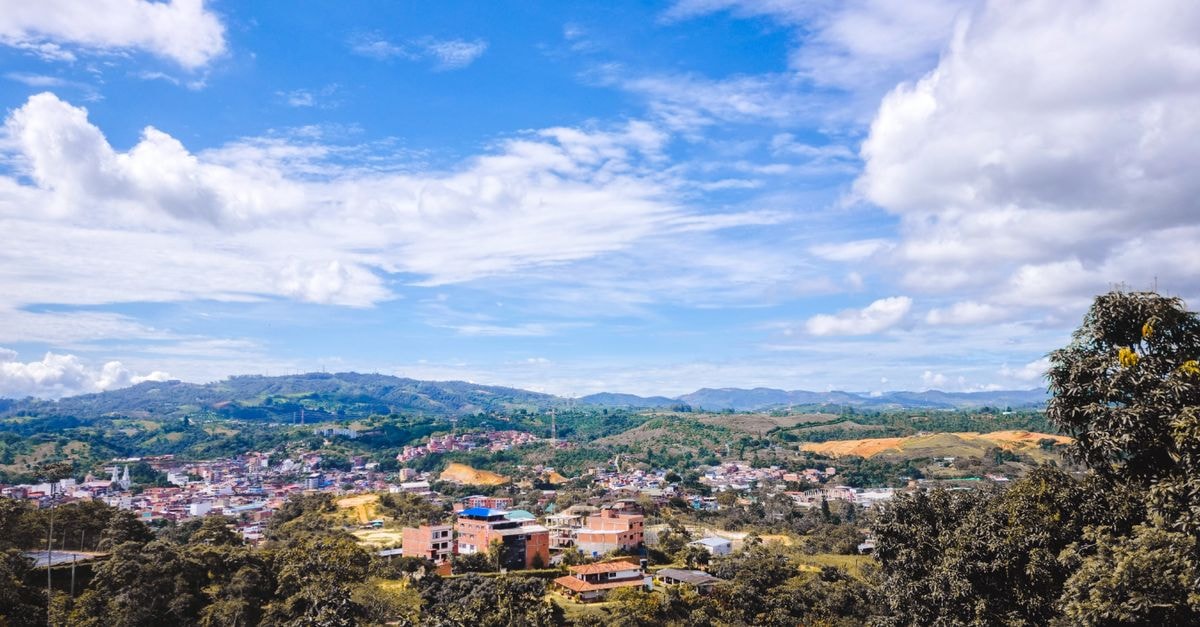
Ceilândia is described as a vibrant administrative region within the Federal District of Brazil, a place shaped by cultural diversity and a busy everyday rhythm. It was established in the 1970s and has grown into one of the largest satellite cities around Brasília, which means there is a real mix of older community spaces and more contemporary corners to wander. Getting oriented is mostly about walking local streets, hopping on regional transit that links the satellite city to central Brasília, and giving yourself permission to slow down. The city is big enough to feel like a proper destination yet compact enough to explore without a tight schedule.
Two landmarks help anchor a first visit. The Caixa d'Água, or Water Tower, is one of the most recognizable local references and a useful wayfinding point when you are finding your bearings. The Casa do Cantador, sometimes translated as the House of the Singer, is a cultural center dedicated to artists of Northeast Brazil. It carries the cultural identity of the region's migrant communities and offers a window into the traditions that shaped Ceilândia. Both spots give visitors a sense of place that goes beyond a generic satellite-city stop.
A quieter architectural detail worth noting: one of the city's notable buildings was designed by Oscar Niemeyer and completed in 1986. Niemeyer's name is practically shorthand for Brasília-era design, and encountering his work here adds a thoughtful layer to a visit, connecting Ceilândia visually to the broader story of the Federal District.
Food and local context to expect
Ceilândia does not need to be framed as a foodie capital to be rewarding at the table. The city's everyday eating culture is rooted in the wider Brazilian food experience that visitors will encounter throughout the country. As broader Brazil context, mealtimes tend to be social, portions are generous, and there is a strong tradition of gathering around shared plates rather than formal tasting menus. Travelers used to quicker, more transactional meals may want to ease into this slower, more communal rhythm.
Brazilian dining customs also shape what you will find on local menus and in casual spots. Lunch is often the biggest meal of the day, and it is common to see people lingering over coffee or a small dessert well after the plates are cleared. Street food is part of daily life, snacks are sold from small windows and market-style counters, and tipping practices follow general Brazilian norms rather than anything city-specific. Treat these as the cultural backdrop you are walking into rather than as guarantees about a particular venue or menu.
Because the city is a melting pot of internal migration, especially from the Northeast, the food scene carries regional touches. Dishes tied to Northeastern Brazilian cooking tend to appear across casual eateries, and asking locally for a recommended spot usually leads to a warm conversation. That kind of exchange is part of the slow-pace charm Ceilândia is known for.
Weather and seasonal context
The Federal District has a tropical savanna feel, and Ceilândia sits within that wider climate. Days can run warm to hot, while evenings and early mornings tend to feel noticeably cooler, especially in the drier stretch of the year. Rain tends to fall in heavier bursts rather than long drizzles, so a light layer and a compact umbrella are sensible companions even on a sunny-looking morning. Because conditions can shift quickly between bright sun and a brief downpour, pacing the day with a flexible afternoon plan tends to work better than a rigid hour-by-hour schedule.
For visitors, this means dressing for warm afternoons, planning the most active exploring for the morning or late afternoon, and leaving a comfortable window for an unhurried meal or a cultural stop when the sun is at its strongest. The Casa do Cantador and the area around the Caixa d'Água are easy to weave into a weather-aware day.
What kind of traveler Ceilândia suits
Ceilândia is best understood as a place for travelers who enjoy cultural texture over headline attractions. If your idea of a good trip includes striking up a conversation in a cultural center, noticing how a satellite city breathes next to a national capital, and letting the day unfold without a packed checklist, you will probably enjoy your time here. If you are after nonstop nightlife, dense sightseeing loops, or a fast city-break formula, you may want to pair Ceilândia with a few days in central Brasília rather than treat it as your only base.
A simple approach is to give yourself enough time to explore on foot, keep meals relaxed, and treat the Casa do Cantador and the Niemeyer-designed building as anchor points rather than checklist items. That mindset tends to match what the city does best.
A note before you go
Travel conditions can change at any time, and details such as opening hours, transit links, local services, and community programming at cultural centers should always be confirmed through official channels before you set out. Currency rates, when relevant, are only a reference and should be checked against the live rate on the day of your trip. Use this guide as a starting point for getting to know Ceilândia, then verify the specifics that will shape your actual visit.
Share this article
TOOLS FOR THIS PLAN
Make the Ceilandia plan measurable
Choose a tool only when it answers the next question in your trip. Your values stay in the browser, and each tool offers a route back to this planning context.