A town that invites a slower rhythm

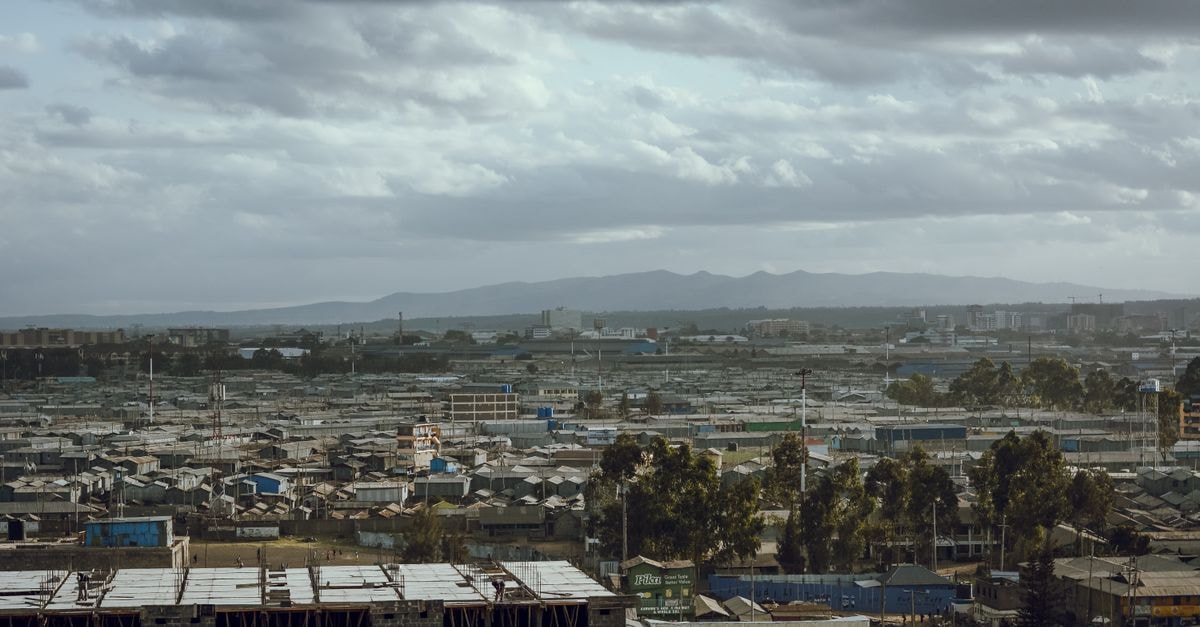
Chake Chake has a way of slowing you down before you notice it happening. As the main town of Pemba Island and the capital of Chake Chake District, it carries the unhurried feel of a working East African island town rather than a polished resort destination. The streets are narrow, the markets move at their own pace, and the colonial-era buildings lend the place a quietly layered character that rewards anyone who likes to look closely while walking.
This guide keeps the focus on what the verified evidence supports: a sense of the seasonal context, how travelers typically reach and move around the town, and the kinds of attractions worth building a visit around. It is intentionally compact, because a short, grounded portrait serves travelers better than a padded checklist of unverified specifics.
Weather and seasonal context
The single most useful piece of context is one any traveler to this part of Tanzania should know: the dry season across June through October tends to bring sunny days that work well for beach time and outdoor exploration. That is the broader seasonal pattern for the region, and it shapes how many visitors time their trips to Pemba Island.
Because Chake Chake itself sits on a tropical island off the Tanzanian coast, the town shares in that pattern, and the calm dry months are often the most comfortable window for walking the narrow streets, lingering in the markets, and pausing to take in the architecture. Travelers who prefer warm, bright conditions for street-level exploration and outdoor stops may want to plan around this window. Travelers who do not mind trading clearer skies for fewer visitors can find the rest of the calendar pleasantly quiet.
Outside the dry months, conditions can feel more humid and rain can arrive in heavier bursts, which is worth keeping in mind if you like to pace your day around long outdoor stretches rather than shorter, flexible outings. Because the evidence here describes the broad seasonal pattern rather than day-by-day conditions, it is worth checking a current forecast close to your departure.
Getting around and reaching the town
Chake Chake is a town on the Tanzanian island of Pemba, which means the journey there is part of the experience. Travelers typically arrive on Pemba first, often by air or ferry connections from the mainland, and then continue overland to Chake Chake as the district capital. Because the town sits at the heart of the island's road network, it functions as a natural base from which to explore Pemba more widely.
Once in Chake Chake itself, the narrow streets and compact center invite walking. The town's scale is one of its quiet pleasures: most of what you want to see as a visitor is within an easy stroll, and the markets, older buildings, and everyday gathering points are the kind of places you notice best on foot rather than from a window. Travelers who enjoy wandering with no fixed route and stopping wherever a doorway or stall catches their eye will find the layout welcoming.
For longer moves across the island, local transport options connect Chake Chake to surrounding areas, and the town is the natural hub for arranging onward trips. If you prefer a quieter pace and want to base yourself somewhere with a small-town feel rather than a larger resort complex, Chake Chake can suit that style of visit.
Attractions and planning your visit
The attractions picture in Chake Chake is best understood as a blend of small-town atmosphere and access to the natural draws of Pemba Island. The town itself is the experience in many ways: the narrow streets, the bustling markets, and the colonial-era buildings create an authentic atmosphere that invites unhurried exploration. Travelers who enjoy cultural texture, everyday local life, and architecture with a visible history tend to find this kind of setting especially rewarding.
Beyond the town, Pemba's broader appeal lies in its beaches and the coastal scenery that the island is known for, and the dry months tend to be the most pleasant window for beach-focused time. Because Chake Chake is the island's main town, it works well as a base for visitors who want a balance between a place to walk, eat, and settle each evening and day trips out to the coast.
A few practical notes for planning: crowd levels at the most visited spots tend to be moderate rather than overwhelming, which suits travelers who want presence without peak-season bustle. Because specific attractions, opening hours, and prices are not detailed in the approved evidence, it is worth verifying current details with local sources or your accommodation before committing to a particular outing.
Choosing what fits your trip
A few supported tradeoffs are worth weighing before you set your plans. If you prefer warm, sunny days and beach time, the dry season window across June through October is the most consistently comfortable period for outdoor time in and around Chake Chake, and it pairs naturally with a town base that is easy to walk. If you would rather trade some of that sunshine for a quieter feel and lower visitor numbers, traveling outside that window can suit that style of visit, with the understanding that conditions can feel more humid and rain can arrive in heavier bursts.
Travelers who enjoy wandering on foot, photography of everyday street life, and a small-town base with access to wider island scenery may find Chake Chake especially well matched to their style. Visitors who want a tightly packed schedule of named attractions, fixed ticketed experiences, or a resort-style stay with extensive on-site programming may find the town's character too quiet and may want to balance a stay here with time elsewhere on Pemba or on the mainland.
A note before you go
Factual travel conditions can change, and details such as transport connections, seasonal weather, and the operating status of local services should be confirmed through official or up-to-date local channels before departure. This guide is intentionally evergreen and reflects only the verified evidence available, so treat it as a starting framework rather than a final itinerary.
Prices, opening hours, schedules, reservation rules, and local conditions can change; verify them through official channels before departure.
Share this article
TOOLS FOR THIS PLAN
Make the Chake Chake plan measurable
Choose a tool only when it answers the next question in your trip. Your values stay in the browser, and each tool offers a route back to this planning context.