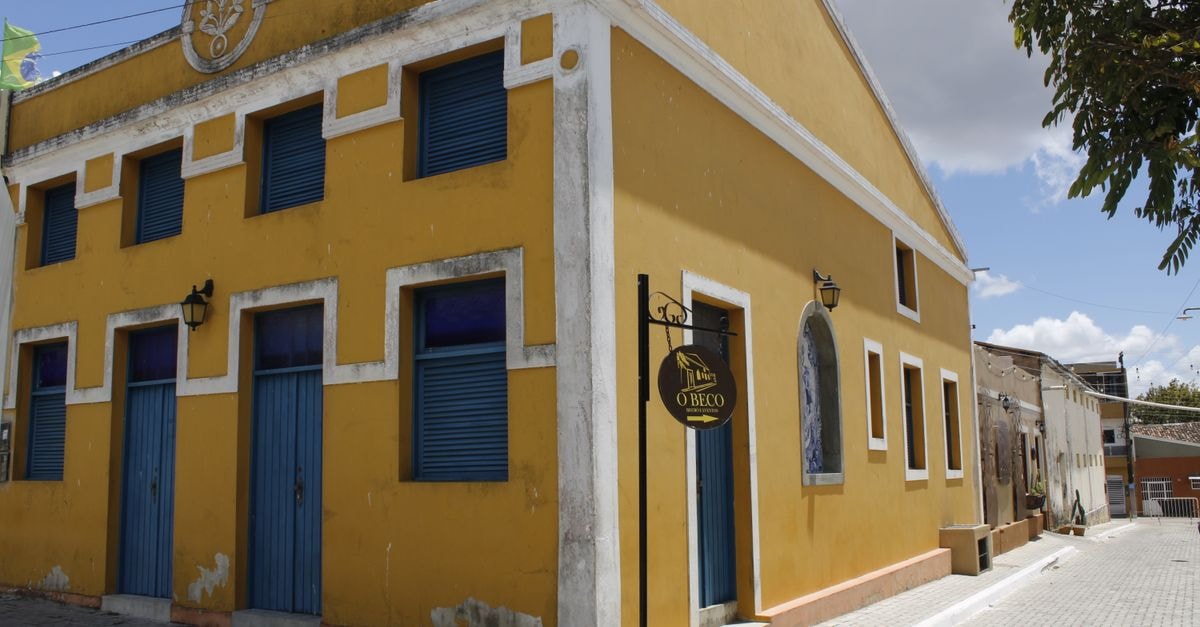
A first impression of Chapecó

Tucked into the western reaches of Santa Catarina, in the south of Brazil, Chapecó has the feel of a city that works hard and lives well. It sits far from the postcard beaches of the Brazilian coast, and that's part of its charm: visitors arrive expecting a smaller regional hub and find a place with its own pace, its own neighborhoods, and a quiet pride in being a little off the main tourist trail. If you are researching a Chapecó travel guide before booking a trip, the best approach is to treat it as a base for slow exploration rather than a checklist of headline sights.
Weather and seasonal context
Chapecó sits in a region where temperatures shift gently through the year rather than swinging between extremes. Long-running weather history for the city is published in monthly and yearly series, including temperature records that allow visitors to look back at how the climate has actually behaved. Those same archives are typically framed alongside a page that walks through the year month by month, from January through December, and links to a broader climate overview for Brazil.
A practical note for anyone planning a visit: the published records are exactly that, records. They are useful for getting a feel for what a typical day might be like, and they make it easier to pack with confidence, but they are not a forecast. If you want to know what to wear on the morning you arrive, the live conditions on the day will matter far more than any historical average.
Because southern Brazil can feel cooler than visitors from the north or northeast expect, especially on cloudy days, a layered approach to clothing tends to serve travelers well. Mornings and evenings can carry a chill that softens by midday, so a light jacket in your day bag is rarely wasted.
Getting around
Chapecó's daily rhythm is shaped by its public transport network. Local coverage of the system describes it as essential for urban mobility, serving residents, workers, and students who move through the city on a regular basis, and notes that information about routes and schedules is a frequently searched topic by people looking for urban services in Chapecó. That tells you two useful things as a visitor: first, the bus network is genuinely part of how the city functions, and second, route and timetable details are the kind of practical information that locals actively look up, so it is worth doing the same before you set out.
One detail about the city's infrastructure tends to surprise first-time visitors: unusually for Brazil, Chapecó's airport is owned and managed by the city itself rather than by a state or federal authority. That little fact does not change the boarding process, but it hints at how the local government takes a hands-on role in keeping the city connected to the rest of the country.
For getting around inside the city, a sensible rhythm is to plan one or two key trips per day on foot or by local transport rather than racing between points. Chapecó rewards a slower pace, and the distances most travelers care about tend to be manageable once you understand how the routes connect.
Attractions and planning
When travelers start looking at things to do in Chapecó, the same names tend to surface. A widely circulated travel listing for the city points to a historic landmark and a sports complex known as Verdão, and that pairing is a useful starting point for thinking about what a visit can look like.
Beyond those two, a practical planning note is worth keeping in mind: travel platforms tend to bundle the city with hotel listings, car rentals, airport transfers, attractions, and eSIM options all in one place. That can be useful for comparing what is on offer, but the specific availability of any one service should be confirmed closer to your travel date rather than assumed from a general overview.
If you are sketching out a stay, think in terms of two or three anchor activities per full day, leaving room for the unplanned stops that often end up being the most memorable. A landmark visit, a walk through a neighborhood you have not seen before, and time to sit with a coffee at a local pace is a reasonable shape for a first day in Chapecó.
A short verification note
If you arrive curious and unhurried, Chapecó tends to reward that mood. It is not a city that performs for visitors, which is precisely why it stays interesting once you slow down and look.
Prices, opening hours, schedules, reservation rules, and local conditions can change; verify them through official channels before departure.
Share this article
TOOLS FOR THIS PLAN
Make the Chapecó plan measurable
Choose a tool only when it answers the next question in your trip. Your values stay in the browser, and each tool offers a route back to this planning context.