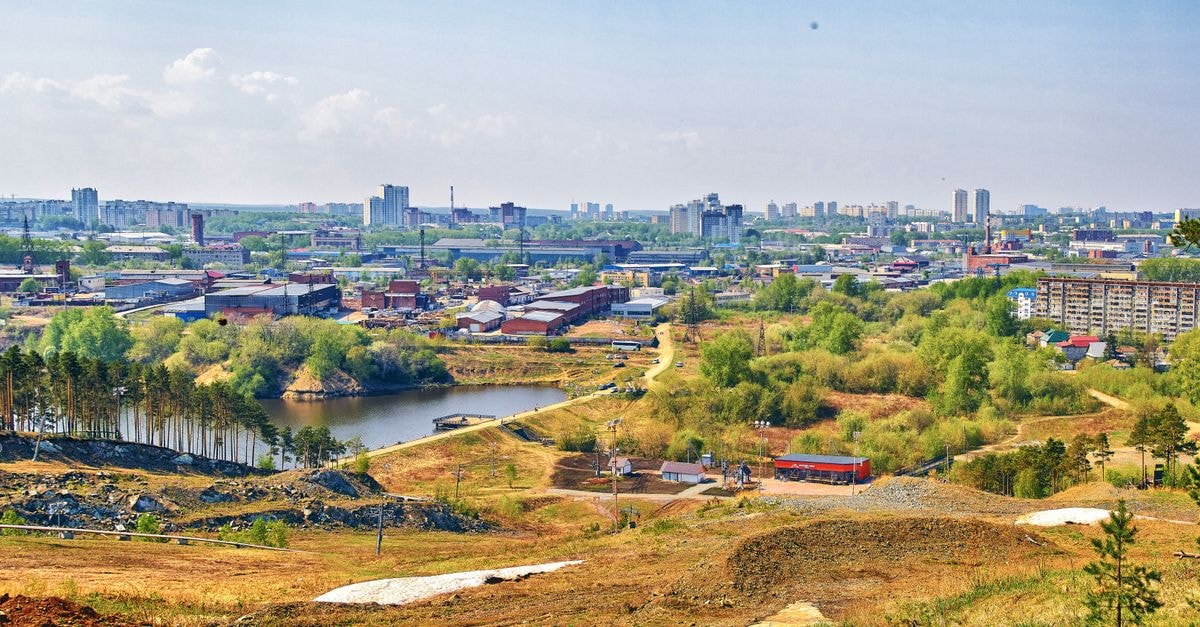
A first look at Cheboksary

Set along the wide curve of the Volga River, Cheboksary is the easygoing capital of the Chuvash Republic and a city that rewards travelers who prefer slow strolls and water views over big-city checklists. The skyline is unusually green for a regional capital, and the riverfront is genuinely the heart of town: a long, leafy promenade where locals walk, cycle, and pause to watch the light move across the water. Because the city is compact, a visitor can get a real feel for it in just a couple of days, taking in the mix of Soviet-era architecture, quiet parks, and small neighborhood life that sits between them.
What makes Cheboksary feel different from other Russian river cities is the way the landscape bleeds into the urban plan. The bay, the hills, and the surrounding forests are never far from sight, so even a short walk feels like a gentle escape. For travelers coming from Moscow or Nizhny Novgorod, the journey itself is part of the story: forests stretching out, rivers bending through plains, and the rhythm of the train opening into the calmer pace of Chuvash life.
Weather and seasonal context
Cheboksary's weather has a reputation for shifting moods, and locals will tell you that even summer evenings can turn cool. It is the kind of climate that rewards layering: a light jacket or knit in your day bag will save you when the breeze comes off the Volga after sunset, no matter the season.
The winter side of the calendar is serious and well-defined, with temperatures regularly dropping into a cold range that averages between roughly -8°C and -15°C. That means deep snow, frosted riverbanks, and a city that takes on a hushed, almost storybook quality. If you are coming from a milder climate, the cold is something to plan around with proper outerwear, warm footwear, and shorter outdoor blocks punctuated by warm-up stops.
By the time early autumn arrives, the average temperature settles into the low teens Celsius, around 12°C. The trees along the embankment start to turn, the light softens, and the riverfront becomes a comfortable place to linger. It is a good moment to take your time outdoors, but the same logic still applies: mornings can feel fresh, evenings cool quickly, and the weather can change within a single afternoon.
Getting around
Cheboksary is a comfortable city to move through without a car. The road network is straightforward, the central districts are walkable, and the public transport system is built around a few clear habits rather than a tangle of options.
The backbone of the city is its trolleybus network, which runs routes throughout Cheboksary and offers a sustainable, scenic way to get around. Riding a trolleybus is not just practical; it is also a quietly enjoyable way to see the city, since the routes thread past residential neighborhoods, parks, and the main civic areas at a human pace.
Three zones tend to function as natural meeting points and transfer hubs. The area around Ploshchad Respubliki, the central square, anchors the administrative and cultural side of the city. Cheboksary Bay, where the river curves in, is the scenic focal point and a common reference for both locals and visitors trying to orient themselves. The Central Bus Station pulls in regional and longer-distance arrivals, so it is the first landmark many travelers meet. Knowing these three names in advance makes planning a day much easier, because most routes and conversations will eventually circle back to them.
For short hops, walking is often the most rewarding choice. The distances between the main sights are small, the sidewalks are wide, and the topography gives you river views more often than you might expect.
Food and local context
Food in Cheboksary is framed by a regional identity rather than a single signature dish. The city's cuisine brings together Chuvash culinary traditions with broader influences from across the Volga region, so menus tend to read as a conversation between local and neighboring cooking rather than a list of famous specialties. For visitors, that means eating well is less about chasing one must-try plate and more about sitting down and noticing how the regional flavors come together on the table.
Eating out is also a way to feel the pace of the city. Meals are unhurried, portions are honest, and hospitality is treated as part of the experience, not an afterthought. That approach to sharing food and conversation is something travelers will recognize as a wider Russian rhythm, where the table itself is part of the welcome.
One practical note worth keeping in mind is that kosher food selections are extremely limited or essentially nonexistent in Cheboksary. Travelers who keep kosher should plan ahead and arrange their own supplies before arriving, rather than expecting to find suitable options on the ground.
Beyond the specifics of any one restaurant, what stands out is how food connects to the rest of the trip. Sharing a meal after a walk along the bay, or settling into a warm café after a cold afternoon on the river, is the kind of simple rhythm that gives a Cheboksary visit its shape.
A few last practical notes
Cheboksary works best as a city you wander rather than race through. Two or three days is enough to walk the embankment at different hours, settle into a café or two, and let the rhythm of the Volga set your pace. If you have more time, the surrounding countryside offers forests and river scenery that pair naturally with the city itself.
For transport, lean on trolleybuses for longer crossings and your own feet for the central districts. The three hub zones, Ploshchad Respubliki, Cheboksary Bay, and the Central Bus Station, will quickly become your mental map.
For the climate, always pack for a shift. Cool evenings can arrive even in warmer stretches of the year, and winter brings genuinely cold temperatures, so dressing in layers is never the wrong call.
For food, keep an open mind and a flexible appetite. The Chuvash blend on local menus is meant to be explored gradually, and the warmth of the welcome is part of the flavor.
A short note on accuracy: travel conditions, including transport details, opening hours, and food availability, can change over time. Before you travel, it is wise to verify current information through official sources and up-to-date local guidance so your plans match what is actually in place when you arrive.
Share this article
TOOLS FOR THIS PLAN
Make the Cheboksary plan measurable
Choose a tool only when it answers the next question in your trip. Your values stay in the browser, and each tool offers a route back to this planning context.