A first impression of Cheyenne

Cheyenne wears its Western identity without trying too hard. As Wyoming's capital city, it carries a certain civic pride that you can sense in the wide streets and the easy pace of downtown. The city is often introduced as a place where "legendary rodeos, historic architecture and lively cultural festivities" come together, and that framing is useful for any visitor trying to get a quick read on what makes Cheyenne feel different from other small American state capitals (F2-1). It is a place built on frontier stories, and the modern city still leans into that heritage while offering the kind of creature comforts and family-friendly stops that make for an easy, memorable visit (F2-2).
What surprises first-time visitors is how compact and walkable the core feels. The downtown area keeps its historic bones, and several local attractions cluster close enough together that you can mix museum time with a wander past landmark buildings without ever needing a long plan. For a traveler deciding whether Cheyenne deserves a stop, the honest answer is that it works best as a city with a strong sense of place rather than a checklist of big-name sights.
Weather and seasonal context
Cheyenne sits high on the plains, and that elevation gives the city a climate that visitors often describe in vivid terms. The local tourism messaging leans into the outdoor side of the experience, framing Cheyenne as a place where "new memories race for miles" and where trails, open space, and outdoor adventure are part of the everyday invitation (F3-1, F3-2). That framing matters because it tells you how locals think about their city: the outdoors is not an add-on, it is part of how Cheyenne introduces itself.
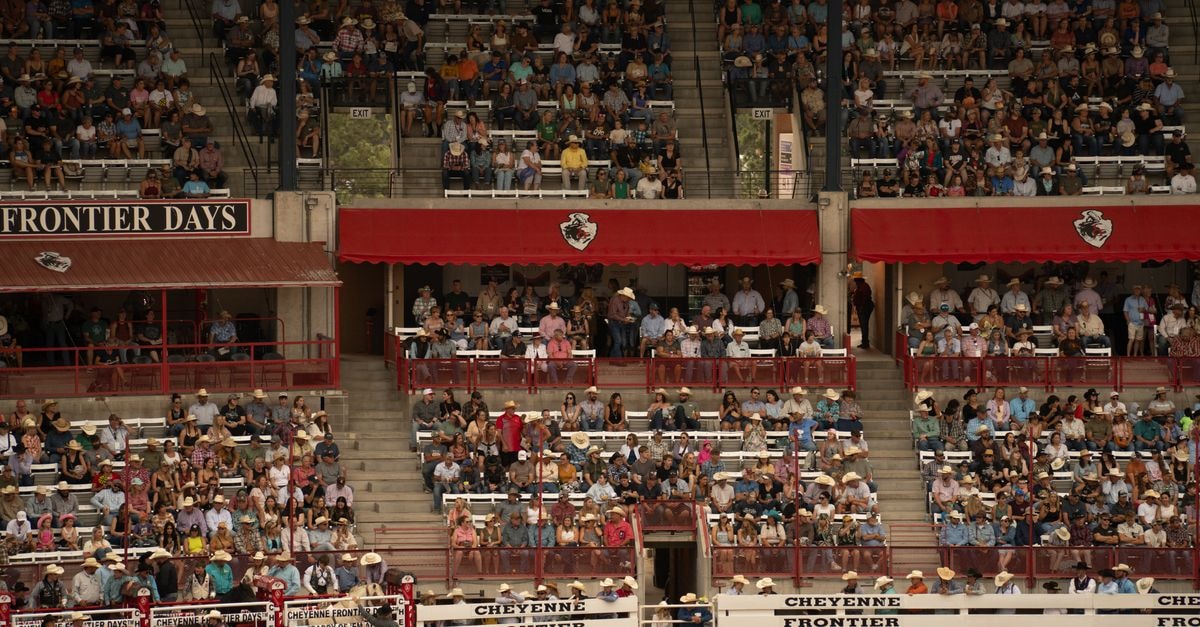
The city also has a deep tradition of large outdoor Western events. Cheyenne Frontier Days, known locally as the "Daddy of 'Em All," has been celebrating the spirit of the American West since 1897, and the event's longevity says a great deal about how the community treats its outdoor and Western heritage (F5-1). For a visitor, this is a useful cultural signal: when you are in Cheyenne, expect the weather and the open sky to shape the rhythm of your day, and expect locals to be genuinely proud of their outdoor traditions. Travelers who like fresh air and big horizons tend to feel right at home here.
Because exact conditions shift, it is worth thinking of the weather in practical terms. Layering is a sensible habit, sun protection matters at elevation, and outdoor plans benefit from a flexible pace. The city's identity is built around being outside, so visitors who plan time for slow strolls, photo stops, and relaxed outdoor moments usually get more out of the trip than those trying to race through a packed indoor schedule.
Getting around
Cheyenne is small enough that getting oriented is refreshingly simple. One of the most charming ways to start a visit is the Cheyenne Street Railway Trolley, which waits for new riders in downtown and offers a relaxed way to get a feel for the layout of the central area (F1-1). The trolley is as much an introduction to the city as it is transport, and it pairs naturally with a day of slow exploring on foot.
For context on what to see while moving around downtown, the Wyoming State Museum is a strong anchor point. Its exhibits cover everything from the area's "turbulent geological beginnings" to a chronology of human civilization in the region, giving visitors a clear sense of place before they wander further (F1-2). Because the museum sits within the central area, it fits easily into a walking loop that includes the trolley's route.
The city also rewards a slightly playful approach to navigation. Scattered across Cheyenne are more than 35 of the famous Cheyenne Big Boots, public art pieces that turn a simple walk into a small treasure hunt (F4-2). Finding them is a popular activity for families and curious travelers alike, and it doubles as a low-effort way to see more of the city's streets. A relaxed downtown plan might look like: ride the trolley for orientation, spend time at the state museum, then set out on foot to track down a handful of the Big Boots between other stops.
For travelers thinking about timing, the city's tourism messaging describes Cheyenne as offering "authentic Western experiences" alongside "modern-day attractions" for "memorable family moments," which suggests that a day or two in the core is enough to absorb the main character of the place without feeling rushed (F2-1, F2-2). Because transport specifics like schedules, fares, and current trolley operation can change, it is wise to confirm details locally before relying on any particular service on a given day.
Food and local context
Cheyenne sits firmly within the wider United States, and American food culture is often described as "a melting pot of flavors, reflecting the nation's diverse cultural heritage and regional specialties" (F6-1). Visitors approaching Cheyenne with that broader context in mind tend to find the dining scene familiar and easy to navigate, with the kind of variety you would expect from a state capital that draws travelers and road-trippers from across the country.
Thinking about food here as nationwide American context rather than a single regional specialty keeps expectations realistic. The "most popular dishes of United States of America" framework is a useful mental map for first-time visitors, because it reflects the kinds of menus, diners, and casual restaurants that travelers are likely to encounter in a city like Cheyenne (F6-2). That said, the approved evidence does not name specific Cheyenne restaurants, markets, or signature dishes, so it is better to arrive curious about local recommendations rather than searching for a single defining plate.
A practical approach is to treat meals as part of the Western atmosphere. Casual steakhouses, family-run diners, and classic American comfort food are common patterns in cities with this kind of heritage, and they pair naturally with the rodeo-and-frontier mood of Cheyenne. Asking locals for current favorites is usually the most reliable way to discover the spots that feel genuinely Cheyenne rather than generic.
Planning a thoughtful visit
The most rewarding way to experience Cheyenne is to lean into its character rather than fight it. That means allowing time for the trolley, the museum, the Big Boots hunt, and at least one long outdoor pause where you can take in the wide Wyoming sky. Travelers who appreciate history, Western culture, and a slower pace tend to feel particularly at home here, while those looking for a dense urban itinerary may want to pair Cheyenne with a broader regional trip.
Because details like opening hours, event schedules, trolley operations, and current conditions can shift, it is always wise to confirm specifics through official channels before finalizing a plan. Local tourism offices, the Wyoming State Museum, and city information points are the most reliable starting points for up-to-date information on what is running during your visit.
A final note for travelers
Factual travel conditions can change, so treat this guide as a starting point rather than a live itinerary. Confirm transport schedules, museum hours, and any event details close to your travel dates, and give yourself room to follow the recommendations of locals once you arrive. Cheyenne is the kind of city that rewards a flexible plan and a curious attitude, and that is usually the difference between a forgettable stopover and a genuinely memorable Western break.
Share this article
TOOLS FOR THIS PLAN
Make the Cheyenne plan measurable
Choose a tool only when it answers the next question in your trip. Your values stay in the browser, and each tool offers a route back to this planning context.