A city that leans into the senses

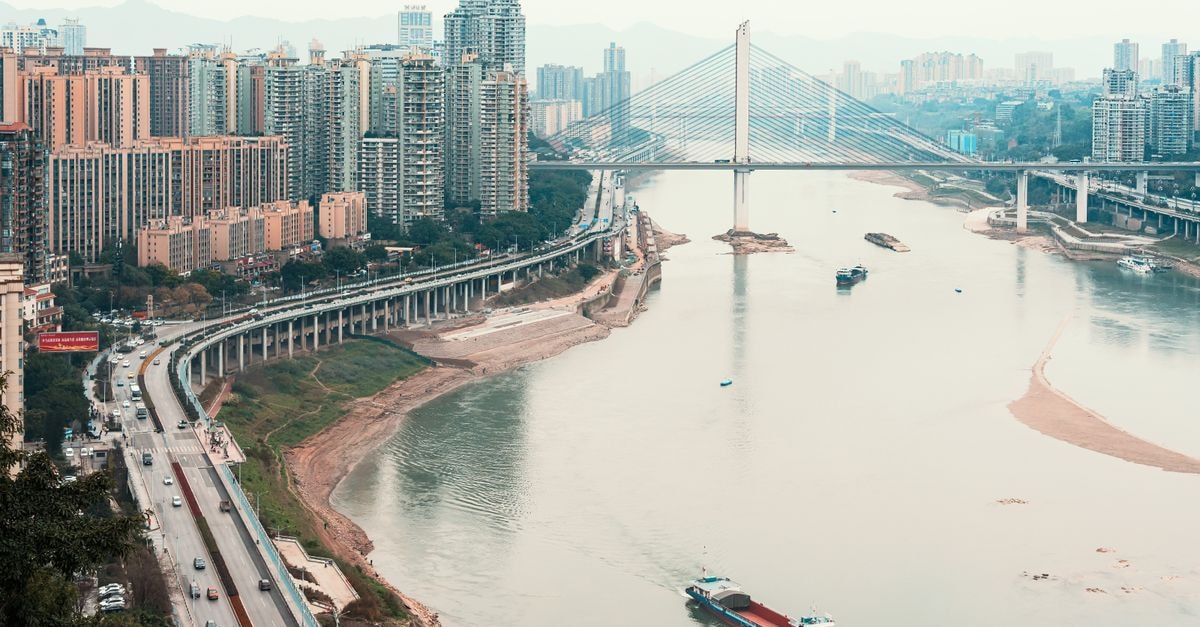
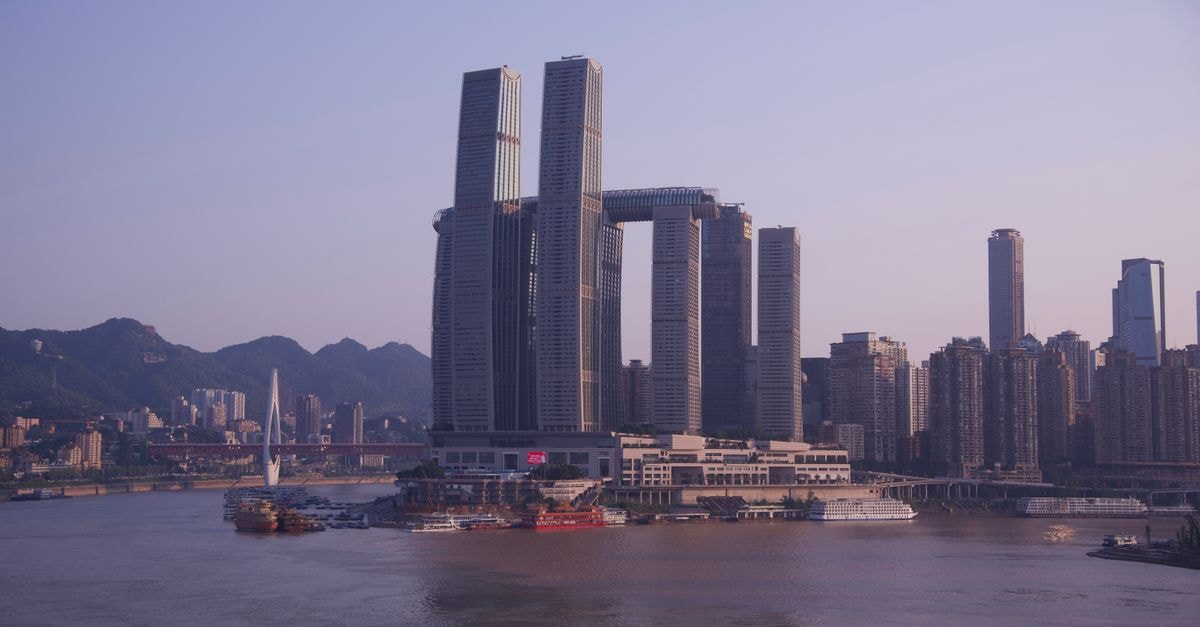
Chongqing has a way of announcing itself before you even leave the airport. The city sits where the Yangtze and Jialing rivers carve through steep hills, and its neighborhoods stack upward in terraces that you can read like chapters in a novel. The pace feels brisk, the air often feels humid, and the food culture tends to greet visitors with confidence rather than subtlety. This guide keeps things practical and evergreen: a set of ideas and logistics that help you plan a thoughtful visit without relying on a specific calendar date.
Weather and seasonal context
Travelers regularly describe Chongqing as one of the warmer, more humid cities in the region, and the summer months can feel especially intense. When the weather gets hot, the usual instinct is to reach for an iced drink, but that can clash with the local cuisine. The combination of cold drinks and heavy, spicy Chongqing food is widely regarded as tough on the stomach, so pacing yourself matters more than grabbing the coldest option on the menu.
Because the heat can shape the whole rhythm of the day, building an itinerary around it is a useful approach. Plan slower outdoor moments for the cooler edges of the day, keep indoor stops like museums in the middle stretch, and save energy for the evening when the city lights up and the air tends to feel a little more forgiving. Planning the right activities and itinerary is key when visiting Chongqing in summer heat, since the city famously asks visitors to match its energy on its own terms.
Food and local context
Chongqing's food culture is unapologetic. The local culinary identity leans bold, numbing and unmistakably spicy, and traditional dishes are designed to make an impression rather than whisper. The city is famous for an attitude that could be summed up as "doesn't do subtle," and visitors tend to find that the food announces itself first, then kindly asks if you want seconds.
That confidence shows up in the cooking, in the way meals are shared, and in the sheer variety of textures and heat levels on offer. If you are new to this style of eating, it helps to pace yourself, ask about milder versions where available, and balance heavier dishes with lighter sides. The food culture rewards curiosity, but it also rewards pacing.
Attractions and planning
Chongqing rewards travelers who plan in layers, both literal and figurative. The cityscape itself is one of the main attractions, because the hills, rivers and stacked neighborhoods create views that change with every bend in the road.
For a calm indoor stop, the Three Gorges Museum can be worth considering as a cultural stop before any river journey out of the city, since visitors can visit it before boarding. It sets the historical and geographic stage for the region and works well as a mid-day break when the weather feels intense.
For an outdoor perspective, Eling Park is widely considered one of the best places to take in Chongqing's layered cityscape in the daytime. The elevation gives you a clear read on how the city is built into the hills, with rooftops, bridges and river views all sharing the same frame.
When thinking about how many days to spend, the honest answer is that the city rewards a slow approach. Layered cities are not meant to be skimmed, and Chongqing in particular tends to reveal more the longer you stay. A flexible plan that leaves room for spontaneous stops along the river or in a hillside neighborhood usually beats a tightly packed schedule.
Getting around
Within Chongqing, getting out to major cultural sites often means choosing between public options and a private car. To visit the Dazu Rock Carvings, for example, a direct shuttle bus from Jiefangbei or a private car is recommended; a private car serves those who prefer a more flexible schedule. Either way, the decision between bus and car usually comes down to how much time you want to spend on logistics versus sightseeing.
Inside the urban core, the city's terrain encourages a mix of transport modes. Metro lines, taxis and local buses handle the flatter stretches efficiently, while the stairways, escalators and elevated walkways between neighborhoods are part of the everyday experience. Walking is rewarding, but it is also more vertical than in most cities, so comfortable shoes and a patient pace make a real difference.
A note on planning
Chongqing is a city that asks visitors to slow down just enough to notice what is actually there. The food culture is loud and proud, the skyline is layered rather than flat, and the transport system quietly links you to a much wider region if you want to explore further. A good visit usually means balancing bold meals with calmer indoor stops, leaving room for parks and viewpoints, and choosing transit options that match your energy for the day.
Factual travel conditions can change, so it is always worth checking official channels before departure for the latest transport schedules, opening hours and weather updates. Rates, prices and service availability shift over time, and a quick verification step before you travel is the simplest way to keep your plans accurate.
Share this article
TOOLS FOR THIS PLAN
Make the Chongqing plan measurable
Choose a tool only when it answers the next question in your trip. Your values stay in the browser, and each tool offers a route back to this planning context.