A slower kind of arrival in Cibitoke

Northwestern Burundi has a way of meeting visitors quietly, and Cibitoke is a good example of that mood. Set among green hills and small farming communities, the town offers a glimpse of Burundi's rural rhythm, where terraces, footpaths and village life shape the everyday scenery. For travelers who prefer walking and conversation over long checklists of monuments, it can feel like stepping into the country at a comfortable pace, with the landscape itself as a recurring point of interest.
The Cibitoke travel guide below leans into that atmosphere. It focuses on what is genuinely documented for the town: easy hillside walks with valley viewpoints, traditional music and craft culture, and the kind of simple local meals that pair naturally with a day spent outdoors. Visitors looking to slow down, listen and observe will find plenty of texture here.
Getting around and finding the trails
Moving through Cibitoke is best approached on foot or with the help of local guidance, because the terrain itself is the main attraction. One of the most inviting ways to spend a day is to follow the hillside trails that wind through the area's green terraces. These are described as easy hikes, accessible to most visitors who are comfortable walking on uneven ground, and they reward the effort with viewpoints that open out over misty valleys. The landscape does most of the talking, so travelers who enjoy photography, sketching or simply sitting quietly with a view will find the pace agreeable.
A few practical considerations are worth keeping in mind. Trails around the hills are best explored during daylight hours, and local advice on current path conditions is always useful before setting out. Comfortable walking shoes, water and a light layer for shifting weather on higher ground are sensible companions. Because Cibitoke sits within a working agricultural region, paths often pass close to small farms, and a respectful, curious approach to villagers you meet along the way tends to be welcomed.
Food and local context
Food in Cibitoke tends to be straightforward, hearty and tied closely to the land. Local dishes mentioned in traveler sources include mukeke, a grilled fish preparation, served alongside plantains, a staple across the region. These are the kind of meals that feel built for a long day outdoors: filling, simple and rooted in the surrounding rivers, fields and kitchen gardens. For travelers who prefer eating where ingredients are familiar and the cooking is honest rather than elaborate, this style of food is one of the pleasures of a visit.
The dining experience is also part of a wider cultural picture. Cibitoke is described as a place with a serene atmosphere and authentic charm, where visitors can engage with the rhythms of Burundi's rural life. Meals are often shared in modest settings, whether that means a small local eatery, a roadside stop or a plate offered in the context of a community visit. Approached with patience and an open appetite, eating here becomes less about ticking off restaurant lists and more about understanding how people actually live.
Music, craft and village encounters
Cibitoke's cultural texture is woven into its daily life. Visitor descriptions highlight vibrant drumming performances, a tradition that runs deep across Burundi and is especially lively in community gatherings. Hearing the drums in person, rather than through a recording, adds a layer to a trip that no guidebook summary can really capture. Travelers with an interest in music, rhythm or ceremony may want to ask locally about any current or upcoming performances, since these tend to be community-led rather than scheduled on a fixed tourist calendar.
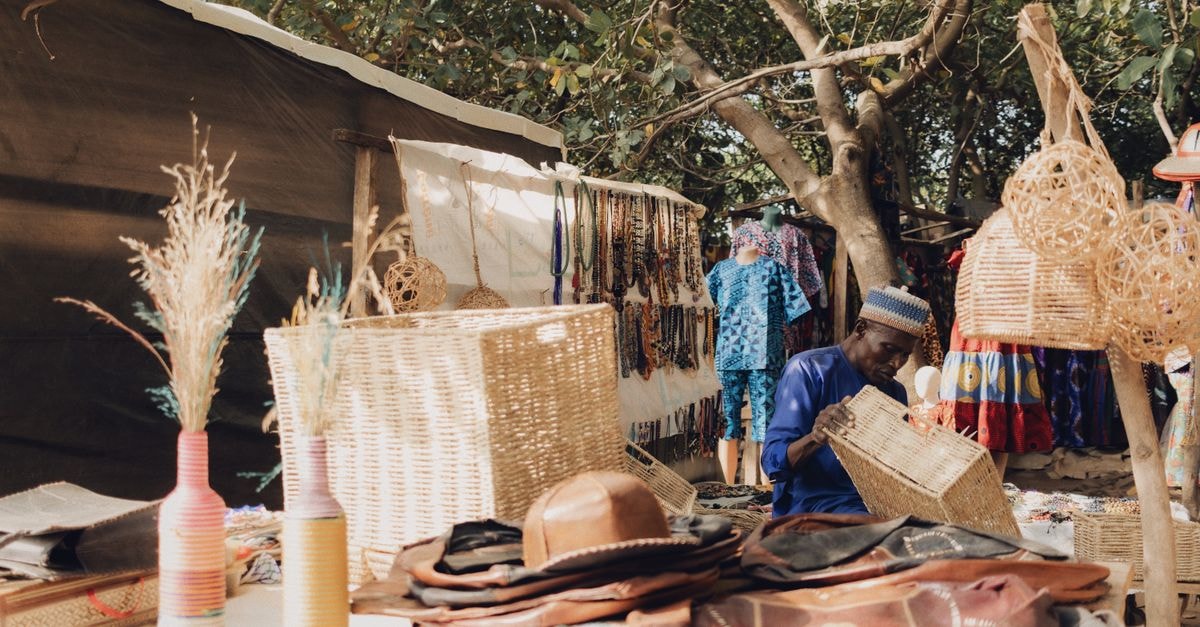
Craft is another quiet highlight. Artisans in the area are noted for weaving intricate baskets, a skill that is both functional and artistic, used at home and sold to visitors who appreciate handmade goods. For travelers who enjoy supporting local makers and bringing home something with a real story, a small basket can be a meaningful souvenir. Conversations with weavers are usually welcomed and offer a window into techniques passed down through generations.
Taken together, the hills, the meals, the drums and the baskets form a single atmosphere rather than separate sights. Cibitoke is the kind of place where the experience is cumulative, rewarding travelers who move slowly and let the day unfold.
Choosing what fits your trip
Because Cibitoke is best read as a slow, landscape-led destination rather than a checklist of landmarks, the shape of the visit can be tailored fairly easily. Travelers who enjoy light walking and panoramic views may want to give the hillside trails a full morning, pairing the hike with a simple local lunch of mukeke and plantains afterward. Those with a stronger interest in culture can prioritize an evening with drumming and a visit to weavers, while treating the trails as a quieter interlude. Because specific venue names, performance schedules and craft prices are not part of the documented record here, a short conversation with a local host or guide about what is happening during your stay is a sensible step before committing to any plan.
A note before you go
Factual travel conditions can change, and the details above are intended as a durable starting point rather than a final itinerary. Trail access, the presence of drumming events and the availability of specific dishes can vary with the season, local events and community schedules. Before traveling, it is worth checking current advice from official channels and speaking with local hosts or guides about what is open and what is running during your visit. With that small bit of preparation, Cibitoke offers a genuinely memorable window into Burundi's rural northwest.
Share this article
TOOLS FOR THIS PLAN
Make the Cibitoke plan measurable
Choose a tool only when it answers the next question in your trip. Your values stay in the browser, and each tool offers a route back to this planning context.