Setting the scene in Cilegon

Cilegon sits on the western tip of Java, a working harbor city in Banten province that most travelers experience as a waypoint rather than a destination. It is the kind of place where the rhythm is shaped by industry, ferries, and the road that traces the north coast. If you are planning to visit Cilegon, this guide focuses on the two things you will actually use while you are here: how to move around, and how to think about the food you encounter.
The city reads quickly. There is a port at Merak, a train station that links Cilegon to the wider rail network, and a road grid that ties them together. Beyond those practical anchors, the travel experience is less about ticking off landmarks and more about understanding the flow of the place. That is what makes a short visit manageable: knowing how to get in, get around, and eat.
Getting around
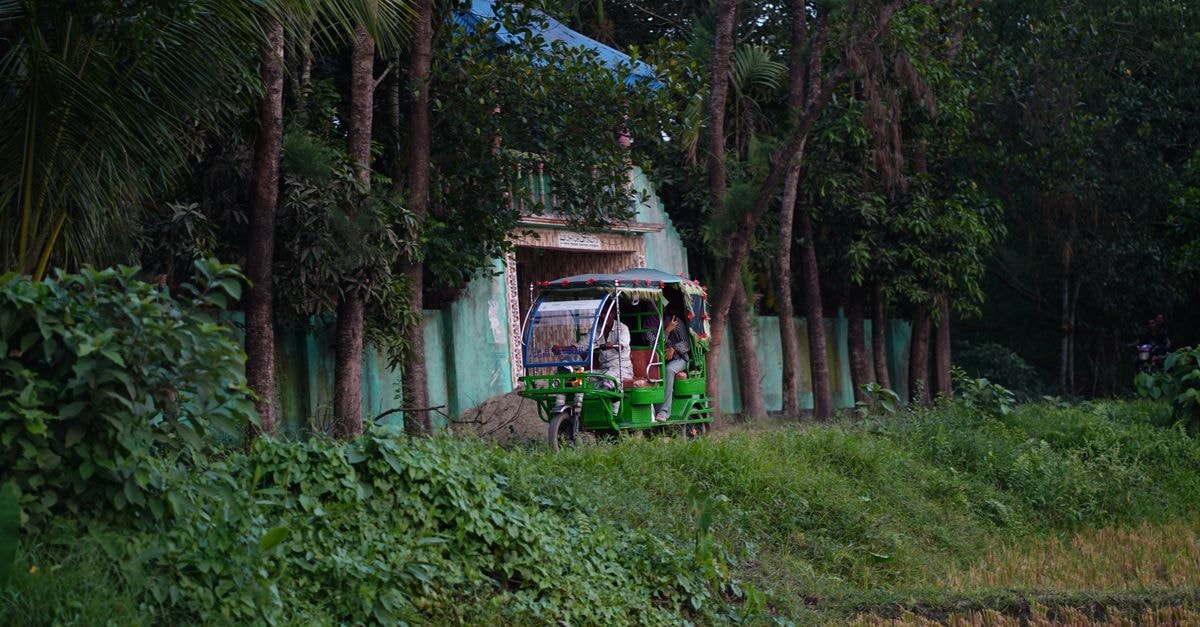
For most visitors, getting around Cilegon is a matter of mixing two or three simple options rather than relying on a single system. The local city bus network is the everyday backbone. City buses connect major points within Cilegon, which means they are the most straightforward way to move between the bus terminal, the central districts, and the main roads without needing to negotiate a private car. If you are the kind of traveler who likes to use public transport as a way to read a city, starting with a city bus is a sensible opening move; if you prefer door-to-door convenience, especially with luggage, you will probably want to keep a taxi or ride-sharing app in reserve.
The other important pair of arrival and departure points are Merak Port and the Cilegon train station. Taxis and ride-sharing services are available from both Merak Port and Cilegon train station, so as soon as you step off a ferry from Sumatra or off a train from elsewhere on Java, you have a direct way to reach a hotel, the bus terminal, or another part of the city. This is worth knowing in advance because it removes the need to figure things out on the spot when you are tired from a crossing or a long rail journey.
If you are arriving in the region by air, there is also a direct bus from Jakarta's Soekarno-Hatta International Airport to the bus terminal in Cilegon, operated by DAMRI. For travelers who would rather skip a Jakarta hotel and head straight toward western Java, that single coach can be a quiet win, particularly if you are already comfortable landing, collecting bags, and transferring between terminals on your own. If you are not, the train station and port routes are usually the simpler mental model.
One useful way to picture Cilegon on the map is as a node on the north coast road that runs toward Anyer to the west and Banten town and points east along the same coast. This city travel guide to Cilegon is a usable anchor: the same road that brings you in also carries you out, and the bus network, taxis, and ride-sharing services all feed into it. If you are routing onward along the coast, the bus terminal is the place to start thinking about your next connection.
A small habit that tends to help in Cilegon is treating the day in two halves. Mornings often work well for longer bus rides or a port transfer, while the late afternoon and evening are easier for short hops by taxi or ride-share once traffic thickens. None of this is a rule; it is just the kind of pacing that fits the way a working harbor city actually moves.
Food and local context
Cilegon has a varied food scene, and descriptions of the city's signature dishes describe them as diverse with a strong flavor profile. That is a useful starting point for visitors, because it signals two things. First, the food you find here is not one-note; you can expect a range of textures and tastes rather than a single dominant style. Second, because the cooking draws on a wide palette, you do not need to hunt for a specific restaurant to eat well. Small warungs, street stalls, and family-run places often do as much of the talking as any named venue.
For travelers, the practical takeaway is that eating in Cilegon is more about repetition than research. Trying a few different local spots over the course of a stay tends to be more rewarding than pinning the whole visit on one recommendation, especially because the variety of dishes means each place tends to have its own strength. If you have a dish you particularly enjoy, asking locally what it is called here and where to find it can lead to better meals than a guidebook checklist.
It is also worth keeping in mind that the wider Indonesian context shapes what you will find on the table. Across Indonesia, eating is often a shared activity, meals are commonly served with rice, and street food is part of daily life rather than a tourist category. That wider context is what visitors will encounter while in Cilegon, and it explains why the food scene feels integrated into the city rather than set apart from it. It does not, however, tell you which stall or warung is the right one on any given day; that is still worth checking on the ground.
A simple rhythm works well in practice. Start the day with something light from a nearby warung, take a longer lunch once you have settled into your plans, and use the evening to try a dish you have not seen before. If you are moving on after a short stay, a single relaxed meal in the city, chosen by walking past a few options and seeing what looks fresh and busy, is often a better use of time than overplanning.
Picking the right approach for your visit
The way you experience Cilegon depends less on the city itself and more on what kind of stop you are making. If you are passing through on the way to or from Merak Port, the train station, or the DAMRI bus from Soekarno-Hatta, your main decision is how you want to handle that single transfer, and whether you want to step into the city at all. For travelers who prefer a structured arrival, the direct airport bus or a pre-booked ride from the port will feel calmer than improvising on the curb. For travelers who like to read a place by its transit, a city bus ride from the terminal into the center is a fair trade for a slower start.
If you are staying a little longer, the balance shifts toward pacing. Mixing city buses for longer crossings with taxis or ride-sharing for short hops tends to suit visitors who are carrying bags, while travelers with lighter days may simply walk more and use ride-share only in the evening. Either way, the food scene rewards variety: eating in more than one place, and being open to trying dishes described locally as having a strong flavor profile, will give a fuller picture than sticking to a single spot.
A final note before you go
Travel conditions in any working city change over time. Bus routes, taxi and ride-sharing availability, and the mix of food options around Cilegon can shift, so it is worth checking current information through official channels and local sources before you travel. The factual details in this guide are meant as a starting framework rather than a final answer, and a little on-the-ground confirmation will go a long way toward a smooth visit.
Share this article
TOOLS FOR THIS PLAN
Make the Cilegon plan measurable
Choose a tool only when it answers the next question in your trip. Your values stay in the browser, and each tool offers a route back to this planning context.