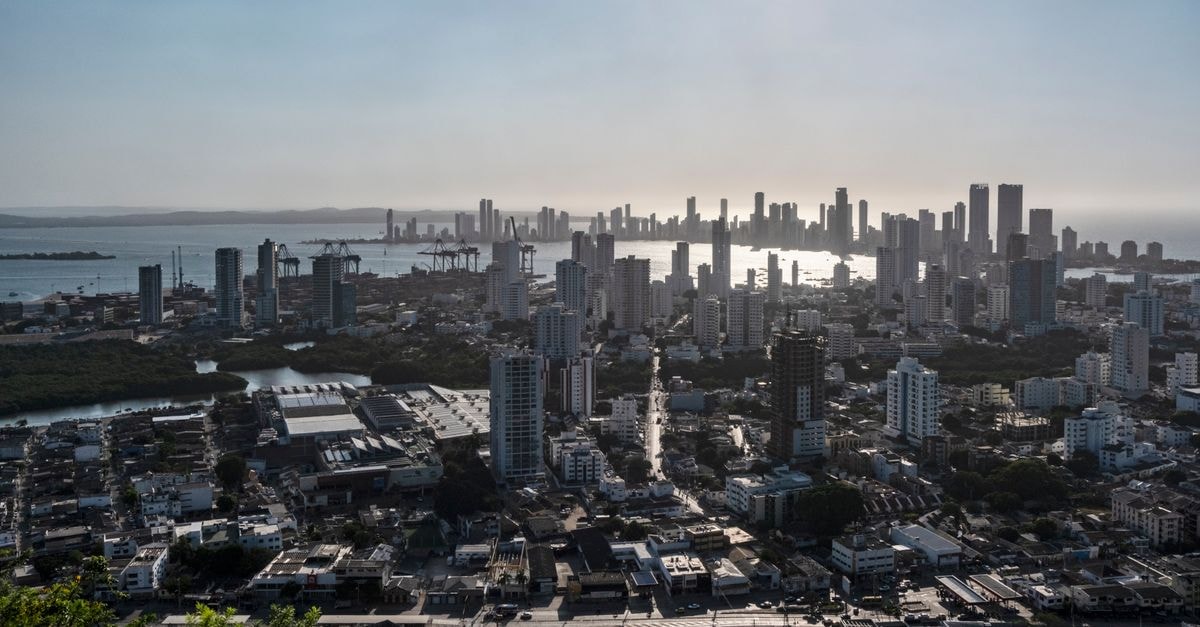
Ciudad Bolívar has the kind of presence that settles over a traveler slowly. Set along the southern bank of the Orinoco River, the capital city of Bolívar state wears its history lightly, with pastel facades, a relaxed pace, and a riverfront that draws the eye back again and again. This guide gathers the essentials for independent travelers who want to arrive informed, move with intention, and taste the city without overplanning every hour.

Getting around
Most visitors arrive overland or by air, and the city's road connections shape how the trip feels on the ground. Ciudad Bolívar is served by route 16 to the northeast toward Anzoátegui, and a fast highway links it southward to Puerto Ordaz and Ciudad Guayana, which is helpful if you are continuing your journey by rental car. Regular service from Maiquetía/Caracas was historically offered by Rutaca Airlines; check current options before booking.
Once in the city, public transportation is generally not accessible for travelers with mobility challenges, so plan around that limitation if stairs, steps, or boarding without assistance are part of your day. Taxis are commonly cited as a more convenient and typically safer option than public buses for visitors, especially when they are pre-arranged through your accommodation or a known local contact rather than hailed on the street. If you prefer to keep your day flexible and minimize walking between modes, taxis paired with a short walk to the riverfront or the main plazas tend to be the simplest combination.
Attractions and planning
Ciudad Bolívar rewards unhurried exploration. The city sprawls along the Orinoco's southern bank, and the river itself functions almost like a slow companion to the trip: visible from multiple angles, easy to return to, and a natural anchor for the day. Top attraction lists for the city generally span historic streets, civic squares, and Orinoco-side viewpoints, so a thoughtful approach is to pick two or three anchor sights and let the rest of the day unfold around them rather than racing between stops.
Seasonal context can matter here. Ciudad Bolívar glows between December and April, when trade winds scrub skies clean and temperatures hover in the low thirties, which can suit travelers who prefer clearer skies and warmer-but-not-overwhelming conditions. Outside that window the city takes on a softer, greener feel; the Orinoco feels closer and the days can feel heavier, so consider pacing mid-afternoon with shade or a long lunch rather than back-to-back outdoor stops.
If you love river views and golden-hour light, build one evening around the waterfront so the day has a quiet peak. If you prefer a more museum-and-monuments pace, cluster civic sights close together on foot and save the river for a calm closing walk. Travelers who would rather not climb should be aware that the documented accessibility note applies to public transport; attraction-specific access at any individual site is worth confirming locally before you go.
Food and local context
Eating in Ciudad Bolívar is one of the easier parts of the trip to enjoy without a plan. Budget eateries and street food locations are abundant throughout the city, especially around bustling markets near Paseo Orinoco and at crowded intersections where foot traffic gathers in the late morning and again toward evening. That density makes it simple to graze your way through a day rather than committing to one long formal meal, which can suit travelers who would rather taste several small things than settle into a single dining room.
The city's food scene reflects a broader Venezuelan heritage, with traditional plates drawn from regional cooking. Think of the table here as an extension of the country's kitchen rather than a sealed-off local tradition: arepas, hearty soups, river-fish preparations, and sweet corn-based snacks tend to show up in different forms across menus, and the specific dish of the day often depends on which fonda or market stall you wander into. Nationwide dining customs may include unhurried lunches, late dinners by hours, and a generally social approach to meals; visitors who enjoy lingering over coffee or sharing small plates may find that rhythm especially comfortable.
If you prefer structure, the area around Paseo Orinoco is a useful anchor: walk once to get oriented, note a few places that look appealing, and return for a meal. If you would rather follow your appetite, let the busiest intersections guide you and trust that the abundance around markets means a good plate is rarely far away.
Choosing what fits the trip
Because the city's transport and attractions each carry their own constraints, a little upfront honesty goes a long way. Travelers who value flexibility and minimal walking between modes tend to pair pre-arranged taxis with two to three clustered anchor sights per outing, leaving room for a slow riverfront pause. Travelers who would rather graze through the day than sit down to long formal meals find the markets and street-food density around Paseo Orinoco a natural fit. And visitors sensitive to heat and humidity may prefer the December-to-April window for clearer days, while those who enjoy quieter streets, lusher surroundings, and a softer pace may appreciate the rest of the year, with lighter midday plans.
A note before you go
Practical details shift over time. Flight schedules, road conditions, taxi availability, market layouts, and the day-to-day rhythm of restaurants can all change between guides, so treat this overview as a starting frame and confirm specifics with your accommodation, a local contact, or official channels shortly before travel. If a detail is essential to your day, spend a moment verifying it, which keeps the slow Orinoco mornings feeling relaxed rather than rushed.
Share this article
TOOLS FOR THIS PLAN
Make the Ciudad Bolívar plan measurable
Choose a tool only when it answers the next question in your trip. Your values stay in the browser, and each tool offers a route back to this planning context.