A quieter corner of Guatemala's central highlands

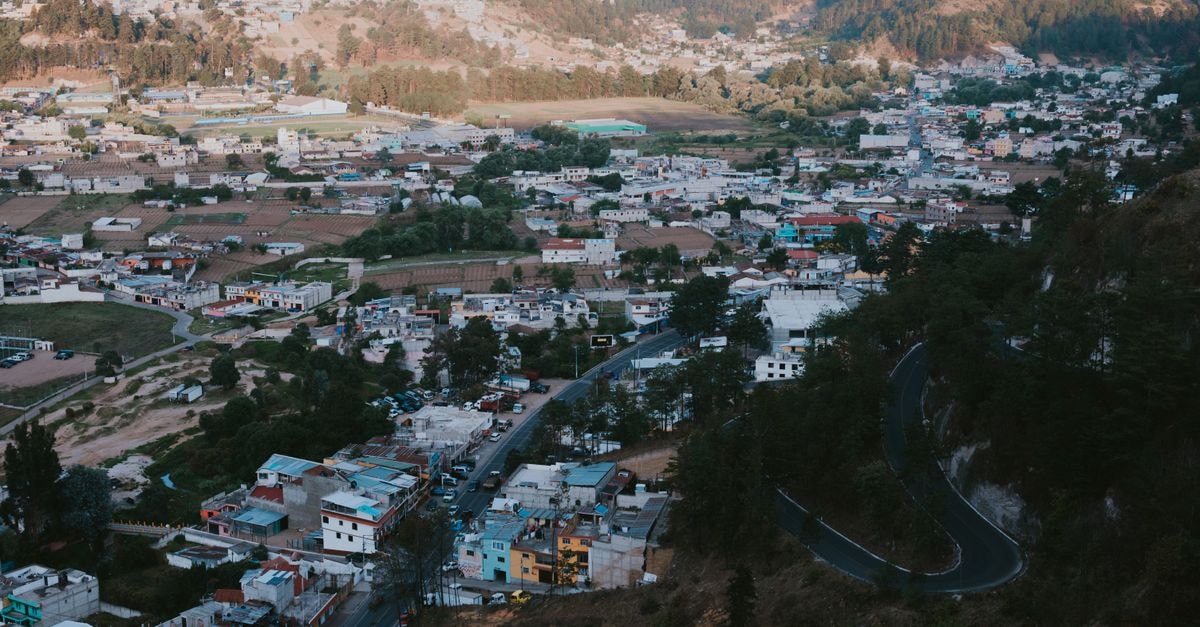
Cobán has a way of catching travelers off guard. Tucked into the central highlands of Alta Verapaz, it sits north of Guatemala City and west of Río Dulce, in a part of the country where the mountains begin to feel wilder and the air turns noticeably greener. Roads begin to climb, the fog rolls through the valleys, and the rhythm of daily life slows in a way that feels far removed from the busier lowland routes.
The city's nickname, **Ciudad Imperial**, dates back to its founding in 1538, when the Spanish crown gave it that imperial title. That heritage still lingers in the atmosphere today, but Cobán does not lean on history the way some colonial cities do. Instead, it offers something rarer: a highland setting that feels both storied and genuinely unhurried. For travelers who like places with a sense of place but without the crowds, that combination is the whole appeal.
This guide focuses on what is genuinely useful before a trip: how the seasonal mood of Cobán shapes a visit, and how to think about simply arriving and moving around once you are there.
Weather and seasonal context
Cobán does not behave like a typical Central American city when it comes to weather. Because it sits up in the mountains of Alta Verapaz, the climate leans cool and misty for much of the year, with frequent cloud cover and regular rainfall that keeps the surrounding hills lush and green. Mornings often open with fog drifting through the valleys, and afternoons can shift between soft sun and sudden showers, even within the same day.
That moisture is part of what makes the landscape feel so alive. Trails, gardens, and roadside viewpoints all look different when the air is wet and the light is low. The trade-off is that a light waterproof layer and slightly slower pacing tend to serve visitors well. Packing a breathable rain jacket rather than relying only on an umbrella makes moving around far more comfortable, since showers can arrive quickly and the terrain is rarely flat.
Because the weather can shift several times in a single day, it can feel less like a destination you plan around and more like one you simply adapt to. Checking a short-range forecast the morning of each outing helps, and treating the mist itself as part of the scenery, rather than an obstacle, tends to make the experience much more rewarding.
Getting around
Cobán's setting is one of the first things visitors notice. The city sits where the mountains start to feel wild, with roads that climb, dip, and curve through green ridges rather than running in straight, fast lines. Distances that look short on a map can take longer than expected, partly because of the terrain and partly because routes often wind through small highland communities along the way.
That geography shapes almost every transport decision. Travel into and out of Cobán from Guatemala City tends to involve winding mountain roads, so leaving earlier in the day is often more pleasant than a late departure, both for the light and for the traffic patterns on the climbs. Local movement within the city is more straightforward, but the surrounding hills mean that even short trips outside the center can feel more like a journey than a quick errand.
For travelers who like to wander on foot, the central parts of Cobán are walkable, though the elevation and the frequent mist can make even a casual stroll feel like more of an outing than expected. Taking it slowly, layering clothing, and allowing extra time between stops all tend to pay off here. The reward is a place where the journey itself feels like part of the experience.
How to use this guide
Because Cobán rewards a slower pace, the most useful way to approach a visit is to think in terms of a few unhurried days rather than a packed list of stops. Use this guide as orientation rather than a checklist: get a feel for the seasonal mood, plan your transport with the terrain in mind, and leave room in the schedule for the weather to set the rhythm of the day.
Factual travel conditions can change over time, so it is always wise to confirm current transport options, road conditions, and any local guidance through official channels before departure. The information here is meant to help you arrive prepared, not to replace up-to-date local advice.
Share this article
TOOLS FOR THIS PLAN
Make the Coban plan measurable
Choose a tool only when it answers the next question in your trip. Your values stay in the browser, and each tool offers a route back to this planning context.