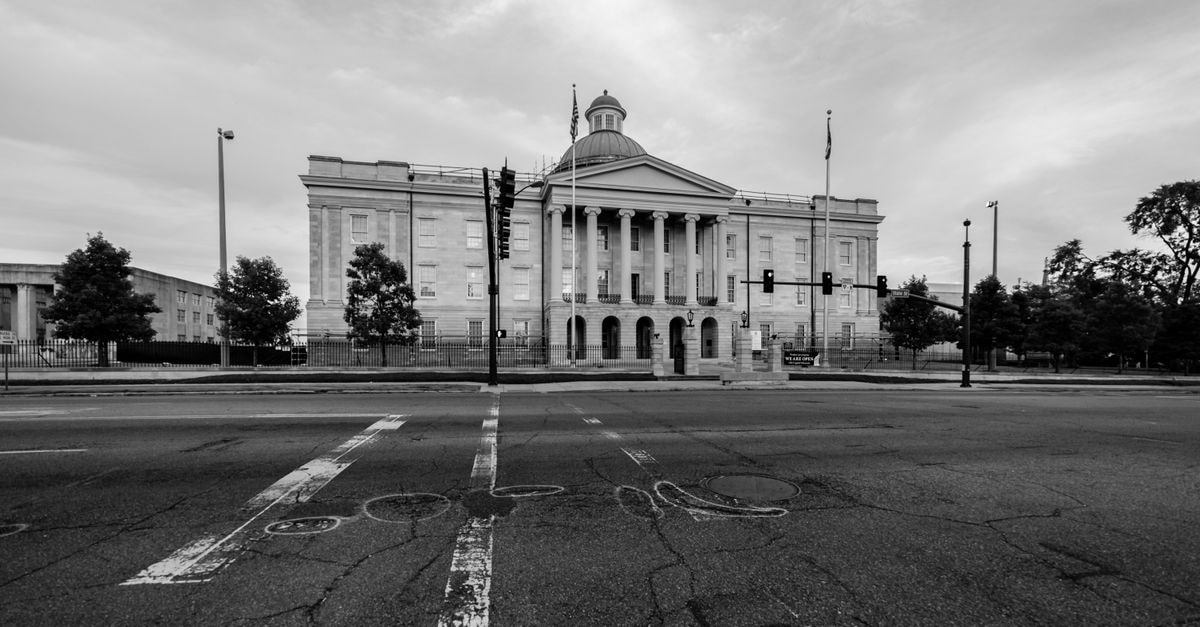
A first look at Colima

Colima sits in the western heart of Mexico, a small state capital with the kind of unhurried rhythm that rewards travelers who like to slow down. The city carries a noticeable Spanish architectural imprint, and its food scene leans on that heritage too. What makes Colima distinctive is the conversation between the urban core and the surrounding landscape — the Pacific coast is within reach, and the silhouettes of the volcanoes define the skyline on clear days. For visitors who want a quieter base than Mexico's biggest tourist magnets, the city offers an easy entry point: a compact airport, a manageable downtown, and a cultural layer that runs deeper than its size suggests.
This guide focuses on the practical scaffolding a traveler needs first — getting from the airport into the city, planning museum time, and understanding the food culture you'll encounter on menus and in markets.
Getting to and from Colima Airport
Colima's airport is officially **Colima Airport (CLQ)**, with the IATA code CLQ and ICAO code MMIA. It functions as a regional gateway for the state capital, and because the facility is compact, the transition from gate to ground transport is straightforward.
The most immediately available option on arrival is an **official airport taxi**, which operates a ticket-based system. Travelers pick up a voucher from the designated counter before heading to the vehicle queue, which removes the need to negotiate a fare on the spot. Door-to-door service from the Arrivals hall is the defining advantage of this option — particularly welcome if you're carrying luggage or arriving after a long travel day.
If you prefer app-based rides, Uber does operate in Colima, though airport pickups can be inconsistent. Travelers who prioritize convenience and certainty may want to default to the official taxi on arrival and reserve rideshare use for in-city trips where pickup points are easier to manage. For the budget-conscious, a public bus is also listed among available options for getting into the city center; it's the cheapest route but typically involves more waiting time and a walk from the stop to your accommodation.
A private transfer can be arranged in advance through a tour operator or hotel, which may suit travelers who value a guaranteed pickup and a pre-set price. Rental cars are also available at the airport, which can be worthwhile if your plans extend beyond the city center and you want flexibility on the road.
Attractions and planning your museum days
Colima's cultural footprint shows up most clearly through its museums. The state has **9 museums in total**, and the city itself is the natural starting point for exploring them. Because the count is modest, travelers can treat the museum circuit as a structured day or two rather than an overwhelming checklist.
If you're the kind of traveler who likes to design a trip around a few anchor experiences rather than racing through a long list, Colima's museum density suits that pace well. Consider grouping two or three institutions into a single morning or afternoon, leaving breathing room for a long lunch or a walk through a nearby plaza. Travelers who prefer not to spend every day inside should plan one focused museum block and balance it with outdoor time elsewhere in the city.
One practical question worth resolving before you travel: confirm opening days and current hours directly with each museum, since schedules can shift and smaller institutions sometimes close on Mondays or for holidays.
Food and local culinary context
Colima's traditional cuisine is one of the city's quiet highlights. Local gastronomy stands out for a **marked Spanish influence** and a generous variety of **splendidly seasoned dishes**. The range is wide: you'll find **meat, seafood, and vegetables** all represented in the regional repertoire, which means menus in the city tend to offer something for most appetites.
The most iconic local dish you'll encounter is **Colima ceviche**, which has become emblematic of the state's food identity. Beyond that, the seafood tradition is strong enough that the broader region markets itself around marine flavors — the neighboring coastal city of Manzanillo, for instance, is officially known as the **Water Sailfish Capital of the World**, and that fishing heritage shapes what shows up on plates across the state.
For travelers, this means two useful orientations when you sit down to eat. First, ask about the day's ceviche preparation — it's the clearest expression of local taste and almost always a good test of a kitchen. Second, if seafood is your interest, lean into the coastal supply chain; dishes featuring fresh catch are widely available rather than limited to specialty restaurants.
Putting it together
The natural shape of a Colima trip depends on how much you want to layer in. A simple structure works well: arrive via the official airport taxi or a pre-booked transfer, settle into a hotel near the center, and dedicate your first full day to a focused museum walk. Build a second day around food — a market browse, a ceviche lunch, and an evening meal that leans into the seafood tradition the region is known for. Save any extra days for a slower exploration of plazas, gardens, and the city's everyday streets.
Factual travel conditions can change, and official channels should be checked before departure for the latest information on transport, museum hours, and dining availability.
Share this article
TOOLS FOR THIS PLAN
Make the Colima plan measurable
Choose a tool only when it answers the next question in your trip. Your values stay in the browser, and each tool offers a route back to this planning context.