A Cathedral City on the Rhine

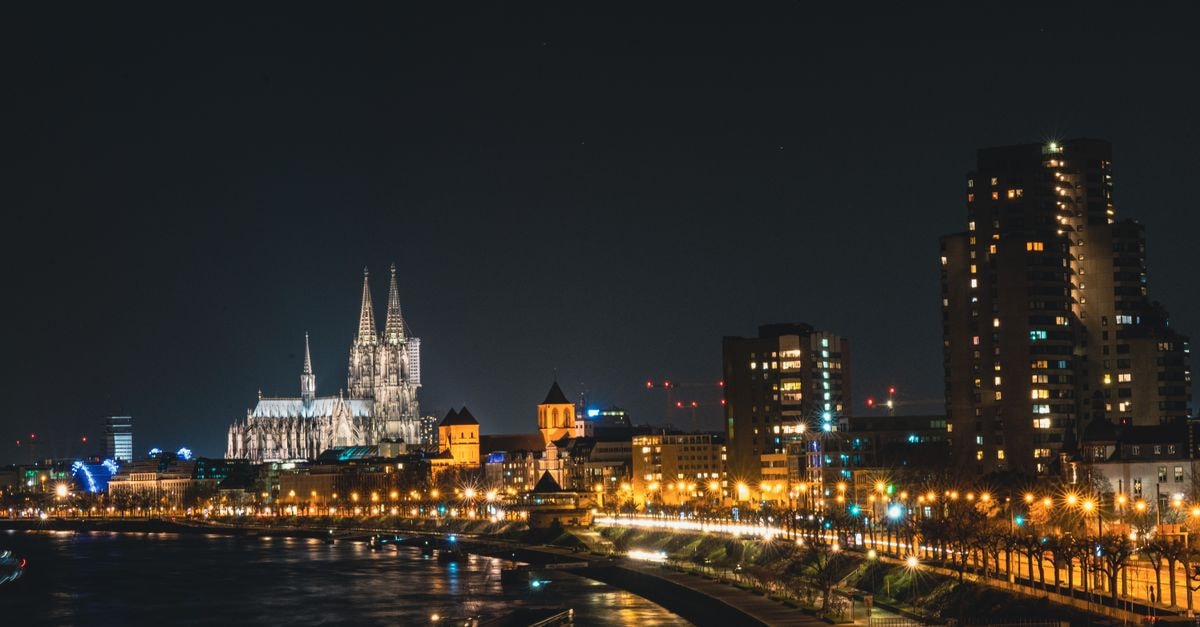
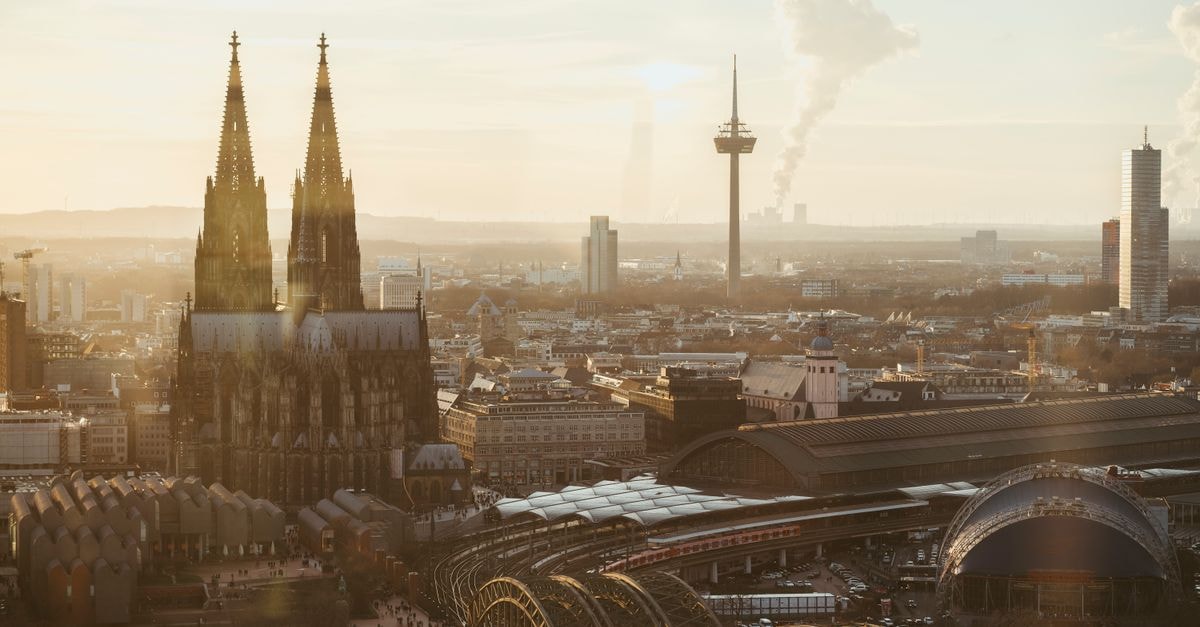
Cologne (Köln) is Germany's fourth-largest city, with roughly one million residents and a long-standing identity as a bustling commercial center on the Rhine. The skyline belongs to the Kölner Dom, and almost every first-time itinerary starts in the cathedral quarter. Just south of the cathedral, the museum belt and the Altstadt along the Rhine fill out a compact core. Food here is unmistakably Rheinland: hearty, rustic dishes traditionally eaten in atmospheric Brauhaus halls, and the local Kölsch dialect shows up everywhere from menus to street signs.
Cologne Cathedral (Kölner Dom)
The cathedral sits at Dompropstei Margarethenkloster 5, 50667 Köln. Construction began in 1248 and was not finished for more than 600 years, making it one of the longest-running Gothic projects in Europe. By height it ranks as the second-tallest church in Germany and the third-tallest in the world, and it is cited as a textbook example of Gothic church architecture — together with Notre-Dame de Paris and St. Peter's Basilica in Rome, it is often grouped among Europe's three great religious buildings.
The interior space combines grandeur with delicate detail, and the Dom's reputation rests on both the vertical reach of its nave and the craftsmanship of its overall design. The structure is a rare five-bay church, and its interior is built with especially tall and wide volumes that draw the eye upward. A few details help when planning a visit:
- **The tower is climbable, but on foot.** A sign at the entrance reads "no lift, no joke," a clear hint that the ascent is by staircase only. Set aside time and energy if you plan to reach the top — the climb is famously demanding. - **Artistic detail.** The walls are lined with stained-glass windows depicting biblical figures, and the south tower houses a peal of five bells. - **External sculpture.** The exterior is decorated with multiple smaller spires flanking the two main towers, reinforcing the vertical emphasis of the design.
Museum Ludwig
Museum Ludwig is a major museum in Cologne focused on modern art. The collection is centered on contemporary art, Pop Art and Expressionist works, and the museum sits within the cultural cluster near the cathedral, so it pairs naturally with a Dom visit and a walk along the Rhine promenade. Cologne has many galleries and exhibition spaces across the city, and the museum quarter near the cathedral is a dense concentration of them — a natural anchor for anyone whose trip leans toward art.
Rheinland Dishes and the Brauhaus Tradition
Local food in Cologne is rooted in Rheinland culture and leans toward hearty, rustic plates that pair naturally with the city's Kölsch tradition. The Brauhaus — the traditional brewery-restaurant — is the social setting for most of these dishes. Three references come up again and again:
- **Himmel un Ääd** — the name literally means "heaven and earth" in the local Kölsch dialect. The dish combines mashed potato ("earth") with apple sauce ("heaven") and a slice of blood sausage, served on a single plate. Sweet, savory and starchy all at once, it's the dish most closely identified with Cologne identity. - **Rheinischer Sauerbraten** — a pot-roasted beef dish that's part of the Rheinland repertoire and a Brauhaus staple. It's the Rheinland's answer to a slow-roasted Sunday meal. - **Brauhaus menus more broadly** — beyond the two signature dishes above, Brauhaus kitchens serve hearty plates of sausages, pork and side dishes designed to be shared over a long, social meal.
Eating in Cologne usually means eating in a Brauhaus, a traditional brewery-restaurant where the pace is brisk and the atmosphere is lively rather than formal. Most Brauhaus menus put Kölsch at the center and the kitchen at the service of the beer.
Practical Notes Before You Go
A few framing points worth keeping in mind:
- **City size and character.** With about one million residents, Cologne is a major German city with a centuries-old commercial identity on the Rhine. The Altstadt, the cathedral quarter and the museum belt are the three anchors that most visitors cluster around. - **Cathedral entry.** Because the cathedral is one of Europe's largest religious buildings, build in some buffer time at the entrance. The "no lift" tower climb is famously demanding. - **Dining etiquette.** In a Brauhaus, ordering is meant to be efficient — having a few German phrases, or simply pointing at the menu, will make a first visit smoother. - **Language.** "Himmel un Ääd" is written in Kölsch dialect, and locals are usually happy to explain what it means. - **Verifying the details.** Cathedral opening hours, Museum Ludwig admission, Brauhaus reservations and currency exchange rates all change over time, so check the cathedral's official site, the museum's official site and a current currency source before you travel.
Prices, opening hours, schedules, reservation rules, and local conditions can change; verify them through official channels before departure.
Share this article
TOOLS FOR THIS PLAN
Make the Cologne plan measurable
Choose a tool only when it answers the next question in your trip. Your values stay in the browser, and each tool offers a route back to this planning context.