A trading-post port with a working-waterfront feel

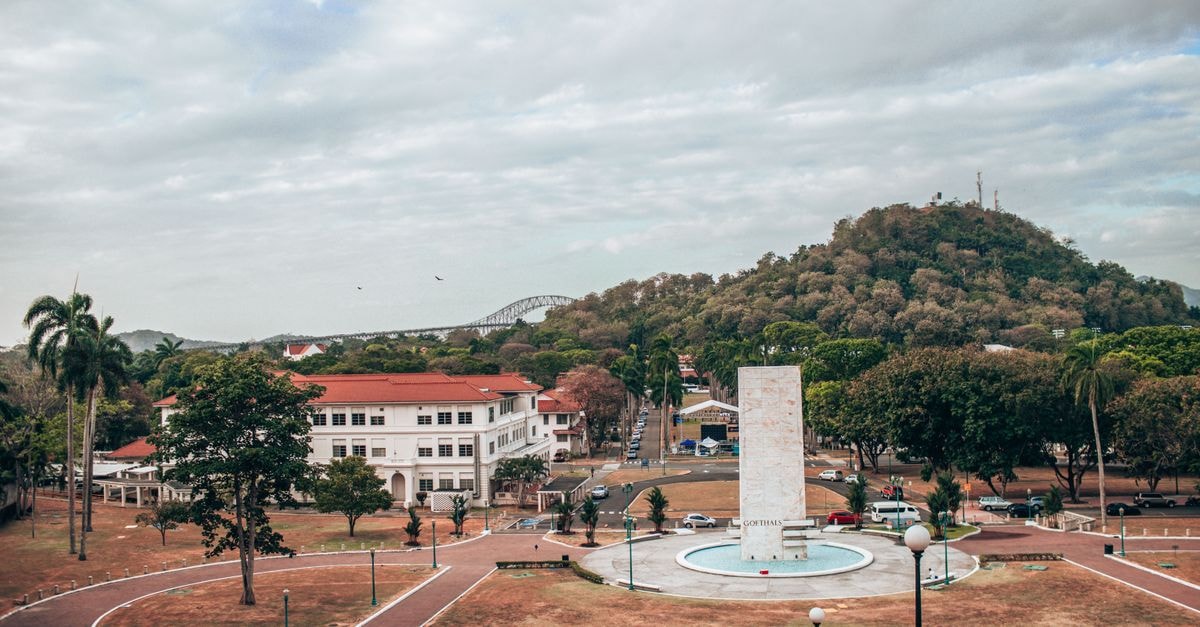
Colón sits at the Caribbean entrance to the Panama Canal, and that single geographic fact shapes almost every decision a visitor makes. Unlike a polished resort town, this is a place where freight, ferries, cruise tenders and local commuters share the same coastline, and where the rhythm of the day is dictated by ships rather than by sightseeing schedules.
The city still carries its trading-post legacy, which today translates into busy commercial streets, the bustle of duty-free commerce, and a steady flow of travelers transiting through on their way to or from the canal itself. For most visitors, Colón is less a destination in the traditional sense and more a logistical waypoint: a place to arrive, orient yourself, and step onward into whatever the Caribbean coast of Panama has in store.
If you are arriving by cruise ship or planning to use the city as a base for canal-area excursions, the guide below covers the practical side of visiting Colón.
What to expect from the Caribbean climate
Colón's coastal Caribbean position means the climate reads differently from the Pacific side of Panama. Conditions can feel humid for much of the year, with rain arriving in bursts rather than long steady showers. For travelers used to dry, predictable weather, the rhythm here can take a day or two to settle into.
Because of the humidity and the likelihood of passing showers, it helps to plan your day around flexibility rather than tight timetables. A light waterproof layer, quick-dry clothing and shoes that handle wet pavement comfortably tend to serve visitors well. Pace the day to allow for a slower mid-afternoon, whether that means a shaded café stop or simply a pause between excursions.
If you are sensitive to heat, the cooler early-morning hours before the port activity reaches full pace are often the most comfortable window for walking around or waiting for onward transport.
Getting around: the port is the center of gravity
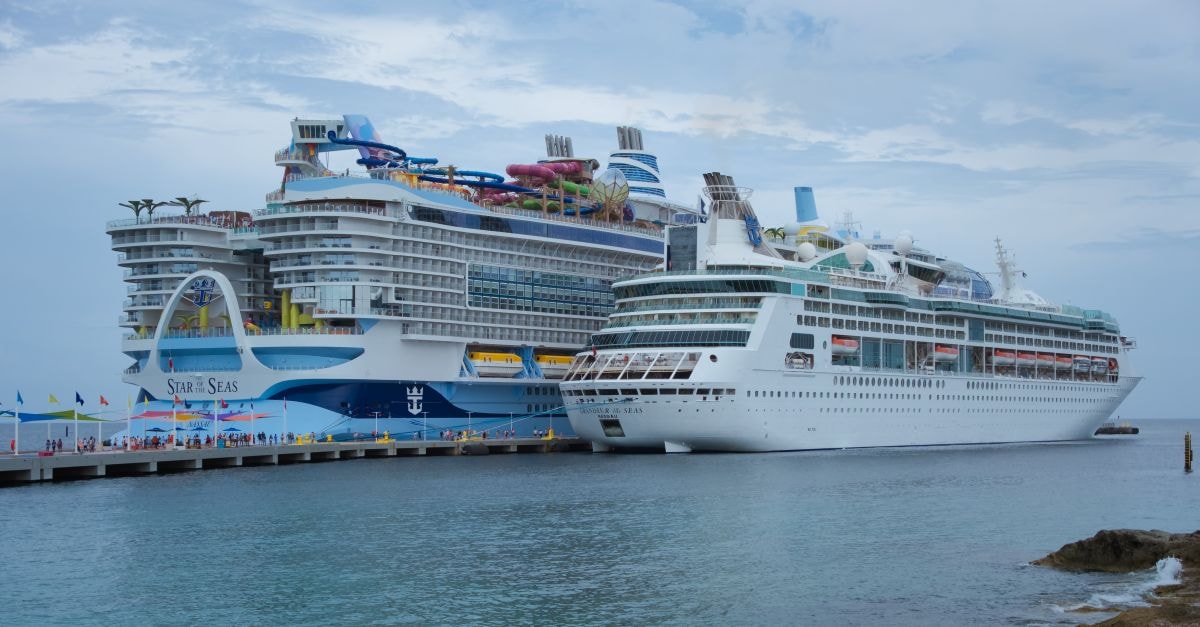
For most travelers, the most important thing to understand about Colón is that the port essentially is the city. The cruise port sits at the Atlantic entrance to the Panama Canal, and it is unlike almost any other stop on a Caribbean itinerary. The focus here is largely on transport and day tours, with the waterfront acting as the organizing hub for whatever you choose to do next.
The Colon cruise port has two terminals: Colon 2000 and Cristobal Pier. Knowing which terminal your ship or service uses matters, because each one has a slightly different approach for tenders, taxis, and tour pickups. Even if you are not arriving by cruise, understanding the two-terminal setup helps when planning how you will meet drivers, guides, or onward transport, as drivers often position themselves based on which pier is active.
Independent travelers should think of the port as the main reference point rather than a historic town center. Distances between the terminals and the main commercial streets are short, but walking routes can be indirect, and the area is best navigated with a clear meeting plan or a confirmed pickup. If you are booking tours independently rather than through your cruise line, arranging a specific pickup terminal and time in advance avoids confusion on arrival day.
For day-to-day movement once you are ashore, taxis and pre-arranged drivers tend to be the default rather than public buses, particularly for visitors who are unfamiliar with the local road network. Agreeing on fares or confirming a booking before setting off is a sensible habit, and keeping small denominations handy for short trips makes the day run more easily.
A short-stay mindset works best
Because Colón functions as a gateway rather than a sightseeing city, most successful visits are framed as short stays with a clear purpose. Cruise passengers typically have a single port day, and independent travelers often pass through in an afternoon on the way to or from the canal or other Caribbean-coast destinations.
This makes the planning approach simple: decide what you need from the port itself, and treat everything else as secondary. If your goal is to connect to a canal transit, a ferry, or a coastal excursion, organize the logistical side first, then build any walking or shopping time around that core plan. If your goal is simply to experience the trading-post atmosphere, anchoring yourself near the duty-free commercial zone keeps the day within easy reach of shops, food spots and return transport.
The working-waterfront character of Colón rewards visitors who arrive with realistic expectations. It is a functional port city with a distinct Caribbean edge, and treating it as a transit hub rather than a polished resort stop usually leads to a smoother, more enjoyable visit.
Practical reminders before you go
A few small habits make a Colón visit easier. Confirm which port terminal you will be using, and confirm it again on the day of arrival, as cruise line communications sometimes shift between Colon 2000 and Cristobal Pier depending on berth assignments. Carry a phone with offline maps loaded, since signal in the commercial streets can be patchy. Keep your passport and ship card or identification easily accessible, as checkpoints near the port area are common.
Finally, treat local guidance from your cruise line, hotel or tour operator as your most up-to-date reference for what is open, running, or safe to walk to on any given day. Conditions around a working port change frequently, and current local advice will always be more reliable than any printed or pre-booked assumption.
Travel conditions, port arrangements, and local services can change at short notice. Check official channels, your cruise line, or your accommodation before departure, and verify any checkable detail on the day.
Share this article
TOOLS FOR THIS PLAN
Make the Colón plan measurable
Choose a tool only when it answers the next question in your trip. Your values stay in the browser, and each tool offers a route back to this planning context.