A First Look at

This Colorado Springs travel guide leans into what the destination does best: dramatic outdoor anchors, family-friendly attractions, and the kind of wide blue skies that make every excursion feel a little more cinematic. If you're gathering things to do in Colorado Springs, the smartest approach is to plan around the landscape rather than against it.
Weather and Seasonal Context
Colorado Springs plays a generous host to outdoor plans. The region averages an impressive 300 days of sunshine a year, which means even shoulder seasons tend to feel generous with daylight and visibility rather than gloomy.
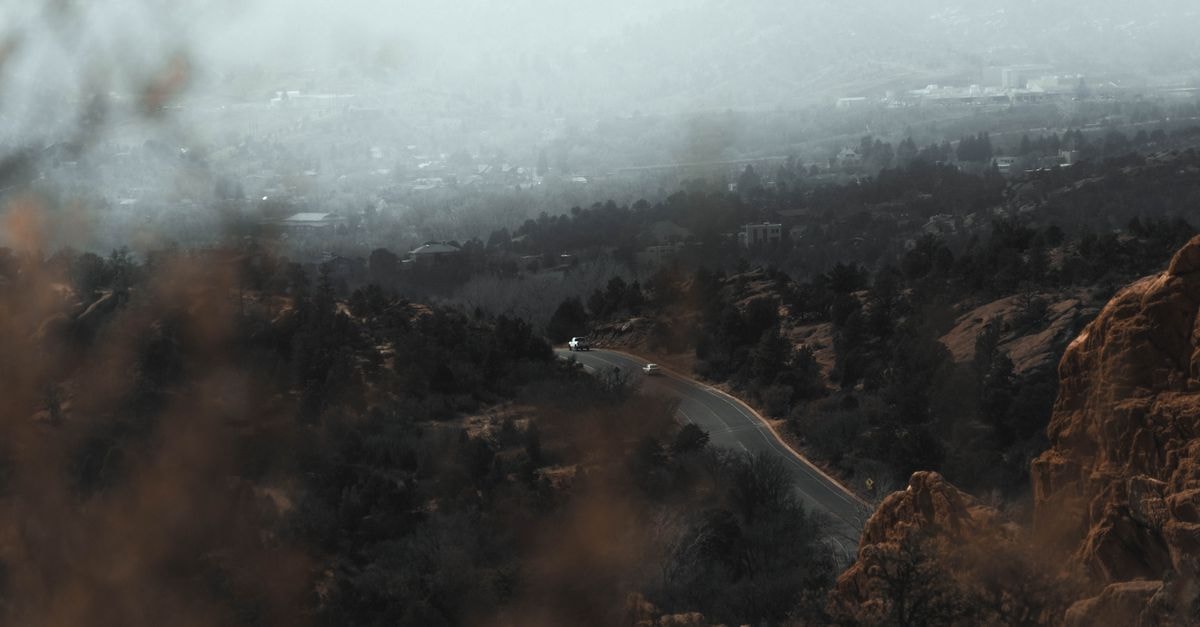
The city's high elevation and proximity to the mountains classify the area as an alpine desert, and that classification shows up in how dry the air feels, how quickly the sun warms a morning, and how crisp evenings can turn once the light shifts. The scenic surroundings, including the towering Rocky range and the unique red rock formations of the Garden of the Gods park, are the visual backbone of any visit, and most travelers find themselves scheduling the day around those vantage points.
A gentle rhythm tends to suit the altitude: ease into the first day, hydrate more than you think you need to, and let the views set the schedule. The sky does the rest.
Getting Around
Ground transportation in Colorado Springs is built around individual service providers rather than a single municipal system. Schedules, destinations, and prices vary by operator, so the most useful habit is to reach out to each service directly before locking in plans.
The official Visit Colorado Springs resource treats the city as a one-stop starting point for adventures throughout the Pikes Peak region, which makes it a natural first stop when you're researching how to move between trailheads, attractions, and accommodations. For a city built on scenic outdoor anchors, having a flexible ground option matters; many of the headline experiences sit outside walkable downtown.
A few practical rhythms tend to serve visitors well:
- Build in extra travel time around scenic corridors, since stops for photos and viewpoints are part of the experience. - Keep a layer in the daypack, even when the morning looks warm, because high-elevation temperatures can shift quickly once the sun moves behind the mountains. - Confirm any shuttle, ride, or tour details directly with the operator before the day begins.
Attractions and Planning
The headline draw here is scenery, and the activities ladder from gentle to wild depending on how much elevation you want to chase. Garden of the Gods anchors most first-time itineraries with its red rock formations, and Pikes Peak region experiences extend that same sense of scale in every direction.
Visit Colorado Springs positions itself as a one-stop resource for adventures throughout the Pikes Peak region, which means a single planning pass can connect trailheads, family attractions, scenic drives, and viewpoints without piecing it together from scratch. That single-hub approach is genuinely useful when you're trying to balance a family-friendly outing with a longer outdoor day.
The city's reputation for family-friendly attractions and unforgettable moments without breaking the bank is well earned, and the variety of paces makes it easy to mix high-energy days with slower afternoons. Think of the itinerary as a series of scenic anchors rather than a checklist: one big outdoor moment, one cultural or downtown pause, and one easy evening to let the altitude settle.
Food and Local Context
Colorado Springs sits within the broader United States, where traditional food reflects a melting pot of flavors shaped by regional specialties and a wide range of cultural influences. That nationwide context shows up across menus here, from classic American comfort plates to the regional riffs you'd expect at the foot of the Rockies.
Rather than chasing a single signature dish, visitors tend to enjoy the variety. The country's most popular dishes define a baseline of American food culture that travels well, and Colorado Springs benefits from that diversity. The practical upshot: when you're choosing where to eat, think in terms of the experience you want after a day outdoors, whether that's a hearty plate to refuel, a lighter patio moment under those famously blue skies, or a long, slow evening that lets the day unwind.
If you're planning a food-focused afternoon, the easiest move is to anchor it around the area you're already exploring rather than crisscrossing the city. Outdoor days tend to end near the trailhead or the scenic stop where they began, and the food naturally follows the route.
A Final Note on Planning
The most useful frame for Colorado Springs is to lean into the scenery first and let everything else orbit it. The 300 days of blue skies, the alpine desert light, and the dramatic backdrop of the Rockies and Garden of the Gods together create a destination that rewards a flexible, scenic-first plan.
Before you finalize, double-check transport details directly with individual operators, confirm any attraction hours or reservation expectations through official channels, and remember that high-elevation weather can shift faster than the forecast suggests. A little preparation goes a long way in a place where the views do most of the storytelling.
Factual travel conditions can change without notice. Treat this guide as a starting point and verify any checkable details with official sources before you travel.
Share this article