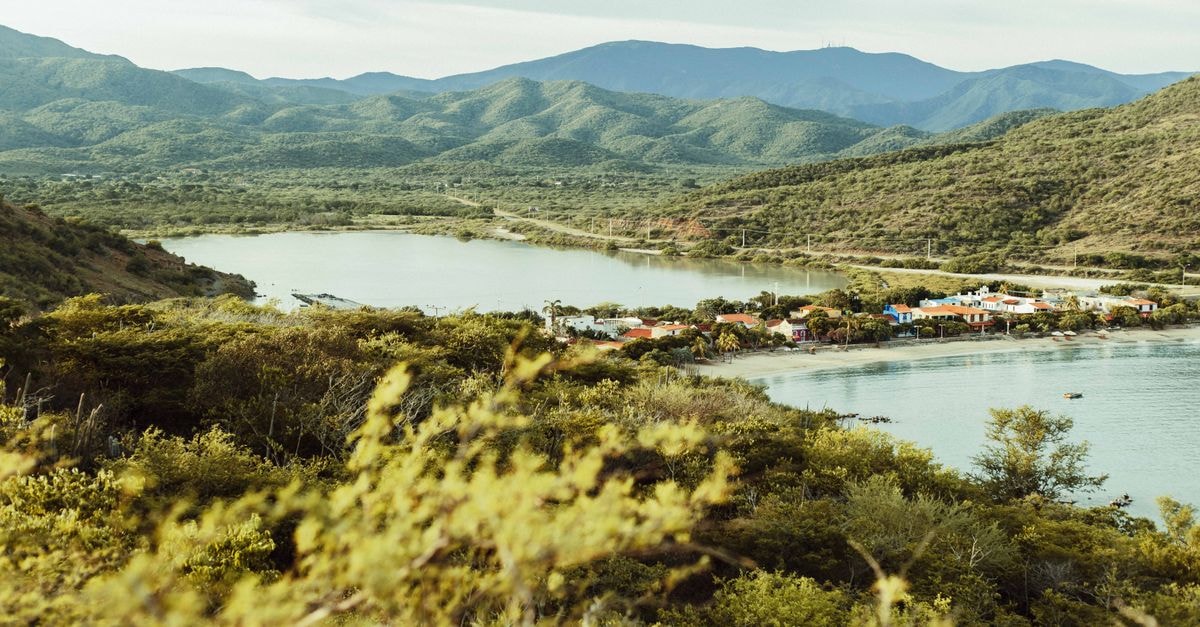
Tucked into the western reaches of the Dominican Republic, Comendador sits in the province of Elías Piña, right at the edge of the country where it meets Haiti. It is not a place that draws crowds or headlines; rather, it has the feel of a small provincial capital that hums with everyday rhythms, where a central square anchors daily life and the road beyond leads into wider Caribbean journeys. For travelers passing through, Comendador offers something rarer than a checklist of sights: the chance to slow down, observe a borderland community, and use the town as a waypoint between two worlds.

This guide focuses on what the approved evidence supports — the climate context, how to move through and around the city, and the broader Dominican food culture visitors may encounter while they are here. There is no attempt to invent itineraries or fill in gaps with assumptions.
Weather and seasonal context
The climate context for Comendador follows patterns typical of the western Dominican interior, where days can feel warm and humid for much of the year and rain can roll in without much warning. Because the area sits inland rather than on a coastal breeze, the air can feel heavier on still afternoons, and shade becomes something to seek out. Visitors who prefer gentler pacing may want to plan outdoor time for the morning hours and save indoor pauses for the hottest part of the day.
What the approved evidence confirms directly is the role of the town's central park as a gathering place for everyday life — a place where people pause, meet, and watch the day go by. Parque Central de Comendador is described as the heart of the town, the kind of square where local life unfolds naturally around benches, walking paths, and shaded corners. Travelers who enjoy people-watching and unhurried strolls may find this square a comfortable anchor, while those who prefer structured sightseeing may want to keep their expectations simple.
For weather specifics tied to a particular window of the year, it is worth checking an updated forecast before departure; conditions in a borderland valley can shift more quickly than coastal weather patterns suggest.
Getting around
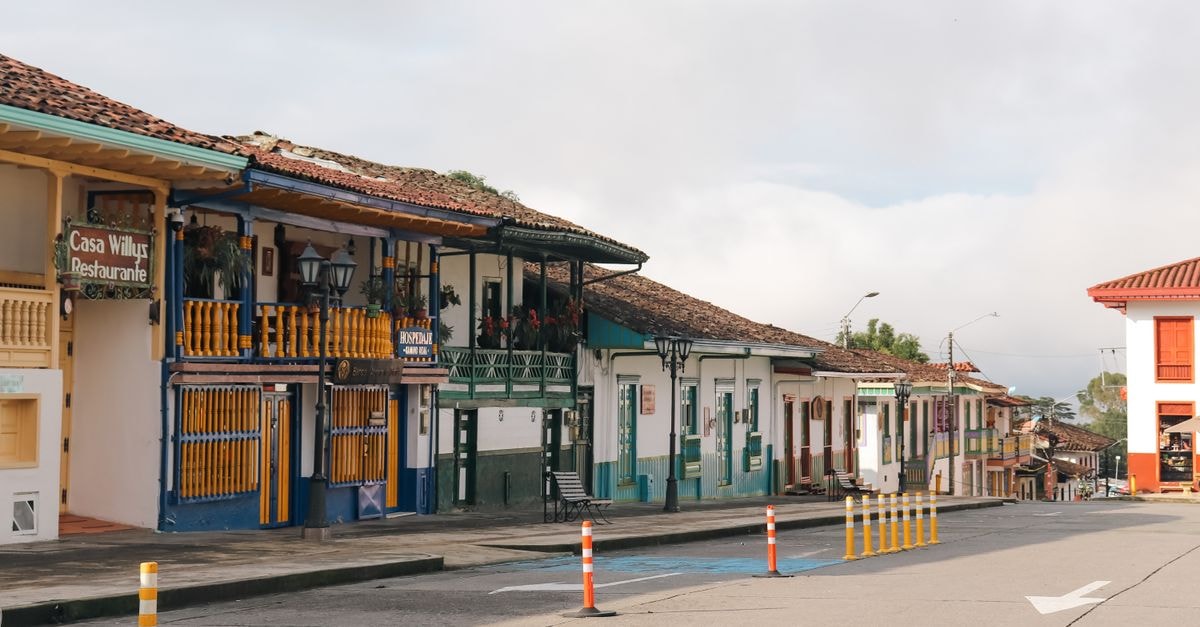
Comendador's position along the Haitian–Dominican border shapes much of how travelers move through it. The town is described in the approved evidence as charming and as a charming city located in the province of Elías Piña, which gives it a small-scale, walkable character rather than the sprawl of a larger urban center.
For travelers crossing between the two countries, the evidence points to a specific practical anchor: Hotel Doña Elsa is described as strategically located near the Haitian-Dominican border, serving as a practical stopover for travelers navigating cross-border routes. If you are planning to use Comendador as a waypoint along this corridor, consider basing yourself at a property with clear proximity to the border crossing so that logistics — paperwork, transit connections, and onward travel — stay simple. Travelers who prefer not to base decisions on border logistics may want to think of Comendador as a brief pause rather than a multi-night destination, since the evidence does not describe a deep catalog of in-city attractions to fill longer stays.
Within the town itself, distances are short enough that walking between the central park, local services, and lodging is generally the most straightforward way to get around. For movement beyond the immediate town, travelers should arrange onward transport in advance, as the approved evidence does not describe local public transit routes or schedules.
Food and local context
Food in the Dominican Republic is part of how visitors are welcomed into daily life, and travelers passing through Comendador are likely to encounter the wider rhythms of Dominican cuisine in the small eateries and shared tables of the town. The country's cultural identity is described as characterized by warm hospitality, vibrant music, and delicious cuisine — a useful frame for understanding the kind of atmosphere a visitor is stepping into, even if the specific kitchen in front of you is a modest local comedor rather than a documented restaurant.
One dish that recurs across Dominican food culture is **sancocho**, described as a rich, hearty stew considered the Dominican Republic's most important celebratory dish. It is the kind of meal that tends to show up at gatherings, family-style tables, and special occasions, and visitors who get the chance to try it should expect something filling and slow-cooked, often shared rather than plated individually. Because sancocho is a nationwide tradition rather than a Comendador specialty, availability will depend on what individual kitchens are serving on any given day.
More broadly, the Dominican food culture evidence outlines a range of dish types and descriptions that visitors may come across in Comendador, from quick street snacks to more substantial plates. Rather than chasing a specific restaurant, travelers may find the most rewarding approach is to follow what is cooking locally — ask, accept what's offered, and treat the meal as part of the borderland experience rather than a standalone attraction.
For travelers with dietary preferences or restrictions, the small scale of the town means options may be more limited than in larger Dominican cities, so it can help to learn a few useful phrases or to be flexible about substitutions. As always, current menu details and prices are best confirmed on the ground, since the approved evidence does not document specific Comendador restaurants, menus, or price points.
Choosing what fits your trip
Because Comendador's appeal lies more in its position than in a long list of attractions, the kind of traveler who tends to enjoy a stop here is often someone who values quiet pacing, borderland atmosphere, and the rhythm of a small Dominican town over a packed sightseeing schedule. If you are using the city as a logistical waypoint along the Haitian–Dominican corridor, anchoring yourself near the border crossing keeps things simple, and a half-day in the central park is usually enough to absorb the feel of the place. If you are arriving with long lists of expected attractions, you may find Comendador quieter than anticipated — and that restraint is part of its character rather than a shortcoming.
A note before you go
Factual travel conditions — including border crossing procedures, transport availability, local services, and weather — can change, and the details in this guide reflect what the approved sources support rather than live, on-the-ground confirmation. Before departure, check official Dominican Republic travel channels, your accommodation, and current weather forecasts to confirm that the conditions described still hold. Currency exchange rates, where relevant, should also be verified at the time of travel, as posted reference figures may not match what is actually available locally.
Prices, opening hours, schedules, reservation rules, and local conditions can change; verify them through official channels before departure.
Share this article
TOOLS FOR THIS PLAN
Make the Comendador plan measurable
Choose a tool only when it answers the next question in your trip. Your values stay in the browser, and each tool offers a route back to this planning context.