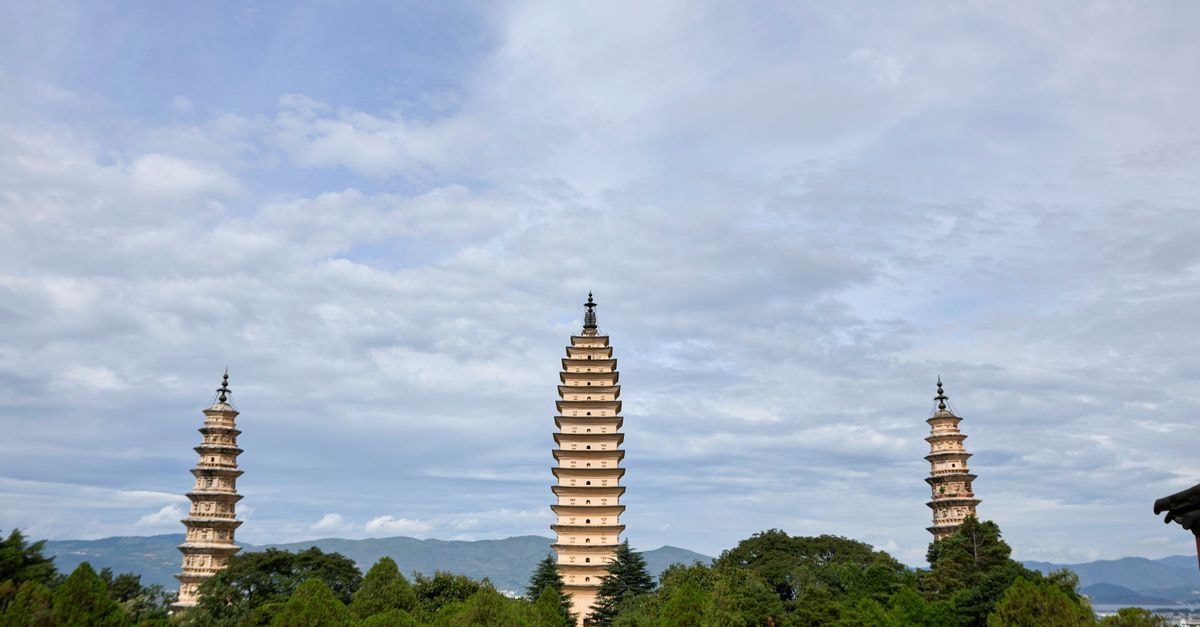
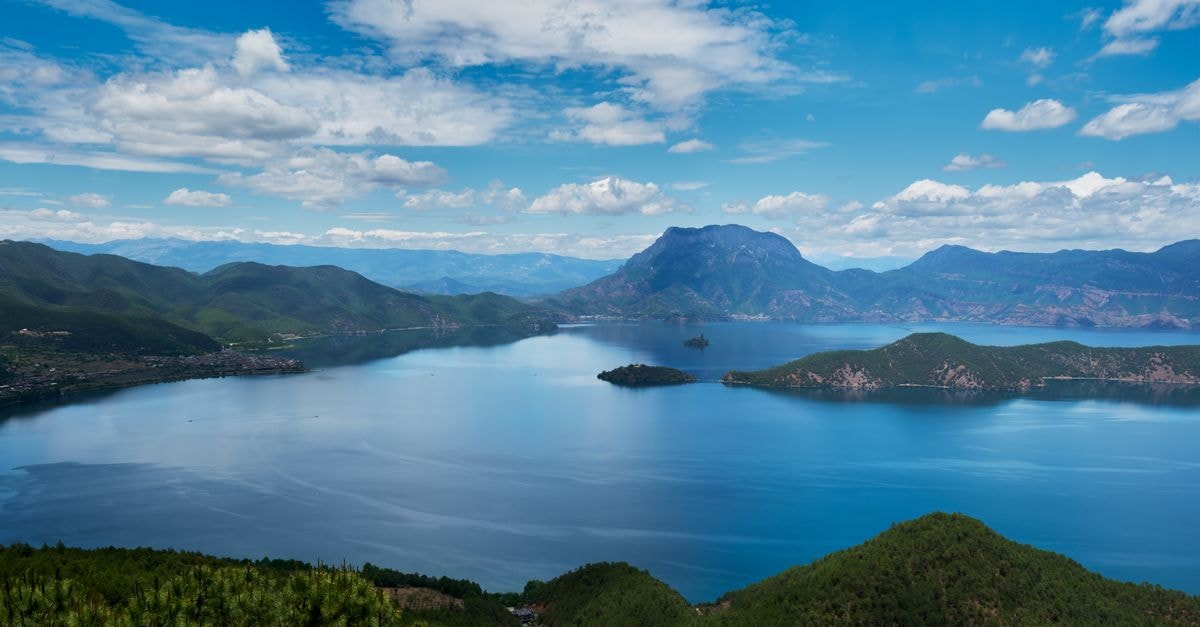
Dali, Yunnan: A Quiet Stage Set by Mountains and Lake

The Cangshan range and Erhai Lake tend to be the sights that visitors mentally bookmark before they arrive, and for good reason. Together they set the visual rhythm of the city, from morning fog over the lake to late light pulling along the ridgeline. Because the approved sources frame these as the city's top natural attractions, most travelers will find that even a short stay benefits from building the schedule around water and mountain time rather than rushing across town.
Attractions and Planning
Erhai Lake is the eastern anchor of any Dali visit. It is described in the local tourism record as a plateau lake that reads like a deep blue gem set in the surrounding green land, which is the kind of framing that gives visitors a useful clue about why locals treat it as a destination in its own right. Travelers who like harbor-style views, slow cycling, or simply sitting with a thermos and watching light change over water may find this is the natural centerpiece of the trip, rather than a stop squeezed between other sights.
Cangshan, the mountain range to the west, is typically described in silver tones and is paired with Erhai Lake at the top of local shortlists. The poetic framing of 'silver Cangshan' and 'jade Erhai' reflects how residents and visitor information tend to introduce the city. For travelers who prefer to keep days light, pacing the trip so that one day leans toward the lake and another leans toward the mountain foothills can be a calm way to enjoy both without overloading the schedule.
Within the city proper, the local attractions record lists two stops that complement the natural scenery rather than compete with it. Yan's Compound of the Bai Minority offers a window into the architecture and household layout of one of the area's main ethnic groups, which adds cultural texture that pairs naturally with time spent in the surrounding countryside. The Dali Municipal Museum, also listed in the city proper, gives a structured overview of local history that can be useful at the start of a visit, helping travelers connect the lake and mountain imagery to the people and stories behind them. If you prefer a quieter, more introverted travel rhythm, slotting these small stops into a less-busy day may suit the trip better than trying to combine them with a long lake circuit.
Food and Local Context
Food is consistently described as a key part of local life for anyone traveling in Dali, which sets the right expectation before the first meal. The Bai people are one of the area's main ethnic minorities, and the cuisine most readily associated with Dali is historically Bai cooking. Visitors who are curious about regional Chinese food cultures will recognize that this is a place where eating is a way into understanding the local identity, rather than a side activity after sightseeing.
One dish that recurs in local food coverage is Stewed Carp Casserole, a Bai-rooted preparation commonly served as a main course in the area. Travelers who want their food experiences to feel specific to the place they are visiting, rather than interchangeable with menus in other Chinese cities, may want to ask for locally rooted dishes like this when eating in small, family-style spots.
Because food here is tied so closely to Bai heritage, mealtimes can be a useful pause to absorb local culture. Rather than treating eating as a break between attractions, sitting down for a longer meal and watching how dishes arrive at neighboring tables can give travelers a sense of the regional culinary vocabulary. If you prefer a quieter travel rhythm, this is also a comfortable way to slow the day without feeling like you are missing a sight.
Choosing What Fits the Trip
Because Dali's attractions are split between two major natural landmarks and a small cluster of cultural stops inside the city, the practical question is how to balance them. Travelers who are drawn to scenery and reflective downtime may want to give the lake and mountain foothills the larger share of the schedule, with the Bai architecture and the municipal museum slotted into shorter, more focused sessions. Travelers whose curiosity leans toward local identity and regional cooking may want to prioritize Bai-rooted dishes and the cultural stops, using the lake and mountain scenery as a calm backdrop between meals and short visits. Either way, treating Cangshan and Erhai as the spine of the trip, rather than items to check off, tends to match the way local sources describe the city.
A Closing Note on Verifying Details
Because this guide focuses on durable city character rather than current logistics, a small number of practical details are worth confirming directly with official sources before travel. The Dali Municipal Museum and Yan's Compound of the Bai Minority are listed as in-city cultural stops, but their opening hours, ticketing, and visitor rules can shift over time, so checking the latest information from local cultural or municipal channels is sensible. Restaurant availability, menu offerings, and seasonal dish rotations likewise change, so confirming Bai-rooted options and any specific preparation you are hoping to try is a useful step before committing your schedule. Travel conditions more broadly, including transport within Dali and around Erhai, are best reconfirmed close to departure through current local guidance.
Share this article
TOOLS FOR THIS PLAN
Make the Dali plan measurable
Choose a tool only when it answers the next question in your trip. Your values stay in the browser, and each tool offers a route back to this planning context.