A slow traveler's first guide to Dammam

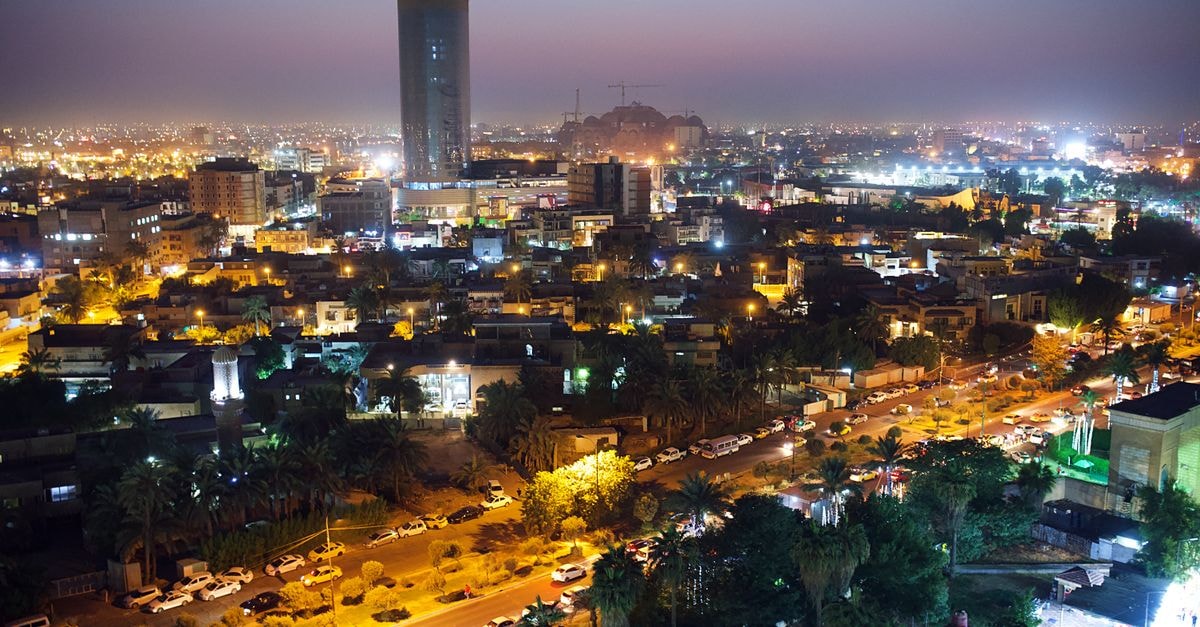
Dammam sits on the Persian Gulf coast in Saudi Arabia's Eastern Province, and it tends to be the kind of city travelers arrive in rather than the city they planned around. That makes a slow, curious approach especially rewarding. The pace is unhurried, the corniche is wide, and the wider Eastern Province has a layered identity shaped by sea, oil heritage, and a new generation of cultural spaces. This guide keeps the focus narrow and useful: what the weather generally feels like, and how to think about moving through the city without overcommitting to a strict plan.
Weather and seasonal context
Dammam's climate is one of those details that quietly shapes every other decision, from when to walk the corniche to how much water to carry. Travel writing about the city tends to agree that every season has its own personality, and the practical advice is usually framed around choosing the time of year that matches the kind of trip you want rather than trying to outsmart the calendar.
If your priority is being outdoors for long stretches, the cooler months are generally recommended. A widely shared piece of guidance suggests visiting Dammam between October and March for more comfortable outdoor temperatures, which is the period when walking the corniche, lingering at viewpoints, and moving between districts on foot feels easiest. Outside that window, the heat is the main constraint on the day, and pacing yourself matters more than packing in a long sightseeing list.
That said, a Dammam trip does not have to be cancelled because the thermometer reads higher. The city's rhythm simply shifts: shorter outdoor windows, more time in shaded or air-conditioned spaces, and a willingness to slow down. Treat the climate as a planning partner rather than an obstacle, and the rest of the trip tends to fall into place.
Getting around
Dammam rewards travelers who keep their plans loose and let the geography reveal itself. The Corniche is the most useful mental anchor, a long waterfront stretch that doubles as a place to walk, sit, and orient yourself. If you arrive without a strong agenda, starting a morning or late afternoon on the corniche and letting the city unfold from there is a perfectly valid way to spend a day. It is the kind of place where stopping for a juice, watching the light change over the water, and walking a little further than you planned tends to produce better memories than a tightly scheduled route.
Travel accounts describe one district, Ash Shati Ash Sharqi, as not home to many top sights, while noting that Toy Town Dammam and the Dammam Corniche are some notable places to visit nearby. That gives the area a practical appeal: even if the neighborhood itself is quiet, the corniche and a family-friendly stop like Toy Town sit within easy reach.
For cultural time, the King Abdulaziz Center for World Culture, often referred to simply as Ithra, is a common anchor point. Its address places it in nearby Dhahran, which is part of the same wider urban fabric as Dammam. Travel accounts consistently describe it as worth setting aside real time for, both for its architecture and for the sense it gives of contemporary Saudi cultural ambition. Treat it as a half-day or full-day visit rather than a quick stop, and the experience lands differently.
A slower way to plan the days
The temptation with a city like Dammam is to convert every reference into a checklist. Resist that, at least a little. A more rewarding pattern is to pick two or three anchors for the trip, such as a stretch of corniche time, a cultural half-day, and a neighborhood to wander in the evening, and leave generous white space between them. The heat, when it is intense, makes that white space useful rather than indulgent, because it gives you a reason to rest, hydrate, and re-enter the day with more attention.
Travelers who like structure can still build a loose shape. A typical relaxed rhythm looks like this: a cooler morning for outdoor walking or a cultural visit, a long midday break indoors, and an evening return to the corniche or a nearby district when the light softens. That pattern works in either the recommended cooler months or the warmer ones; only the outdoor windows shift.
Practical notes for a confident visit
A few small habits make a Dammam trip noticeably smoother. Carry water more often than you think you need to. Give yourself extra time to move between districts, because the city is spread out and the corniche alone is longer than it looks from a map. Keep your footwear comfortable, since the best parts of the city are usually experienced on foot once you arrive somewhere worth being. And treat opening hours and ticketing details for specific venues as something to confirm close to your trip, since published schedules and visitor information can shift.
If you are visiting during a warmer stretch of the year, plan your most ambitious outdoor time for the early morning or after sunset, and save indoor cultural visits, malls, and food stops for the middle of the day. If you are visiting during the cooler months, the reverse is true, and you can afford to be more spontaneous about being outside.
A short checklist before you go
Before departure, it is worth taking ten minutes to confirm the small details. Check current entry requirements for Saudi Arabia through official channels, since these are updated periodically. Skim recent traveler notes for the specific districts you plan to stay in, because neighborhood character can shift block by block. Look up the practical visitor information for any cultural venue you intend to spend real time in, including Ithra. And remind yourself that the corniche is always there as a fallback plan, free, open, and a reliable way to end any day on a calm note.
Factual travel conditions, including climate feel, venue access, and local logistics, can change over time. Treat this guide as a starting frame rather than a final brief, and verify anything that affects bookings, transport, or entry through official sources before you travel.
Share this article
TOOLS FOR THIS PLAN
Make the Dammam plan measurable
Choose a tool only when it answers the next question in your trip. Your values stay in the browser, and each tool offers a route back to this planning context.