A first impression of Datong

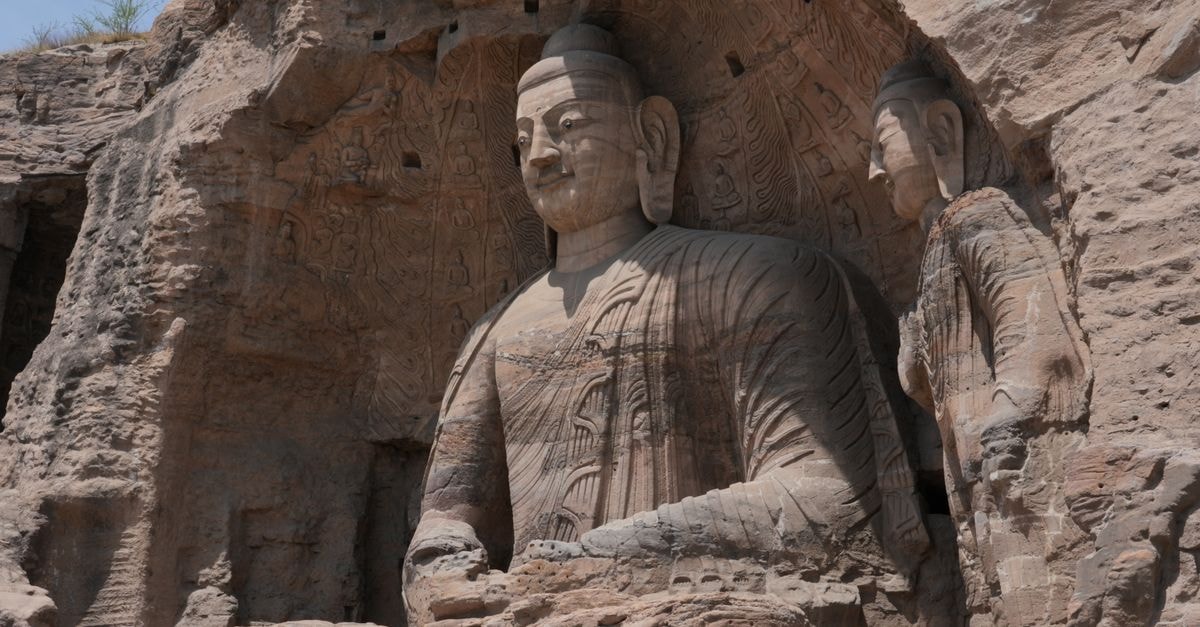
There is a particular kind of hush that settles over a place when its past is layered deep and its present is unhurried, and Datong carries that kind of hush well. Sitting in the northern reaches of Shanxi, the city has long worn its history lightly, offering visitors the chance to wander among ancient gates, temple caves, and a regional food scene that takes its flour and noodles seriously. As one of the twenty-four famous historical cities in China, Datong is known for its abundant historical relics and natural beauty, which sets the tone for a trip that rewards slow looking rather than checklist rushing.
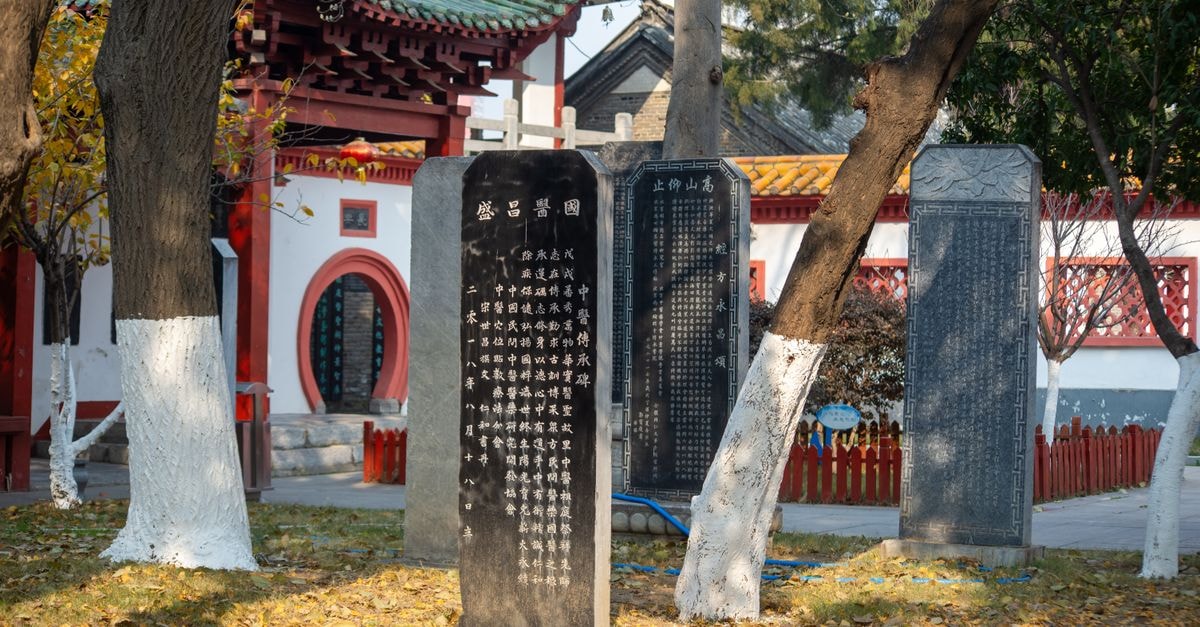
For the curious traveler, the city reads like a quiet open-air archive. Stone architecture, weathered fortifications, and weathered cultural landmarks create an atmosphere that feels both anchored and contemplative, an antidote to the faster pace of many Chinese urban centers. Visitors often find that a couple of thoughtful days are enough to absorb the essentials, though anyone with a soft spot for archaeology and craft traditions will likely want to linger.
Getting there and getting oriented
Reaching Datong typically involves a small detour from the wider Shanxi transport network. Taiyuan Wusu Airport is the nearest airport acting as a transfer station for visitors to Datong, so many travelers fly into Taiyuan first and continue overland to the city. From there, the transition onto regional rail or coach roads is straightforward, and the journey itself becomes part of the sense of arrival, as the landscape opens out into the broader Shanxi plains.
Once in the city, the layout is forgiving for pedestrians. The compact historical core rewards walking, and most of the must-see landmarks cluster within a comfortable radius. The general vibe is one of a city sized for slow exploration, where stepping into a side alley can lead to a quiet teahouse or an unassuming neighborhood temple that deserves a moment of attention.
Attractions and planning your time
The draw of Datong is genuinely old China, the kind of cultural depth that rewards visitors who come curious. The city is recognized as one of the twenty-four famous historical cities in China, and its attractions lean heavily into heritage and natural scenery. Travelers can expect a blend of carved-stone temples, surviving sections of historic walls, and cultural sites that speak to centuries of northern frontier life.
A highlight often cited by those who know the region well is Hengshan, one of the Five Sacred Mountains in traditional Chinese geography and a place that draws people from across the country. Hengshan is a great attraction to people all over China for its charming natural beauty as well as its intriguing manmade miracles, which means it pairs mountain scenery with a long lineage of temples and inscriptions. Even visitors with only a day to spare near the mountain will find that the combination of hiking paths and cultural stops offers a satisfying balance between movement and stillness.
Because Datong's heritage is concentrated and the surrounding countryside is generous, the rhythm of a visit tends to be a gentle one: a morning at a major temple or cave complex, a long lunch, an afternoon walk along a quieter stretch of historic wall, and an evening spent settling into the slower pace of local life. Travelers who try to cram too much into each day often find the city resists the pace, and that is part of the charm.
Food and local context
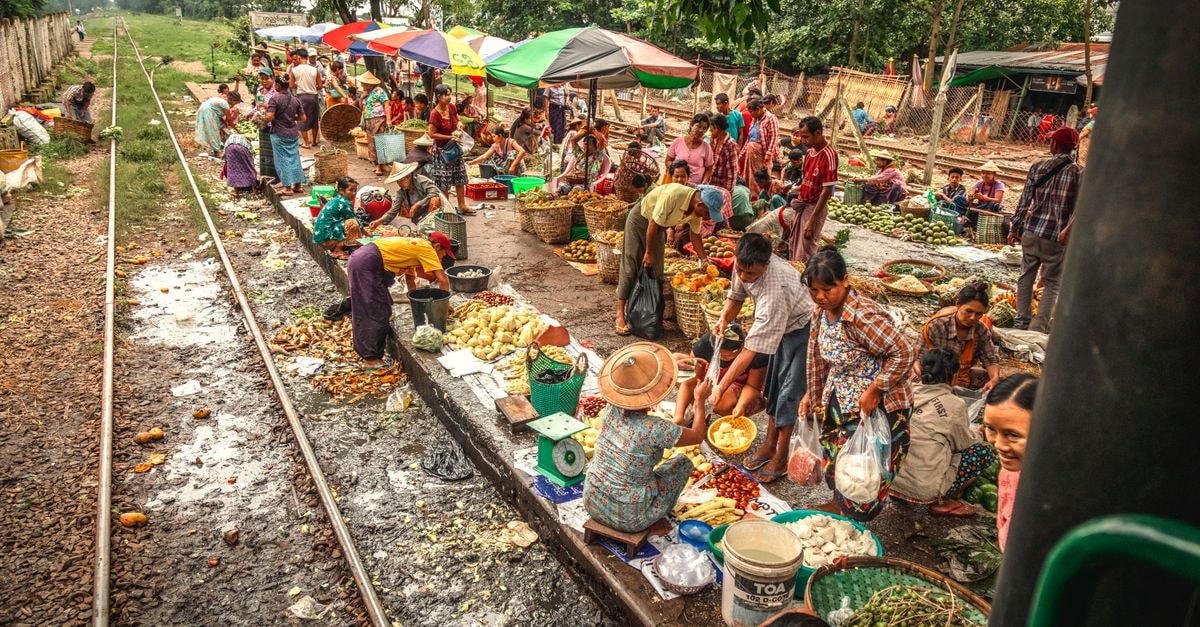
The food scene in Datong is honest, hearty, and quietly distinctive. The multi-cultural and unique geological environment ensure that Datong cuisine incorporates various aspects of diverse cuisines, which is one way of saying that the dishes you encounter carry influences from trade-route traditions as well as the staple Shanxi pantry. Visitors who know a little about the wider region will recognize the flour-led character of northern Chinese cooking here, with noodles, dumplings, and stuffed pastries taking center stage at most meals.
The local staple in Datong is mainly noodles and other food made of flour, so it is worth leaning into that grain-based identity rather than searching for the lighter rice dishes more common farther south. Bowls of hand-pulled or knife-cut noodles arrive with broths that range from clear and herbal to rich and savory, and the portion sizes are generous in the local custom.
Among the dishes that carry particular local color, shaomai is one of the most recognizable. As one of the main dishes in the feast of Datong, shaomai satisfies people's appetite by its flower-like appearance and strong flavor meat stuffing. The little pleated dumplings show up across the city in both casual teahouse settings and more celebratory meals, and visitors often find themselves ordering a steamer simply to compare the version at each stop.
For travelers who appreciate a noodle counter more than a formal dining room, the city is welcoming. Many of the most satisfying meals happen at small, family-run spots where the menu is short, the turnover is steady, and the cook has had decades to refine a single broth. This is the kind of destination where letting a local shopkeeper choose your bowl turns out to be one of the best travel decisions you make.
What to keep in mind before you go
A few small habits will make a Datong visit feel smoother. Cash remains useful for smaller eateries and market stalls, so carrying a modest amount alongside any digital payment tools is sensible. Comfortable walking shoes earn their keep quickly, since the city's historic areas reward wandering and the pavement is often uneven underfoot. Layered clothing is a quiet ally here, as the northern climate can shift quickly between bright midday sun and cool evenings.
When it comes to planning, it helps to anchor each day around one major heritage site and then leave room for the in-between discoveries, a quiet lane, an unannounced temple, a noodle shop with a long queue of regulars. Datong is the kind of place that gives back what you put into it, and travelers who arrive curious tend to leave with a stronger sense of how layered northern Chinese culture really is.
A final verification note
Travel conditions, transport connections, opening arrangements, and on-the-ground details can change. Before departure, check official transport, ticketing, and tourism channels for the latest information on your intended sites and routes.
The factual points in this guide are drawn from city-level sources and reflect the generally recognized character of Datong as a heritage destination and a noodle-led food city. Where the guide leans on context about wider Chinese travel customs or regional dining habits, those references are offered only as background that visitors may encounter while in the city, not as guarantees of any specific venue, menu, or service.
Prices, opening hours, schedules, reservation rules, and local conditions can change; verify them through official channels before departure.
Share this article
TOOLS FOR THIS PLAN
Make the Datong plan measurable
Choose a tool only when it answers the next question in your trip. Your values stay in the browser, and each tool offers a route back to this planning context.