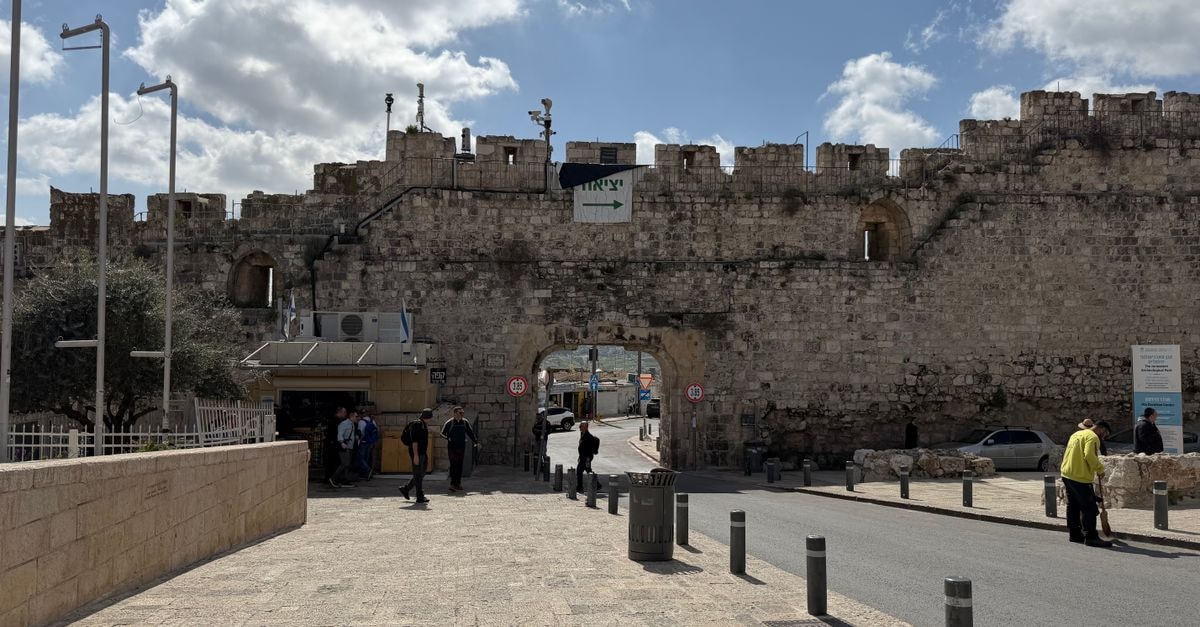
Welcome to Dhaka

There is a particular kind of energy that hits you in Dhaka: a low, constant hum of traffic layered with the calls of street vendors, the smell of something frying, and the warm weight of a humid afternoon. As the capital of Bangladesh and one of the most populous cities on earth, it can feel like a place that asks you to lean in rather than skim past. This guide is built for the traveller who wants a slow, grounded first visit: practical notes on transport, a framework for the city's many heritage sites, and an honest look at the food culture you will encounter in markets, bakeries and family kitchens.
A few things to set expectations. Dhaka is dense, layered, and rewardingly complex. Some of the best moments will not be on a checklist; they will be a plate of biryani handed across a counter, a quiet courtyard, or the view from a footbridge at dusk. The notes below are designed to help you get there with more ease, not to script every hour.
Getting Around
Dhaka's transport system can feel like a maze at first glance, but a few practical entry points make it much friendlier.
If you are arriving or departing by air, the airport has a dedicated shuttle service, labelled Bus A, that links the terminals with the airport train station and with Uttara Jasimuddin Road, where the nearest bus stop sits. It is the simplest way to connect between a flight and onward ground transport without having to negotiate the kerbside yourself. From there, you can pick up longer-distance buses or the airport rail link depending on your route.
For short hops, motorised rickshaws (often called autorickshaws) are a common sight, but they are not allowed to pick up passengers inside the airport compound itself. The usual workaround is to walk or take the shuttle to Airport Road, where autorickshaws can be boarded normally. Once you are in the city, the same rule of thumb applies in many busy zones: step out to the main road, then flag one down. It is a small thing, but it saves the awkward negotiation at restricted kerbs.
Heritage Sites and Planning Your Visits
Dhaka reads like an open-air museum, with centuries of history folded into its neighbourhoods. The city has long been described as a treasure trove of historical landmarks, architectural marvels, and cultural experiences, and that description holds up once you start walking. You will find Mughal-era mosques, colonial-era civic buildings, riverside forts, and a constellation of smaller shrines and museums spread across both the modern centre and Old Dhaka.
A useful way to think about your sightseeing is to group sites by neighbourhood rather than by date. Old Dhaka, in particular, rewards a slow, on-foot approach: the lanes are narrow, traffic is intense, and the landmarks often sit within a few hundred metres of each other. Modern Dhaka, by contrast, is easier to tackle by car or rideshare, with wider avenues and more spaced-out museums and monuments.
Because opening hours and access conditions for individual sites can shift, the most reliable approach is to decide which two or three areas you want to explore deeply, rather than trying to tick off every major landmark in a single pass. Quality of attention tends to beat quantity in a city this dense. A half-day spent wandering one historic quarter with a local guide, or even with a well-marked paper map, usually gives you more than a rushed loop of the whole city.
If you arrive with a sense of which themes interest you most, religious architecture, riverside history, or colonial-era civic landmarks, you can shape your days around those threads, and let the smaller discoveries fill in the gaps.
Food and Local Context
Dhaka's food culture is one of its strongest introductions. As one local food writer has put it, the city does not wait for you to understand it, and that is a useful starting point. Meals here are often eaten at crowded tables, on plastic stools, or standing up at a counter, and the social rhythm of eating is faster and more communal than in many western capitals.
The cooking itself tells a layered story. You can read Dhaka's kitchens like a historical ledger: Persian-style dum cooking carried in from the Mughal courts, British colonial baking traditions that still survive in Old Dhaka's bakeries, and Portuguese influences showing up in the vinegar-forward dishes of the city's Christian neighbourhoods. None of this needs to be treated as a checklist; it is simply the background hum of the place, and you will taste it in small ways throughout a stay.
Bangladeshi cuisine as a whole is known for intense flavours and distinctive cooking methods, and Dhaka sits at the centre of that tradition. Rice and fish are everyday anchors, spice blends are layered rather than one-note, and sweet finishes, from mishti to simple jaggery-based treats, often close a meal.
When it comes to specific places, biryani is one of the dishes most often pointed to as a way into local eating. Two names that come up repeatedly for biryani in Dhaka are Arong Restaurant and Jamal's Biryani, both recognised locally for their authentic flavours and generous portions. These are not the only options, and Dhaka has many other kitchens doing excellent work, but if you want a starting point that locals will nod at, these are reasonable first stops.
A few practical notes that travel well across the city: meal times can run later than you might expect, and portions are often sized for sharing. If you have dietary restrictions, pointing at a dish or asking a simple question across a counter usually goes further than a long explanation. And if a bakery in Old Dhaka catches your eye, step in: the colonial-era baking tradition is still very much alive, and a fresh biscuit or patties with tea is one of the most quietly rewarding things you can do in the city.
A Few Final Notes
A short practical checklist tends to be more useful in Dhaka than a long one. Wear light, breathable clothing. Keep small bills handy. Build in slower afternoons. Stay open to the idea that the best thing about a day here may be something you had not planned for.
For any details that affect your trip, such as transport schedules, site opening hours, or recommended routes, treat this guide as a starting framework rather than a live source. Conditions on the ground can shift, and it is always worth checking current information through your hotel, a local contact, or official channels before you finalise plans or set out for the day.
Dhaka rewards travellers who arrive curious, patient, and willing to be surprised. The notes above are simply meant to give you a steadier first step.
Share this article
TOOLS FOR THIS PLAN
Make the Dhaka plan measurable
Choose a tool only when it answers the next question in your trip. Your values stay in the browser, and each tool offers a route back to this planning context.