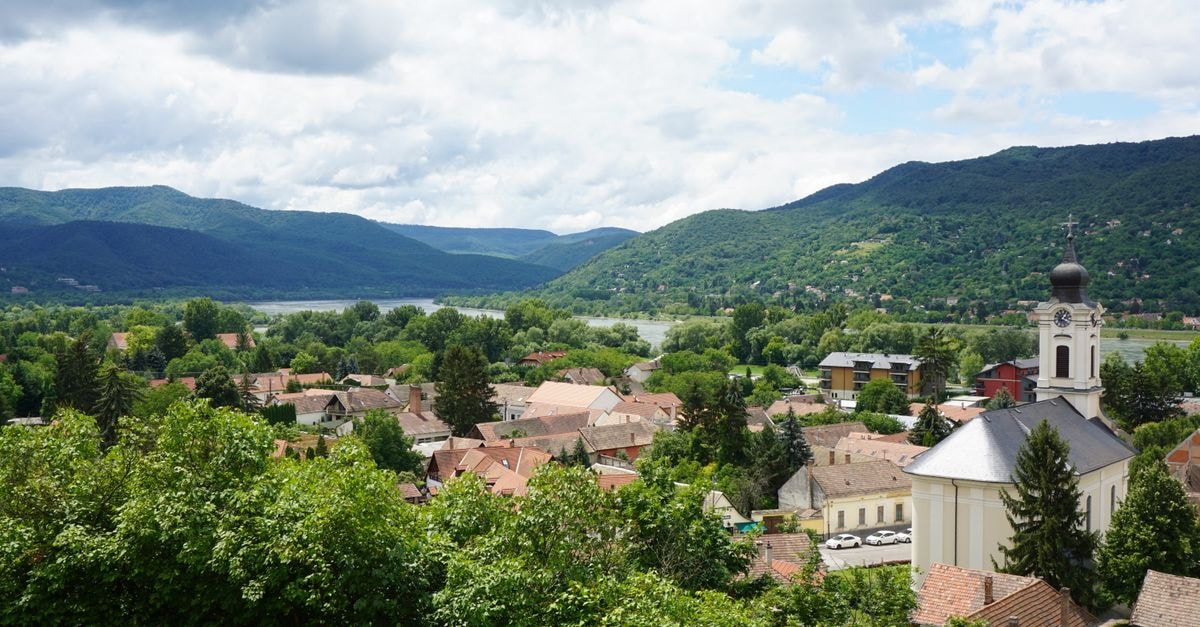
A first impression of Dijon

Dijon moves at its own rhythm. Set in the heart of Bourgogne, this is a city where pale stone façades catch the sun, where the names of wines and vineyards feel as present as street signs, and where every corner café seems to hum quietly with the confidence of a place that has been loved for centuries. Visitors tend to arrive expecting little more than mustard and a quick stop on the way south, and they tend to leave planning a longer return. That gap between expectation and reality is part of what makes Dijon feel like a discovery.
The city invites slow looking. Even before you step into a museum or sit down to a long lunch, there is a quality of light and texture in the old centre that rewards a meandering pace. The stone buildings, the patterned rooftops, the broad pedestrian streets and the quiet squares all suggest a town designed to be walked, looked at, and remembered.
Heritage and cultural highlights
Dijon's cultural weight sits inside two of its most atmospheric buildings. The Musée Rude, tucked into the transept of the former Saint-Étienne church, holds the dramatic plaster draft of "La Marseillaise" — a soaring piece of sculptural history that stops visitors in their tracks. Nearby, the Dijon Museum of Fine Arts lives inside what was originally the 15th-century Palace of the Dukes of Burgundy, a building that later served as the Royal Palace of Burgundy. Walking through its galleries means walking through the same rooms that once hosted Burgundian court life, which lends even the quieter paintings a sense of place.
For orientation, the Office de Tourisme in Dijon provides free maps and suggested itineraries, which makes it a sensible first stop on any visit. Picking up a map on arrival helps turn the historic centre into a manageable, walkable loop rather than a maze of half-timbered lanes.
A short walk or tram ride away, the Cité de la Gastronomie et du Vin offers an excellent primer on the Climats concept through interactive exhibits and a 3D terrain model of the Côte d'Or. For travellers trying to understand why Burgundian wines taste the way they do, this is the most accessible way to grasp the geography behind the bottles.
Getting around the city and choosing a base
Dijon is compact enough that walking handles most of the central sightseeing, but the city's accommodation scene rewards a little research. Several appealing properties sit inside the historic Quartier des Antiquaires and cost roughly €90–€130 per night including breakfast, a useful ballpark for travellers comparing mid-range stays.
One insider tip worth remembering: look specifically for properties with a cave à vins — a wine cellar. Owners in this part of the world tend to take tastings seriously and often pour wines that simply aren't available in any shop. Staying somewhere with its own cellar can quietly turn an ordinary evening into one of the most memorable moments of the trip, especially for visitors who care about wine but don't want to spend days driving between vineyards.
For moving between sights, the city centre's pedestrian-friendly layout and the tram network make most journeys easy. Locating yourself near the historic core keeps everything within reach on foot, which is how Dijon is best experienced.
Wine country context without leaving the city
Visitors who arrive in Dijon often find themselves thinking about wine before they even unpack. The region has spent generations defining what a single vineyard site can mean, and that thinking — the Climats of the Burgundy terroir — runs through everything from museum exhibits to neighbourhood dinner tables. The Cité de la Gastronomie et du Vin is the cleanest place to begin understanding this, because its exhibits translate a complex cultural and geographic idea into something a curious traveller can hold onto without a viticulture degree.
Back in the Quartier des Antiquaires and the surrounding streets, the wine sensibility shows up in small ways: cellars under small hotels, thoughtful lists in neighbourhood restaurants, the easy confidence of people who have grown up around some of the most storied bottles in France. A traveller doesn't need to leave the city to feel the pull of the surrounding vineyards.
Food culture and dining context in France
Food in Dijon is best approached through the wider French dining culture, which still shapes how every meal is served, ordered and enjoyed across the country. Understanding French food culture transforms how you eat in France: meals are structured moments rather than quick refuellings, and the rhythm of a lunch or dinner is part of the experience itself.
Restaurant etiquette in France follows unwritten but deeply felt rules, starting with the greeting and ending with how you handle the check. A few small habits go a long way. A polite greeting on the way in — even a simple bonjour — sets the tone. Letting the host guide the seating, taking time over courses, and treating the bread and cheese as part of the meal rather than a side thought all fit naturally into the rhythm. Asking for the bill is itself a gesture; in many places, signalling rather than calling for it is the more relaxed approach.
France's rich culinary heritage is still palpable today, with regional specialties like bouillabaisse from Marseille and duck confit from the south playing an integral part of the country's gastronomic identity. Travellers may notice echoes of these wider traditions while dining in Dijon, alongside the Burgundian classics the city is known for. The point isn't to memorise a national inventory of dishes, but to slow into the local pace — to treat each meal as a small occasion and to let the city's wine sensibility colour what's poured alongside.
Weather and seasonal context
The climate context for Dijon follows a typical Burgundian pattern: summers tend to bring warm, pleasant days that invite long lunches and outdoor wandering, while the shoulder seasons offer cooler light and quieter streets. Because seasonal conditions vary year to year, the most reliable approach is to dress in light layers during warmer months and to pace the day so that the heaviest sightseeing falls outside the brightest afternoon hours. The historic centre is largely flat and easy on the feet, which makes gentle, all-day exploration realistic.
For current conditions before travelling, official weather services and the Office de Tourisme in Dijon are the most reliable references.
Closing thoughts
Dijon rewards travellers who arrive with curiosity and a willingness to slow down. The heritage inside the Palace of the Dukes of Burgundy, the dramatic sculpture of "La Marseillaise" at the Musée Rude, and the wine-country thinking at the Cité de la Gastronomie et du Vin together form a coherent story that is easy to absorb over a few unhurried days. Staying in the Quartier des Antiquaires, ideally in a property with its own cave à vins, adds an extra layer of texture.
Factual conditions — including prices, opening hours and transport details — can change. Before departure, check the Office de Tourisme in Dijon and official transport sources for the most current information, and confirm rates and availability directly with any accommodation or service you plan to use.
Prices, opening hours, schedules, reservation rules, and local conditions can change; verify them through official channels before departure.
Share this article
TOOLS FOR THIS PLAN
Make the Dijon plan measurable
Choose a tool only when it answers the next question in your trip. Your values stay in the browser, and each tool offers a route back to this planning context.