A first look at Doba

Because the evidence available for this guide is intentionally limited, what follows focuses on two themes that are well supported: the broader seasonal context that shapes a visit to the Logone Oriental area, and the wider Chadian food culture that travellers may encounter once they arrive. Treat this as a foundation you can build on with local contacts, updated maps and current advice closer to departure.
Weather and seasonal context
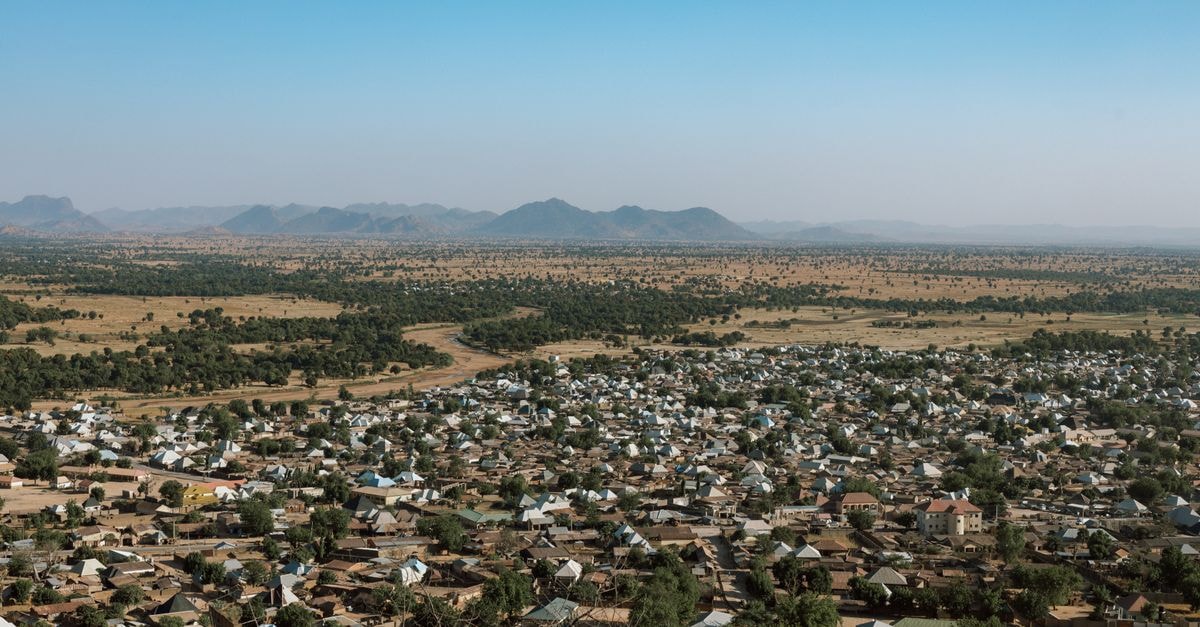
Doba's position in southern Chad places it in a tropical zone where the rhythm of the year is shaped by rainfall rather than by the four temperate seasons familiar to many travellers. The capital of Logone Oriental serves as the primary gateway for visitors, and that gateway framing also implies that most journeys here will pass through conditions that can feel hot and humid for long stretches of the year. There is no approved month-by-month data in this guide, so instead of guessing at exact temperatures, the useful move is to plan around the broader pattern: a long wet season that can make rural roads slow going, and a dry season that tends to be easier for overland movement and outdoor time.
For travellers, this translates into a few practical considerations that hold true across most visits. Pace the middle of the day gently, when the sun is strongest. Carry water consistently rather than waiting to feel thirsty. If you are combining Doba with time in surrounding villages, ask locally about road conditions before setting out, because the same route can feel very different depending on recent rain. Lightweight, breathable clothing, a hat and reliable sun protection will earn their keep in any season.
Because the source evidence does not give specific figures for any particular month, this guide does not attach numbers to temperature, rainfall or humidity. Treat any general weather claim you read elsewhere as a starting point, and verify current conditions through an official meteorological source before you travel. The goal here is not to promise a forecast, but to help you think about how the climate of the region quietly shapes the rhythm of a visit.
Food and local context
Food is one of the most immediate ways a new place introduces itself, and across Chad that introduction tends to arrive through scent before sight, reflecting the country's wider national food culture. Doba sits within that tradition rather than apart from it, so understanding the national table helps you read what is set in front of you, whether you are eating in a family setting, a simple restaurant or a roadside stall.
The dish that anchors many Chadian meals is boule, a thick sorghum porridge that often appears as a main staple in homes and eateries across the country. It is described as a dense, dough-like sphere of sorghum flour that steams in its own moisture when tipped onto enamel plates, an image that captures both the cooking method and the unhurried, communal feel of how it is served. Boule is widely marked as a must-try element of Chad's culinary heritage, and for visitors this matters because it is the kind of food that does double duty: it fills you up, and it opens a conversation about sorghum, local agriculture and the everyday rhythm of meals in the region.
Because the food evidence available here is national in scope, none of these dishes should be treated as a guaranteed menu item in any specific Doba restaurant or market. Instead, treat them as the wider Chad context that visitors may encounter while in the city. The real value of knowing boule and the surrounding customs is that, when something similar appears on your plate, you will recognise it, ask better questions and eat with more confidence.
Choosing what fits the trip
Doba rewards travellers who arrive with a clear sense of what they want from a visit to Logone Oriental. If cultural exchange and the everyday texture of southern Chad are the main draw, the city is a practical and well-placed base, and the wider Chadian food scene will do a lot of the storytelling for you through boule and the meals built around it. Travellers who prefer tightly scheduled urban sightseeing with a long list of ticketed attractions may find the experience lighter on structure; the richness here lies in people, language and meals rather than in a dense itinerary. If you are sensitive to heat and humidity, plan around the cooler parts of the day and build in rest, because the climate of the region tends to set the pace whether you are walking through town or travelling onward.
Before you go
A short list of honest, practical questions can save a lot of frustration on the ground. Confirm the current road and security situation for the Logone Oriental region through official channels before departure, and again shortly before you set out. Check the latest health guidance, including recommended vaccinations and prophylaxis, with a travel medicine provider. Verify whether your planned accommodation in or near Doba is currently operating and how payment is handled, since card acceptance can be limited outside major centres. Look up the live exchange rate between your home currency and the Central African CFA franc before budgeting, and treat any figure you read elsewhere as a reference rather than a guarantee. Because this guide is evergreen and the underlying evidence is limited, a final review of conditions closer to your travel dates is not optional; it is part of a responsible visit to a region where information changes quickly.
Factual travel conditions can change, and official channels should always be checked before departure.
Share this article
TOOLS FOR THIS PLAN
Make the Doba plan measurable
Choose a tool only when it answers the next question in your trip. Your values stay in the browser, and each tool offers a route back to this planning context.