Setting the scene in Dori

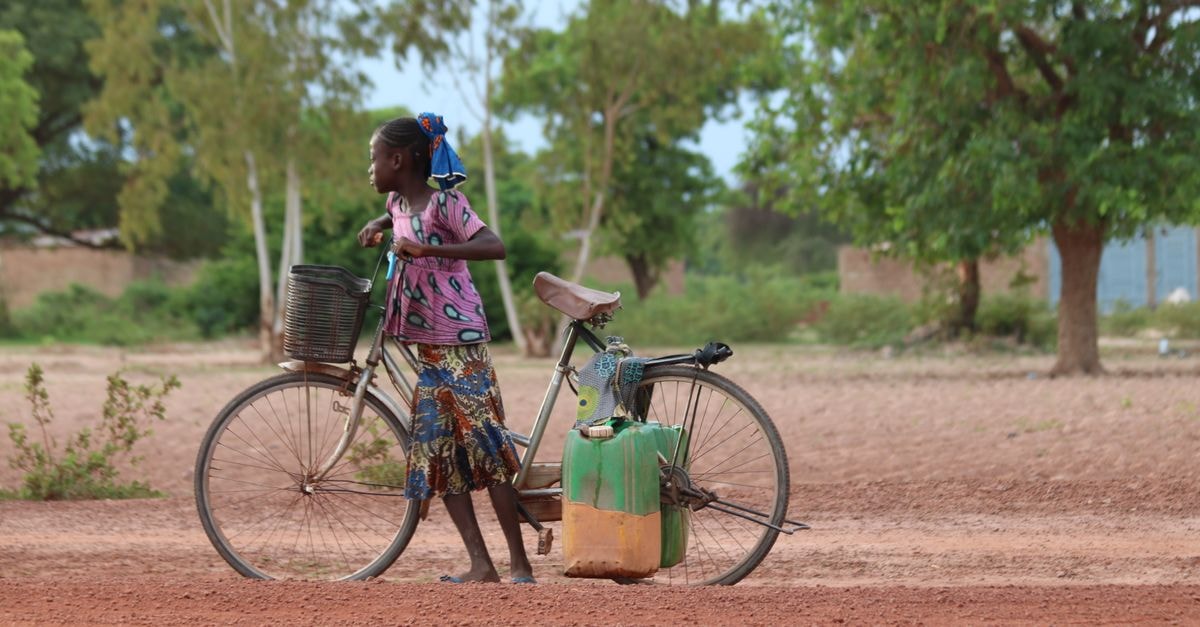
Dori is the kind of Sahelian town that travelers often arrive at simply because it is the major hub of Burkina Faso's Sahel Region. The morning light arrives filtered through a haze of fine Sahel dust that softens the low-rise skyline and gives the whole place an amber wash. It feels far removed from the country's southern cities, both in landscape and in the rhythm of the day, and that sense of distance is part of the appeal for visitors who want a quieter side of Burkina Faso.
This guide is for the curious independent traveler who prefers slow, on-the-ground exploration over a checklist itinerary. It is written for people who want context — what the climate is really like here, how the road network connects you to the wider region, what kind of cultural and market experiences shape a visit, and how to think about food in a town that sits firmly in pastoral Sahelian territory.
Weather and seasonal context
Dori sits deep in the Sahel, where very hot, dry periods alternate with a brief rainy season. The town's climate is classified as Hot Semi-Arid, with very hot summers that peak in May and warm winters that reach their coolest point in January. For visitors, that means most of the year is dominated by heat, dryness, and dust, with a short wet window where the landscape briefly greens and the air feels heavier.
Because the rhythm is so strongly shaped by these two phases, it helps to plan your daily rhythm around the heat rather than against it. Mornings and late afternoons tend to be more comfortable for walking the central market and town streets, while the middle of the day often encourages a slower pace indoors or in shade. If you prefer gentler temperatures for longer walks around the town, the cooler winter window can suit that approach better than the high-summer stretch.
Pack light, breathable layers even in cooler months, and expect dust rather than rain to be the more constant companion. Sun protection matters more than an umbrella for most of the year.
Getting around
Dori is connected to the rest of the Sahel Region primarily by road, and the local _gare routière_ (bus station) is the main springboard for travel onward. Long-distance buses and shared vehicles depart from here toward other Sahelian destinations, and the road network around the town forms part of broader regional transport routes that have shaped settlement in this part of Burkina Faso for generations.
Within the town itself, getting around typically means a mix of walking, motorbike taxis, and shared vehicles. The compact scale of the central area makes short walks between the market, the colonial-era post, and nearby guesthouses very feasible.
A practical tip worth remembering: road transportation options tend to multiply on marché day, when more vehicles run between Dori and surrounding Sahel towns. If your schedule has any flexibility, aligning an onward journey with the weekly market day can give you more choice in vehicles, departure times, and seating. Ask locally which day is the main market day when you arrive, since it is the social and logistical pulse of the town.
For travelers who like planning flexibility over fixed schedules, this rhythm can suit you well. If you prefer guaranteed seat reservations and timetables, the looser transport culture of the Sahel can feel less predictable, and you may want to build in extra buffer days before any onward connection.
Attractions and planning
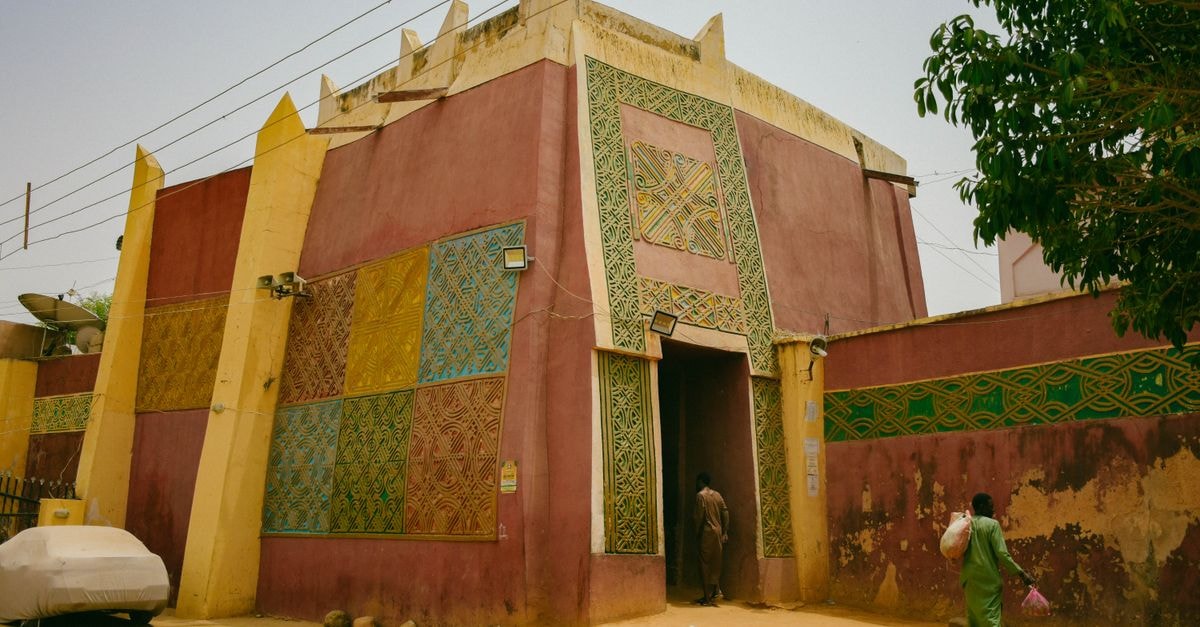
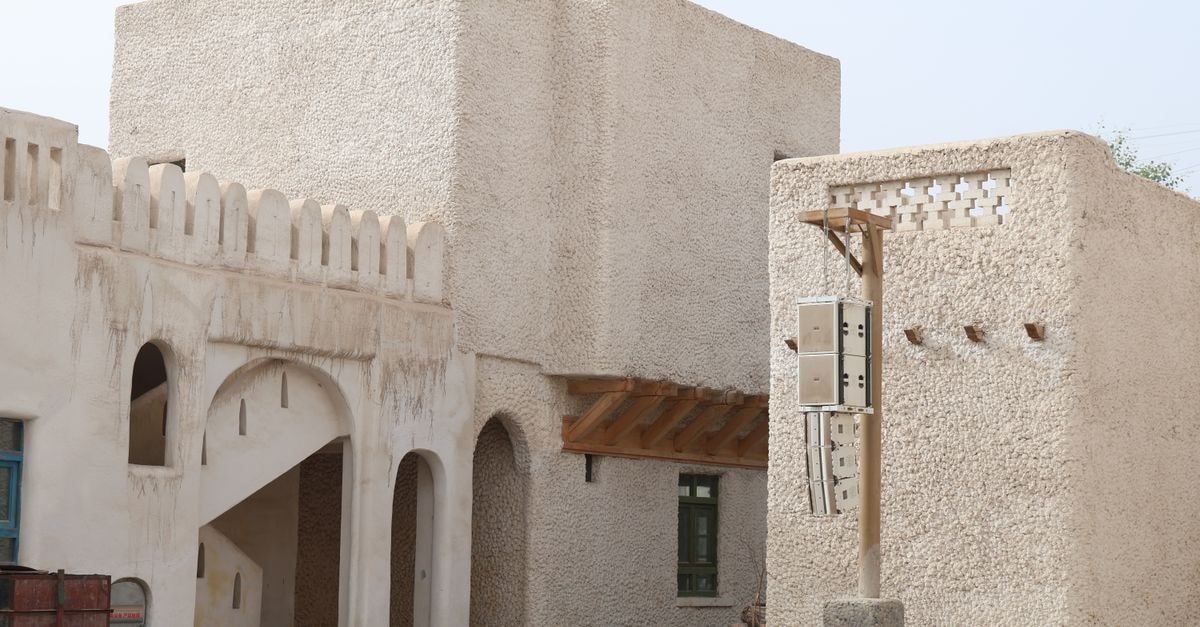
Dori is not a town of grand monuments. Its appeal is in atmosphere, regional culture, and a handful of small but meaningful stops. The Sahel setting, the dust-in-the-air light, and the pace of life are the main attractions in their own right, with a few specific points of interest giving structure to a visit.
The regional museum inside the old colonial post is a quietly interesting stop. It is small — essentially one room — but it offers context about the region's pastoral cultures, history, and the wider Sahelian landscape. For travelers interested in deeper regional context rather than large-scale museum collections, this kind of intimate, place-specific museum can suit you well. If you prefer grand national museums with broad collections, the single-room scale may feel underwhelming, and you may want to temper expectations accordingly.
Beyond the museum, the main cultural and visual anchor of the town is its central market. Dori Central Market is described as the vibrant heart of the town, where you'll find everything from hand-woven Fulani blankets and leather goods to spices and livestock. It is a working market first and a visitor attraction second, which is exactly what makes it rewarding. Plan to walk slowly, watch, and let conversations happen at their own pace rather than treating it as a hurried shopping stop.
Surrounding the town, the Sahel landscape itself is part of the experience: open horizons, sparse vegetation, and the sense of being at the edge of the Sahara. Travelers with an interest in pastoral cultures, Fulani heritage, and Saharan fringe environments tend to find Dori especially rewarding. Those looking for dramatic natural landmarks or dense historical architecture may want to balance expectations — the value here is more subtle and atmospheric than monumental.
For planning, allow time for unhurried mornings, a market visit, and the regional museum, plus slack for the slower rhythm of Sahelian travel. There are also broader regional cultural draws that visitors may encounter while in the area, particularly the pastoral traditions of the Fulani communities across the wider Sahel. Treat these as context to observe and respect rather than a fixed agenda.
Food and local context
Dori's food scene is shaped firmly by Sahelian and wider Burkinabè traditions. The central market is the obvious place to start understanding what the region eats: grains, millet-based staples, dried and fresh produce from the Sahel, dairy from pastoral herding, and the kind of street food that turns up wherever people gather.
What kind of trip suits Dori
Dori suits travelers who are comfortable with slow, low-infrastructure travel and who value atmosphere, pastoral culture, and the Sahel setting over headline sights. It is a good fit for people interested in Fulani traditions, in markets as living spaces rather than tourist stops, and in remote-feeling places where the rhythm of the day is shaped by heat, dust, and market days rather than timetables.
It is less of a fit if you are looking for a dense museum circuit, varied dining, or seamless onward transport with frequent departures on any day of the week. Building extra days of buffer for connections, and treating Dori as a cultural and atmospheric stop rather than a checklist destination, tends to be the right frame.
Before you go
A few essentials to confirm before departure: current road and security conditions on routes into and out of the Sahel Region, the actual day of the main market, and any visa or health requirements specific to your nationality. Factual travel conditions can change, and official channels should always be checked before you set out. Conditions in the Sahel Region can shift with the security and humanitarian situation, so up-to-date government travel advisories and on-the-ground contacts are essential reading before any trip into northern Burkina Faso.
Share this article
TOOLS FOR THIS PLAN
Make the Dori plan measurable
Choose a tool only when it answers the next question in your trip. Your values stay in the browser, and each tool offers a route back to this planning context.