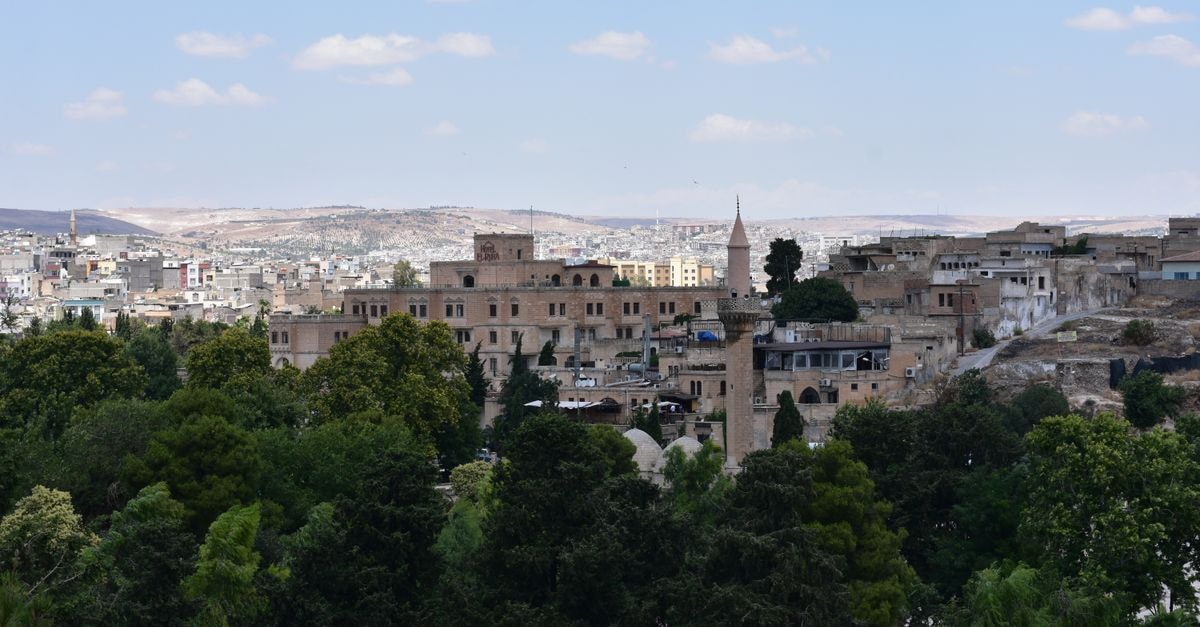
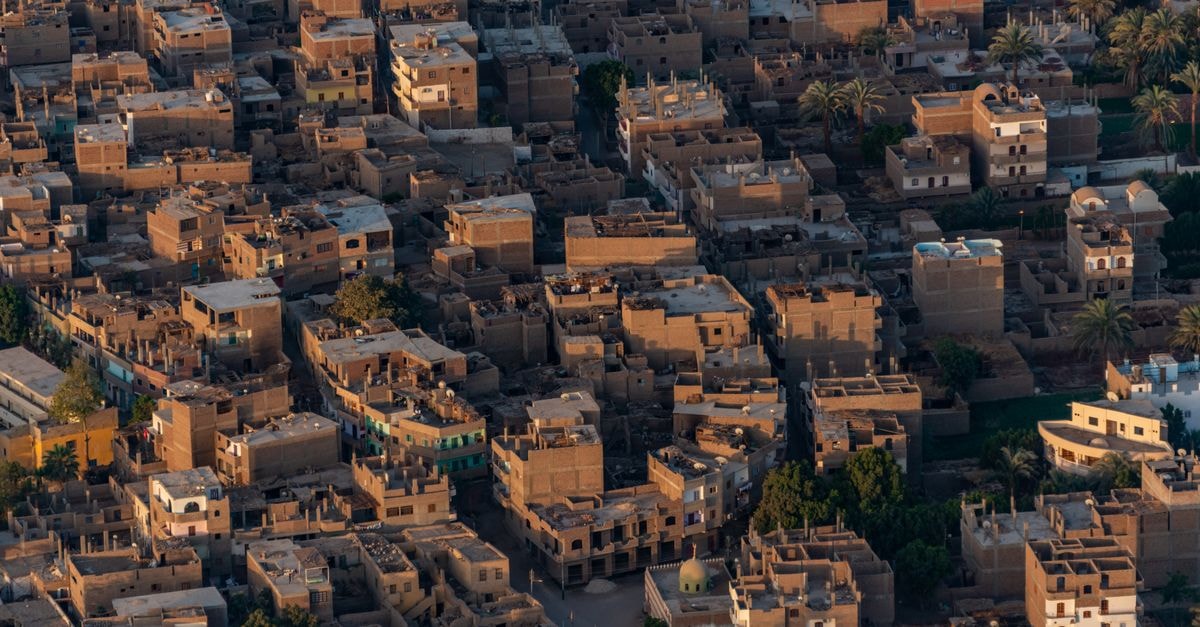
There's a particular kind of city that rewards slow walking and long conversations, and this corner of southwestern Niger fits that mood. Dosso, the capital of the Dosso Region, carries the rhythm of a place where market days shape the week and hospitality is a way of life. It sits a manageable distance from Niamey, the national capital, which makes it approachable for travelers building a wider Niger itinerary while still feeling distinct from the capital's pace.

This guide pulls together what visitors can realistically plan around: how to arrive, when the weather feels friendliest for unhurried exploring, what historic sight anchors the city, and how the everyday Nigerien table shapes the experience. It is written for travelers who like to understand a place before they arrive, and who prefer flexibility over a packed schedule.
Weather and seasonal context
Dosso's climate rewards a little planning. Travel scores used by climate references generally favor the cooler stretch from mid-November through late February for hot-weather activities, which is the window when the heat steps back and walking through the city feels less demanding. Outside that window, conditions are warmer, and a slower midday pace tends to suit the day better than trying to sightsee through the hottest part of the afternoon.
Getting around
Reaching Dosso is the most straightforward part of the journey. The closest international airport is Diori Hamani International Airport in Niamey, from where travelers continue overland to Dosso. That positioning means most international arrivals funnel through Niamey first, and the leg into Dosso is treated as a second short hop rather than a long cross-country transfer.
Once in the city, distances are modest and the rhythm is pedestrian-friendly. Travelers who prefer to keep things simple can walk between the central areas, while shared taxis and motorbike transport cover the longer stretches. Because conditions and transport availability can shift, it is sensible to confirm current local options on arrival.
Attractions and planning
The defining historic landmark in the city is Dosso Fortress, a site that reflects the architectural and strategic significance of the region. Visiting it early in the morning, before the day warms up, is a comfortable way to take in the site and its context. Photographers and history-minded travelers tend to find the fortress rewarding because it offers a tangible sense of the area's past without requiring a long detour.
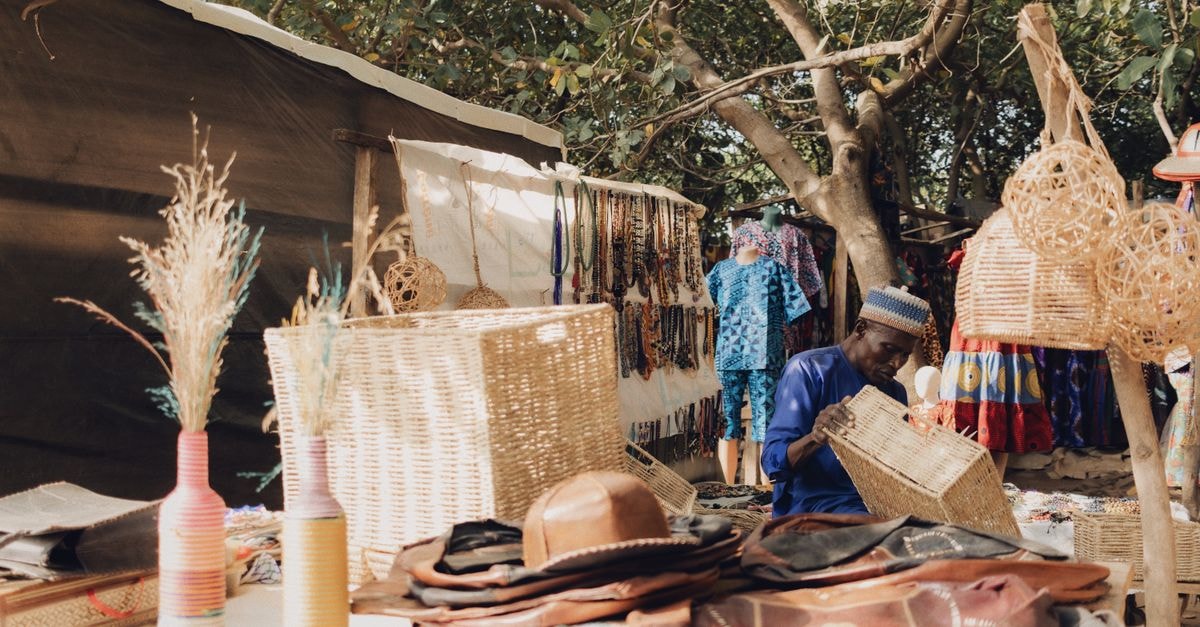
The other anchor of any visit is the Grand Market, where the Sunday market is the standout day for visitors who want the fullest local atmosphere. Planning a stay that includes a Sunday, or at least arriving the day before, lets travelers experience the market at full pace and gives a generous sense of how commerce and community overlap in the city. Travelers who prefer a calmer scene can visit on the quieter days, when the same stalls trade at a steadier, more conversational tempo. Anyone hoping to photograph the market should plan around morning hours, when light is softer and the market is busiest.
Food and local context
Dining in Dosso is built around hearty, flavorful staples, and mealtimes tend to be social moments rather than quick stops. Expect dishes that lean on grains, sauces, and slow-cooked flavors, with portions generous enough to share. Travelers who like to eat where locals eat will find that asking for the busiest nearby spot at lunchtime usually points to a good choice.
A few dishes appear often enough that visitors tend to encounter them in Dosso as well. Jollof rice shows up at many tables in varied local forms, and Dambun nama, a beef jerky preparation, is a flavorful snack that rewards curious eaters. Travelers with strict dietary preferences should mention them when ordering, since portion sizes and ingredients can vary by cook.
Food also offers one of the clearest windows into daily life here, so slowing down for a long lunch or an unhurried dinner tends to be more rewarding than racing between sights. Visitors who enjoy markets will find the food stalls as interesting as the craft vendors, both for what is on offer and for the conversations that happen around them.
Choosing what fits your trip
A few tradeoffs can help shape the right kind of visit. Travelers who prefer mild weather for walking tours may want to align their dates with the favored cooler season, while those drawn to local energy and willing to pace themselves can find the warmer months rewarding too, particularly if a Sunday market visit is a priority. Reaching Dosso through Niamey suits travelers comfortable with a short two-step journey, while those who want the simplest possible arrival may prefer to keep the wider Niger portion of their trip in the capital region.
For sightseers, Dosso Fortress pairs naturally with the Grand Market on different days of the week, which lets travelers choose between a quieter historic morning and a livelier market afternoon depending on mood. Travelers who like photography will find both subjects responsive to early light, and those who prefer food-led days will find that mealtimes naturally stretch into some of the best hours in the city.
A quick note before you go
Travel conditions in Niger can shift, and opening hours, transport options, and local services are worth confirming through official channels before departure. Treat the notes above as durable city context rather than a fixed schedule, and check current guidance closer to your travel date. Currency, weather, and transport details in particular benefit from a last-minute look at reliable sources.
Share this article
TOOLS FOR THIS PLAN
Make the Dosso plan measurable
Choose a tool only when it answers the next question in your trip. Your values stay in the browser, and each tool offers a route back to this planning context.