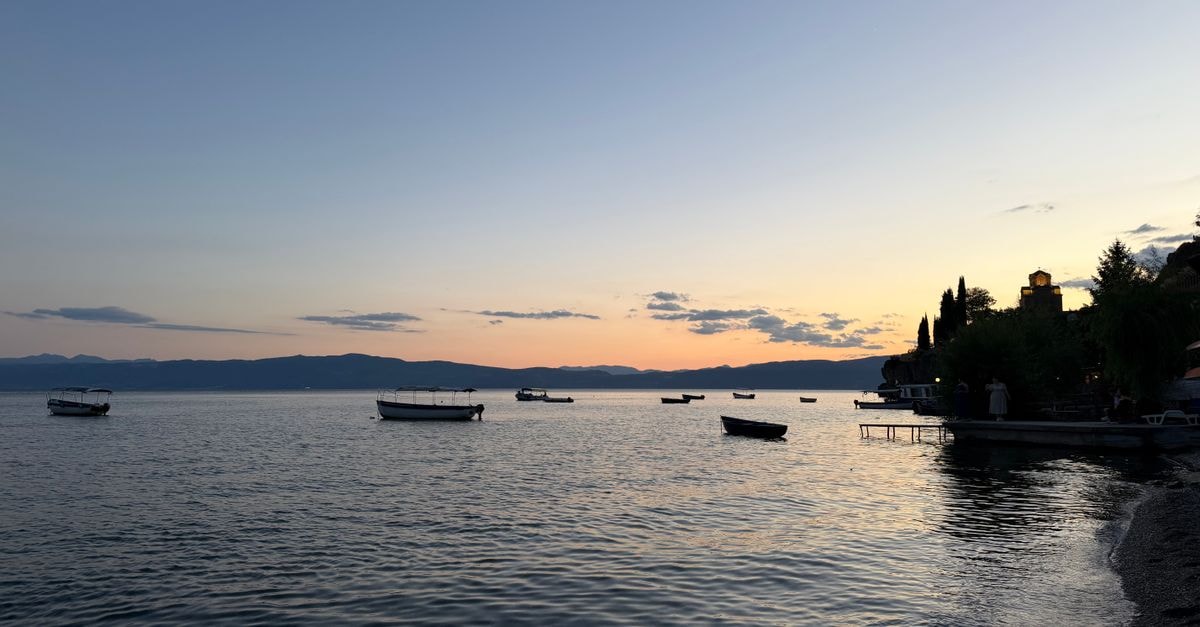
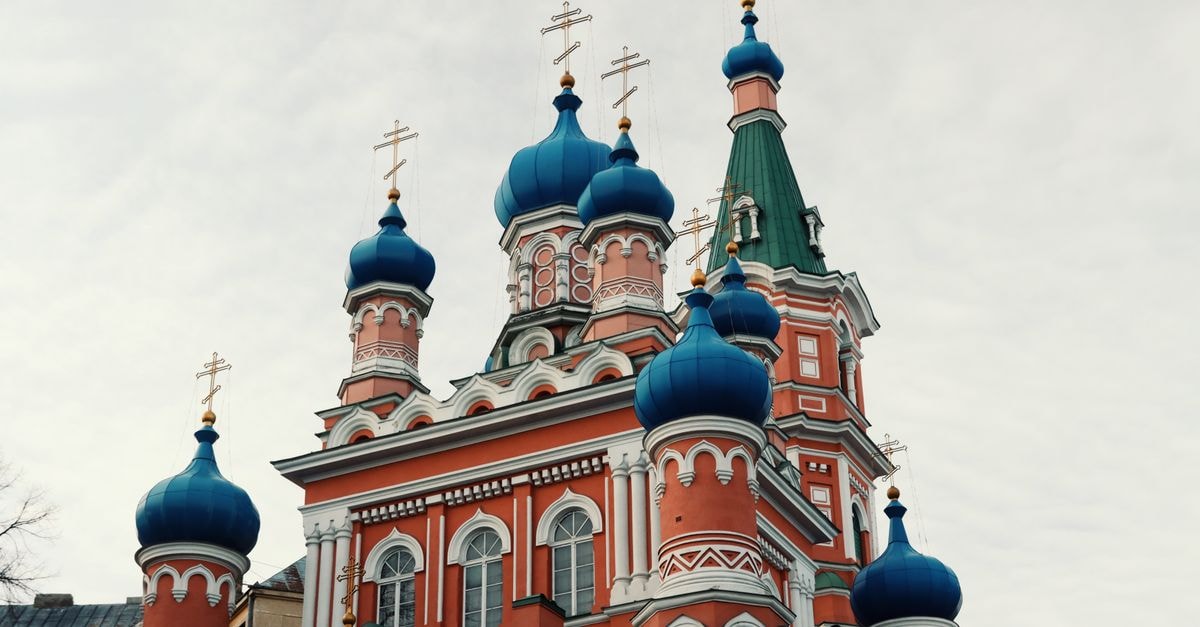
A Slow Morning by the Adriatic

There is a particular kind of light that settles over the Adriatic coast in the morning, the kind that turns limestone walls into something almost glowing, and Dubrovnik wears that light well. Old town lanes warm up quickly, ferries ease across the harbour, and the rhythm of the day tends to be unhurried until visitors start arriving in numbers. Independent travellers who like to set their own pace often find Dubrovnik rewarding because the core experiences cluster within a compact historic core, while boat operators and tour desks sit close at hand along the waterfront. This guide focuses on the two things the approved evidence supports most clearly: how to think about getting around, and how to frame the attraction choices that travellers tend to compare first.
Getting Around
Movement in Dubrovnik tends to begin with one practical question: where to base yourself in relation to the old town. Hotel listings on major review platforms allow you to filter by distance to the city centre, which is a useful starting point because the historic core is walkable, and many of the most photographed sights sit within the walled perimeter. Travellers often choose accommodation just outside the walls to soften prices and open up easy walks to quieter beaches or coastal paths. When comparing options, it is worth paying attention to how a property is described in terms of its distance to the centre rather than to a specific landmark, since local geography can stretch the practical walking time beyond what a map suggests.
The city also has an airport-taxi scene that shows up in traveller reviews. A listing for Dubrovnik Airport Taxi appears on a major review platform at Vukovarska 17, with a cluster of nearby points of interest flagged within a five-kilometre radius. That kind of cluster signal can be a useful proxy when you want to confirm that a service listing is genuinely based in the city rather than in a transit hub further up the coast. Because this guide is evergreen rather than tied to a specific date, the smart move is to check the latest reviews and any pricing or availability notes directly on the platform before you commit, especially during periods when cruise arrivals lift overall demand.
For general orientation, two habits serve independent travellers well. First, decide in advance whether you want to walk everywhere from a central base, or whether you plan to use taxis or local buses to reach beaches and viewpoints that sit outside the walls. Second, build in time for the simple, repeated walks back to your accommodation. Returning through Pile Gate or Ploče Gate at golden hour is part of the Dubrovnik experience, not a detour from it, and treating it as such keeps the day relaxed rather than rushed.
Attractions and Planning
Attractions in Dubrovnik tend to split into two broad camps that show up again and again in review data: walking tours that focus on the history and layout of the old town, and boat tours that work the coastline and nearby islands. Both are well represented on the major review platforms, which means comparison shopping is straightforward, but the shape of each experience is quite different.
Walking tours sit within the walled historic core and are the easiest way to get your bearings on a first visit, while boat tours are the other backbone of the attractions landscape. The listing for Dubrovnik Boat Tours is a useful reference point for the boat category. It operates from a base within the city with a boat location on the waterfront at Obala Stjepana Radića 3, and carries a notably higher volume of traveller reviews than the typical walking tour, suggesting that this category is a popular way to spend a half or full day. Because the listing ranks in the upper portion of available tours in the city, it is a reasonable starting point when you want to compare what is on offer within that ranked set of city tours.
A practical planning habit is to book at least one boat experience in advance, particularly if your travel dates fall into a busy window. The other is to leave room in your schedule for unscripted time inside the walls. Many travellers find that their most memorable moments come from wandering side streets, climbing a section of wall, or pausing at a quiet viewpoint, rather than from a packed schedule of timed entries. Treat the booked tours as anchors and the rest of the day as open space, and the city tends to reveal itself at a more enjoyable pace.
A Note on Choosing Tours and Services
Because the available evidence centres on review-platform listings, a few practical habits are worth building into your planning. Read recent traveller reviews rather than relying on a single high score, because service quality, boat conditions and group sizes can shift between seasons. Check the exact meeting point and pick-up arrangements before you book, especially for boat tours and airport transfers, since coastal addresses can be confusing on first arrival. And where a listing offers a choice of departure times, morning departures often combine calmer water with smaller groups, which is a pattern many seasoned travellers value even when they cannot be guaranteed in advance.
Independent travellers who like to compare options will also notice that review platforms surface a recognised award badge for accommodations, attractions and restaurants that consistently earn strong feedback and rank within the top tier of listings. That signal is a useful filter when you are browsing a long list and want to narrow the field quickly, though it should still be cross-checked against the most recent reviews for the specific dates you are considering.
Prices, opening hours, schedules, reservation rules, and local conditions can change; verify them through official channels before departure.
Share this article
TOOLS FOR THIS PLAN
Make the Dubrovnik plan measurable
Choose a tool only when it answers the next question in your trip. Your values stay in the browser, and each tool offers a route back to this planning context.