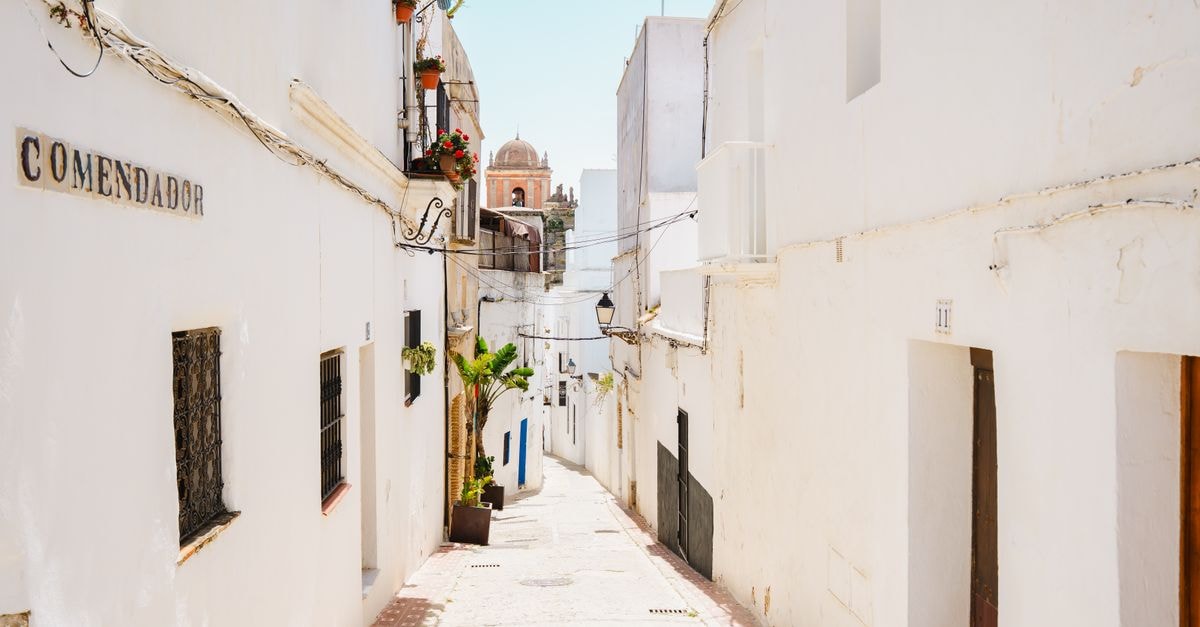
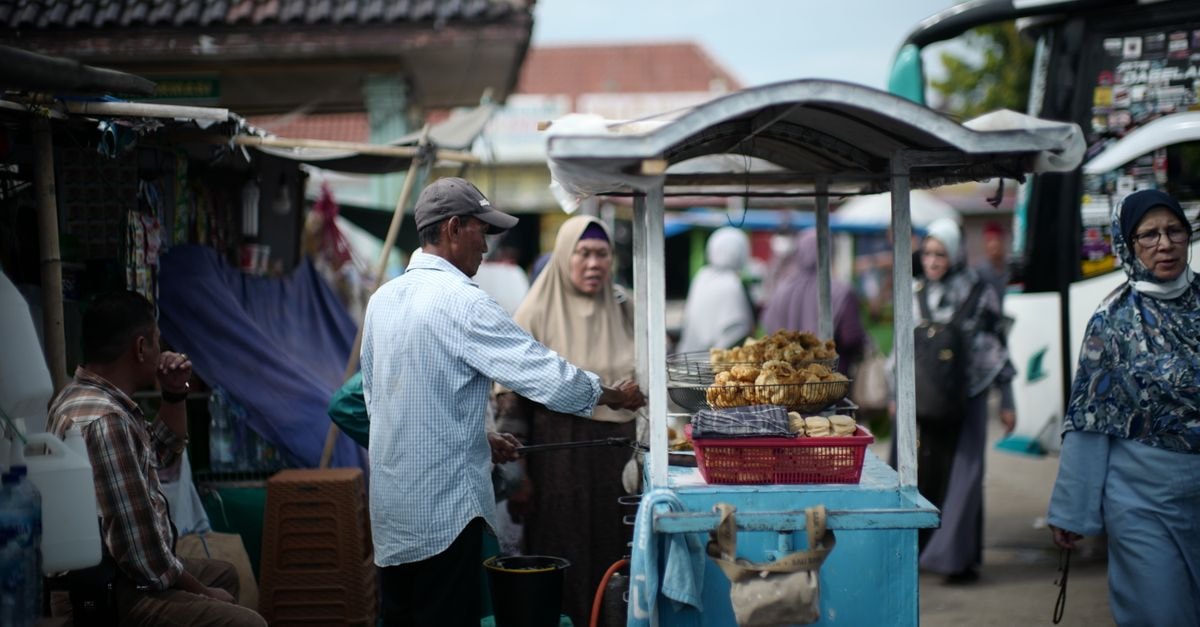
Duhok has the feel of a city that hums quietly rather than shouts for attention. Set in the far north of Iraq and serving as the capital of Duhok Governorate within the Kurdistan Region, it sits close to both the Syrian and Turkish borders, a position that gives it an unusually open, cross-border atmosphere for a city in this part of the world. Travelers who like to step into places that most guidebooks only mention in passing often find that this regional capital rewards a slower pace and a willingness to look beyond the obvious.

What makes Duhok interesting is partly its role in the wider region. It functions as an economic and commercial center for Iraqi Kurdistan, a fact that translates in practical terms into a working city with universities, banks, and the everyday services a visitor needs. There is also a sense that the surrounding landscape matters as much as the city itself. Mountaineers and road-trippers tend to use Duhok as a base for exploring the wider governorate, and it is regularly described as a launching point for visits to nearby monasteries and waterfalls that respond to seasonal rains in the hills beyond the city.
Weather and Seasonal Context
The climate question in Duhok is less about extremes and more about choosing a gentle window for being outside. Spring and autumn are commonly noted as the most pleasant periods for both mountain and city outings, with milder temperatures that make walking around the center and heading out toward the hills more comfortable than the high summer or the colder months. The practical takeaway is that visitors who enjoy being on their feet for long stretches, whether that means wandering neighborhoods or using Duhok as a base for longer drives, will often prefer those shoulder seasons.
If you are mapping out your trip around outdoor plans, consider building in some flexibility. The waterfalls and natural features that draw travelers into the surrounding area tend to depend on seasonal rains, so conditions in the hills can shift the feel of a day trip quite a bit. A relaxed pace, with room for a slower morning or a long lunch if the weather turns, often suits this region better than a tightly packed schedule.
A few everyday realities are worth knowing before you arrive. Daily power cuts are common, and most buildings rely on private generators to keep lights and appliances running, a fact that visitors who need to charge devices or work from a hotel room should factor into their routine. Banking is straightforward in the city center, which is useful information for travelers who need to exchange money or use local services.
One small but memorable piece of Kurdish hospitality culture is the offer of a glass of sweet black tea, known locally as chay. Accepting tea from a shopkeeper is a simple, friendly way to engage with the everyday culture of the city, and it often leads to a short, warm conversation that you would not get from a hurried transaction. Travelers who enjoy slower, people-oriented travel often find this kind of small ritual one of the most rewarding parts of a visit.
Attractions and Planning
Duhok is best understood first as a regional capital, and second as a gateway. The city is the administrative center of Duhok Governorate and one of the main cities in the Kurdistan Region, so visitors will find the usual mix of civic life, markets, universities, and services that come with that status. The American University of Kurdistan is part of the fabric here, contributing to the city's identity as a place of learning and contributing to its wider economic value to Iraqi Kurdistan.
For travelers who like to plan around landscape rather than a checklist of monuments, the more compelling reason to base yourself in Duhok is its geography. The city sits near the 37th parallel, close to the Syrian and Turkish borders, which places it within reach of a varied countryside of mountains, valleys, and seasonal waterfalls. Many visitors treat Duhok as a starting point for excursions into the governorate rather than as a single-sight destination, and that framing tends to shape a more rewarding trip.
Because the city is positioned as a regional center, it has the practical infrastructure that makes a longer stay comfortable. Banks, universities, and a working commercial economy mean that errands like exchanging currency, finding a reliable café, or arranging onward transport are usually straightforward. Travelers who prefer a base that feels lived-in rather than curated often appreciate this side of Duhok.
Choosing What Fits Your Trip
Duhok tends to suit travelers who are curious about a less-frequented corner of the Middle East and who enjoy combining city time with light outdoor exploration. If your priority is a working city with services, universities, and a clear identity as a regional capital, the urban core and its everyday rhythm will be enough to fill a few days. If you would rather use Duhok as a base for monasteries and waterfalls in the wider governorate, build in time for slower drives and accept that conditions in the hills can change with the season. Travelers who rely on steady electricity for laptops or medical devices should plan around the common power cuts and the generator culture of local buildings. And if you enjoy small cultural exchanges, accepting a glass of chay from a shopkeeper is an easy way to open one up.
Practical Notes Before You Go
Conditions on the ground can shift quickly in any destination, and Duhok is no exception. Bank branch locations, transport options, and daily routines can change, so it is worth checking current travel advisories and local information through official channels before you set off. Treat any factual detail here as a starting point for your own planning rather than a final answer.
Currency and exchange rates move constantly, and the rate you see online is only a reference. For accurate, up-to-date figures, check the live rate on the day you exchange money, and confirm any fees with the provider. A quick check before you travel can save both money and hassle on arrival.
Factual travel conditions, from opening hours to local regulations, can change without notice. Official government travel guidance and local contacts remain the most reliable source for the latest information before departure, and they should be your first stop in finalizing any plans made on the basis of this guide.
Share this article
TOOLS FOR THIS PLAN
Make the Duhok plan measurable
Choose a tool only when it answers the next question in your trip. Your values stay in the browser, and each tool offers a route back to this planning context.