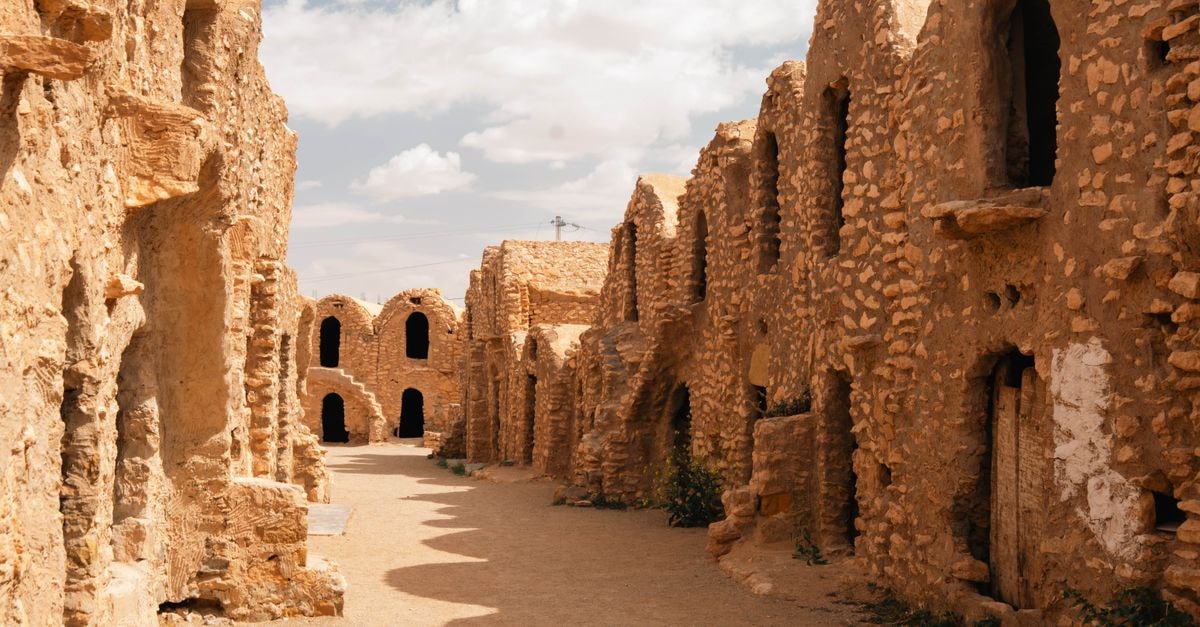
A gentle first look at Efon-Alaaye

Efon-Alaaye sits quietly within Ekiti State, a part of southwestern Nigeria shaped by Yoruba life, language, and community rhythms. The town has the unhurried feel of a place where visitors are noticed but not hurried, and where the surrounding countryside carries as much appeal as any single landmark. For travelers who like destinations that reward patience over checklists, Efon-Alaaye offers the kind of slow, observational travel that is becoming harder to find elsewhere in the region.
This guide keeps things simple and practical. It focuses on what the approved information actually supports: how to arrive, what is generally referenced as a nearby natural draw, and the wider Nigerian customs around food that visitors are likely to encounter while in town.
Getting around
For travelers who like to compare options side by side before committing, route planning platforms such as Rome2Rio offer Efon-Alaaye itineraries that combine buses and connecting transport, with plans that can be personalized to move from point A to point B, or through several stops. If you prefer a single curated plan rather than piecing the journey together yourself, these ready-made itineraries may suit your style.
On the ground, Ado Ekiti is the state capital and a common reference point in the area. Accommodation listings in and around Ado Ekiti are visible on mainstream booking platforms, which is useful for travelers who want to base themselves slightly outside Efon-Alaaye itself and travel in for the day. Practical considerations such as the right park to depart from, the most convenient connecting town, and current fares are worth confirming locally or through the chosen booking platform before travel.
If you prefer a more independent pace, the bus-and-itinerary approach lets you keep plans flexible. If you would rather have the route decisions made for you, leaning on a platform that has already mapped Efon-Alaaye connections can save time and reduce the need for on-arrival negotiation.
Attractions and planning
Travel guides for Efon-Alaaye typically position the town as a base for exploring the wider Ekiti landscape, with pages dedicated to top attractions and things to do in and around the area. Mainstream travel platforms list attractions and tours alongside hotels, flights, and ground transport, which makes it straightforward to combine a visit to Efon-Alaaye with bookings for nearby experiences.
The most frequently referenced natural draw connected to Efon-Alaaye is Erin Ijesha Waterfall, a multi-tiered cascade in the region that has become a familiar name in Ekiti travel writing. Visitors interested in combining Efon-Alaaye with waterfall scenery will often see Erin Ijesha listed alongside the town in regional guides.
When planning, it helps to think of Efon-Alaaye less as a single-sight destination and more as a starting point for exploring the surrounding countryside. Roads in the area tend to link small towns together, and a relaxed day can include walking the local streets, observing the market rhythm, and then heading out toward a natural site such as Erin Ijesha. Because schedules, entry fees, and access conditions for natural attractions can change, it is worth checking directly with local operators or accommodation hosts before setting out, particularly if transport needs to be arranged in advance.
Food and local context
For travelers, the practical takeaway is simple. If you are invited to share a meal, expect a generous plate and a relaxed pace. If you are eating on your own, smaller eateries around the town tend to follow the same communal-serving logic, with stews, soups, and starches served family-style. Handwashing before and after a meal is the usual courtesy.
Because Efon-Alaaye is a smaller town rather than a major culinary capital, specific restaurant recommendations, signature dishes, or reliable opening hours are best confirmed locally. Asking hosts, drivers, or nearby vendors tends to surface the freshest information about where to eat and what is in season that week.
Choosing what fits your trip
The evidence for Efon-Alaaye supports a fairly simple kind of travel: arrive by bus, use a routing platform if you prefer plans that are already mapped, and treat the town as a base for the surrounding Ekiti landscape rather than a single-sight stop. Travelers who enjoy quiet towns, Yoruba cultural context, and easy day outings to natural sites such as Erin Ijesha Waterfall will likely feel at home here. Those who want a dense urban itinerary, a wide choice of named restaurants, or a fully pre-booked schedule may prefer to combine Efon-Alaaye with a stay in a larger city such as Ado Ekiti or elsewhere in the southwest.
The most useful tradeoffs to weigh are flexibility versus convenience on transport, and immersion versus structure on the ground. A bus-based arrival with a personalized route plan keeps things light; pre-booked accommodation in a connected town trades a little spontaneity for easier logistics. Either way, Efon-Alaaye rewards travelers who come with time to spare and a willingness to let the town set the pace.
A note before you go
Conditions on the ground can change quickly, including bus schedules, attraction access, and accommodation availability. Use booking platforms and routing tools as a starting point, and confirm the details that matter most to your trip through official channels or local contacts before you travel. Rates, prices, and opening information referenced in general guides are useful for orientation but should be checked close to your departure date.
Share this article
TOOLS FOR THIS PLAN
Make the Efon-Alaaye plan measurable
Choose a tool only when it answers the next question in your trip. Your values stay in the browser, and each tool offers a route back to this planning context.