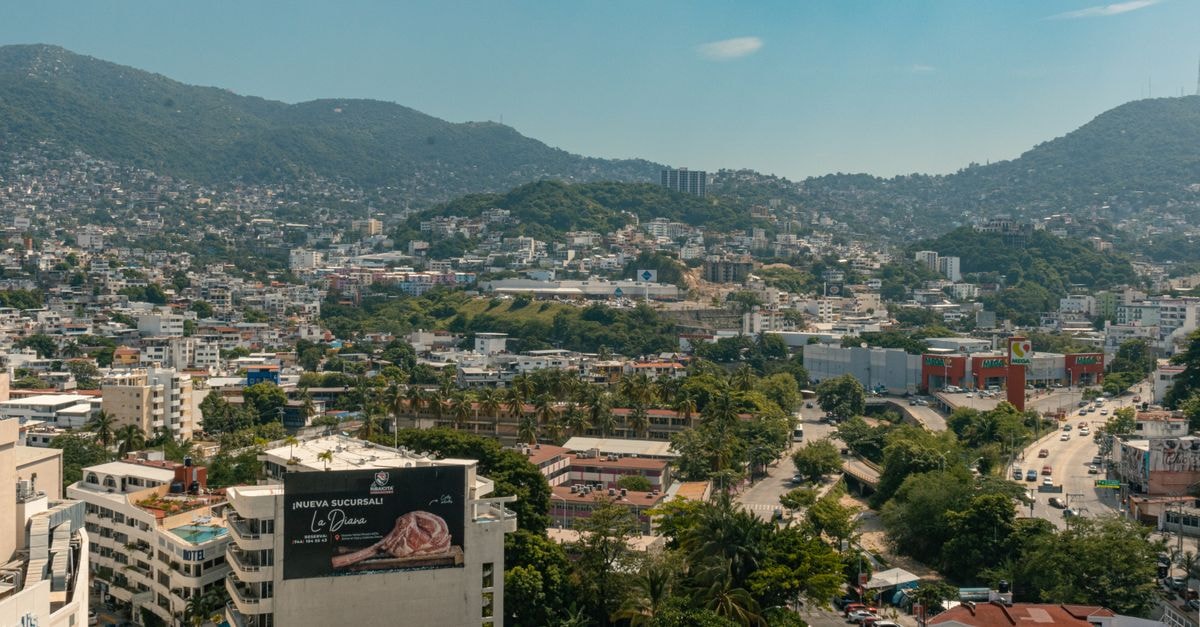
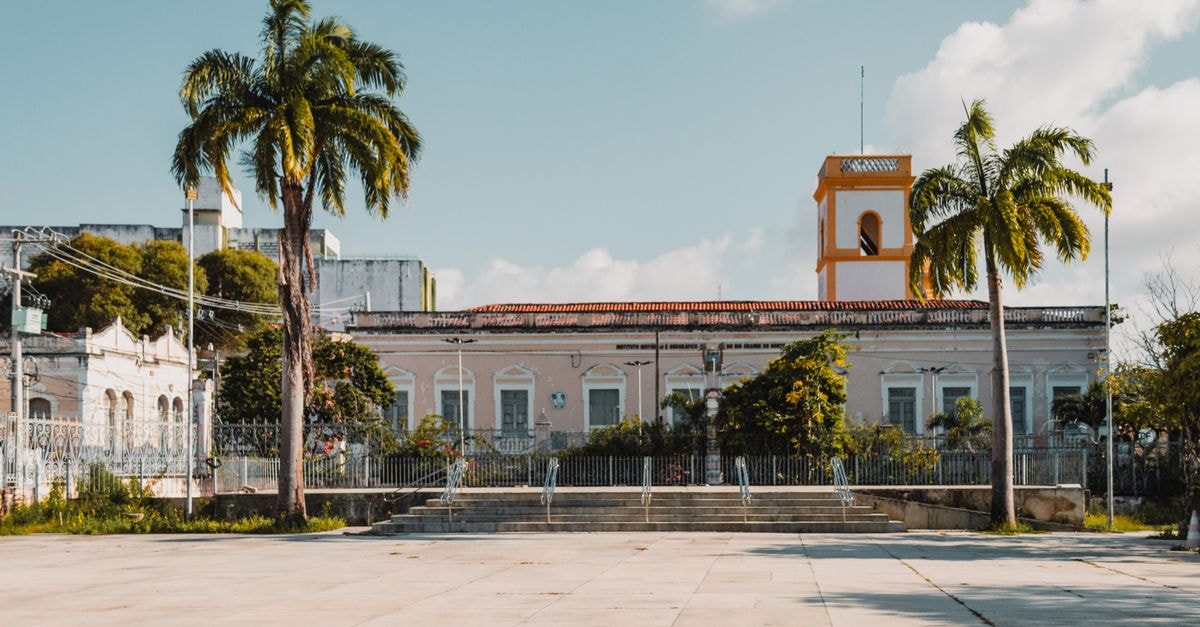
A relaxed introduction to Encarnación

Encarnación, in Paraguay’s Itapúa department, offers a compact travel story shaped by straightforward regional connections, the heritage of La Santísima Trinidad de Paraná, and food traditions influenced by both Paraguay and European immigrant colonies. This guide focuses on the practical details that can help you understand the city’s place in a wider journey without overloading the itinerary with unsupported recommendations.
The city sits at the meeting point of local character and regional history. La Santísima Trinidad de Paraná is a UNESCO-listed Jesuit mission near Encarnación, known for its ruins and historic layout. For travelers interested in heritage, it provides a meaningful reason to include the city in a broader exploration of Itapúa.
Getting there and choosing a route
Encarnación is connected to other major Paraguayan cities by long-distance bus services, including routes from Asunción and Ciudad del Este. If you are arriving from outside Paraguay, the available transport guidance points to Silvio Pettirossi International Airport in Asunción, followed by a bus or car journey to Encarnación. The approximate road journey from Asunción is six hours.
That makes the bus a useful first planning consideration. It allows you to connect Encarnación with a longer route through Paraguay, rather than treating the city as a separate, isolated stop. The choice between bus and car from Asunción may depend on the kind of journey you prefer: a bus is the directly documented intercity option, while a car is also identified as a way to reach the city from the airport. The guide does not provide live schedules, fares, booking details, or a comparison of travel times by road beyond the stated approximate six-hour journey, so those details should be checked independently before departure.
La Santísima Trinidad de Paraná
For visitors drawn to history and architecture, La Santísima Trinidad de Paraná is the clearest cultural anchor associated with Encarnación. It is a UNESCO-listed Jesuit mission near the city, and its ruins and historic layout are the features highlighted in the available information.
The mission may suit travelers who prefer heritage-focused experiences over a list of urban stops. Because it is described as near Encarnación rather than within the city center, consider how it fits into the wider purpose of your visit. The evidence does not provide a precise distance, opening hours, admission information, guided-tour availability, or a recommended route from central Encarnación. Those practical details are intentionally left unstated here.
Rather than turning this into a guaranteed day plan, use the mission as a focused heritage excursion connected to your stay in Encarnación. Its UNESCO status gives it particular relevance for travelers interested in historic places, while the ruins and historic layout offer a specific point of interest for understanding the region’s Jesuit past.
Food and the city’s cultural context
Encarnación’s food scene reflects Paraguayan tradition alongside the influence of European immigrant colonies. That combination gives the city a useful culinary context without requiring you to search for a single definitive dish or restaurant.
One direction suggested by the available information is German-influenced food, including dishes and pastries associated with nearby colonies. If you enjoy exploring food through cultural history, consider looking for those influences as part of your understanding of the local dining landscape. The evidence does not identify specific restaurants, bakeries, menus, prices, or a signature Encarnación specialty, so no venue or dish is presented here as a guaranteed recommendation.
The wider pattern is the useful part: Encarnación can be approached as a city where Paraguayan food traditions and European immigrant influences meet. That makes the subject especially relevant to travelers who enjoy connecting meals with the history of a place, while still allowing flexibility for individual preferences. It does not establish that every restaurant serves the same cuisine, that any particular dish is available everywhere, or that a particular establishment is open at a specific time.
A simple way to shape your visit
Encarnación works best for a trip with a clear center of gravity. Travelers who value regional bus connections can use the city as a stop connected to Asunción or Ciudad del Este. Travelers whose priority is heritage can focus on La Santísima Trinidad de Paraná, a UNESCO-listed Jesuit mission near the city known for its ruins and historic layout. Travelers interested in food can use the meeting of Paraguayan traditions and European immigrant influences as a lens for exploring what they encounter.
These are complementary rather than competing priorities. The same city can support a journey that combines a regional arrival, a historic mission, and a thoughtful look at local food culture. The available evidence does not support a fixed stay length, a timed itinerary, crowd expectations, accessibility details, or claims about the atmosphere of individual venues, so leave room for the information available during your visit.
Before you go
Because transport arrangements, airport access, attraction details, and food availability can change, verify essential arrangements through official or current service channels before departure. The factual conditions described here are durable guide points rather than live confirmations of schedules, fares, opening hours, reservations, or menu availability. Keep your route flexible, and use the confirmed details available at the time of travel to refine the practical side of your Encarnación visit.
Prices, opening hours, schedules, reservation rules, and local conditions can change; verify them through official channels before departure.
Share this article
TOOLS FOR THIS PLAN
Make the Encarnación plan measurable
Choose a tool only when it answers the next question in your trip. Your values stay in the browser, and each tool offers a route back to this planning context.