Destination overview

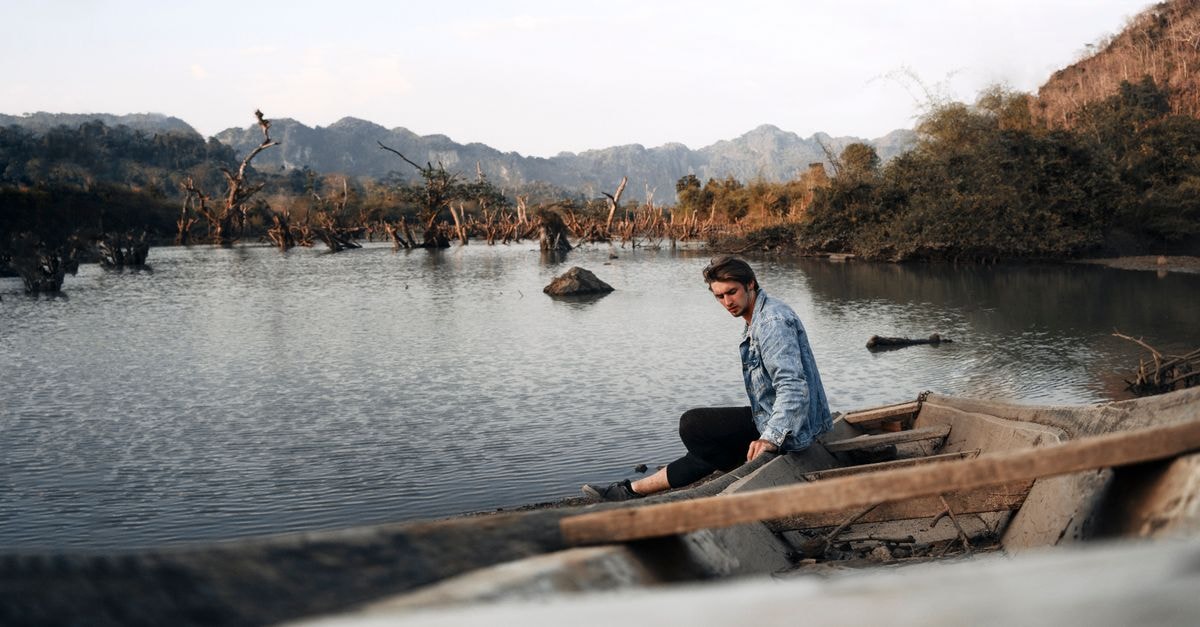
Enshi sits quietly in the southwestern corner of Hubei Province, and it feels different from many of the better-known stops along the central China trail. The prefecture is described as a green corner of the country, with nearly seventy percent of its land covered in forest, and it is positioned in a fascinating geographic pocket, bordered to the north and west by Chongqing, to the south by Hunan, with the Shennongjia Nature Reserve not far to the northeast and Yichang further east. Travelers who arrive expecting flat river valleys often find themselves surprised by the texture of the landscape instead: layered hills, deep green ridges, and winding water that has carved its way through stone for centuries.
What makes Enshi feel like a destination rather than just a transit point is that blend of dense forest, river-cut scenery, and the kind of layered cultural backdrop that comes from being a Tujia and Miao Autonomous Prefecture. It is a place where the physical setting is the headline, but where the rhythm of life, from the way food is shared to the way old buildings still shape the skyline, asks for a slower pace than a hurried city break. This Enshi travel guide collects what is reliably known about the destination so that a first-time visitor can arrive with realistic expectations rather than vague assumptions.
Weather and seasonal context
Enshi's climate is often described as pleasant and well suited to year-round tourism, anchored by a forest coverage rate of around seventy percent. The prefecture's position in southwestern Hubei, sandwiched between Chongqing, Hunan, and the Shennongjia corridor, means that the air tends to feel softer and the landscape stays greener for longer than travelers might expect from inland China.
Because the destination is widely framed as a green city with a pleasant climate and high forest coverage, visitors can usually plan their days around being outdoors, whether that means a canyon viewpoint, a forest path, or a long look across a river bend. The exact feel of any given day depends on the season, so it is worth treating the climate description as a starting point and checking the live forecast closer to the trip. Travelers who prefer cooler mornings for hiking and warmer afternoons for sitting outside a guesthouse will often find that the forested setting gives them room to pace the day differently than they would in a denser city.
Getting around
Movement is part of the experience here, because the geography of Enshi is defined by water cutting through canyons with steep cliffs and dense greenery on either side. Roads follow the rivers and the contours of the hills, which means that even short distances on a map can feel like proper journeys. Travelers should expect scenic drives, winding sections, and slow but rewarding transitions between one pocket of the prefecture and the next, rather than the fast straight shots that flatter terrain allows.
Nearby, the Enshi National Gymnasium is listed as a popular attraction in the area, reflecting how the wider city region mixes natural scenery with modern civic landmarks that sit close to the forested pockets travelers come to see.
Food and local context
Enshi sits inside the wider story of Chinese cuisine, and it helps to arrive with a sense of how food functions across the country before narrowing down to local habits. Food in China is described as one of the world's greatest and most varied culinary traditions, and dining is treated as a serious cultural thread rather than a quick refuel. Visitors who lean into that framing tend to enjoy their meals more, because the experience is built around sharing, conversation, and a sense of occasion rather than speed.
That national context also shapes etiquette at the table. Chinese dining culture is closely tied to a long history of ritual and etiquette, which means that small gestures, the order in which dishes arrive, and the way a meal is paced all carry meaning. Travelers who take a little time to observe and follow the rhythm of a shared table will usually find themselves welcomed more warmly.
Travel in China more broadly is framed as a cultural tour that runs from intangible crafts to cuisine, from street life to ritual. That wider lens is useful in Enshi, where the food you encounter is best read as part of a larger story about how regions across China express themselves through what they grow, cook, and share. Rather than chasing a single signature dish, it can be more rewarding to treat meals as small windows into that broader cultural texture, asking questions, trying what is in season locally, and letting the pace of the table match the pace of the landscape outside.
Practical notes before you go
A note on factual accuracy: travel conditions can change quickly, and details such as opening hours, road access, rural route availability, and local guidance are best confirmed through official channels closer to departure. This guide focuses on durable information about Enshi that is less likely to shift, while flagging the points where a final check is the responsible move.
Share this article
TOOLS FOR THIS PLAN
Make the Enshi plan measurable
Choose a tool only when it answers the next question in your trip. Your values stay in the browser, and each tool offers a route back to this planning context.