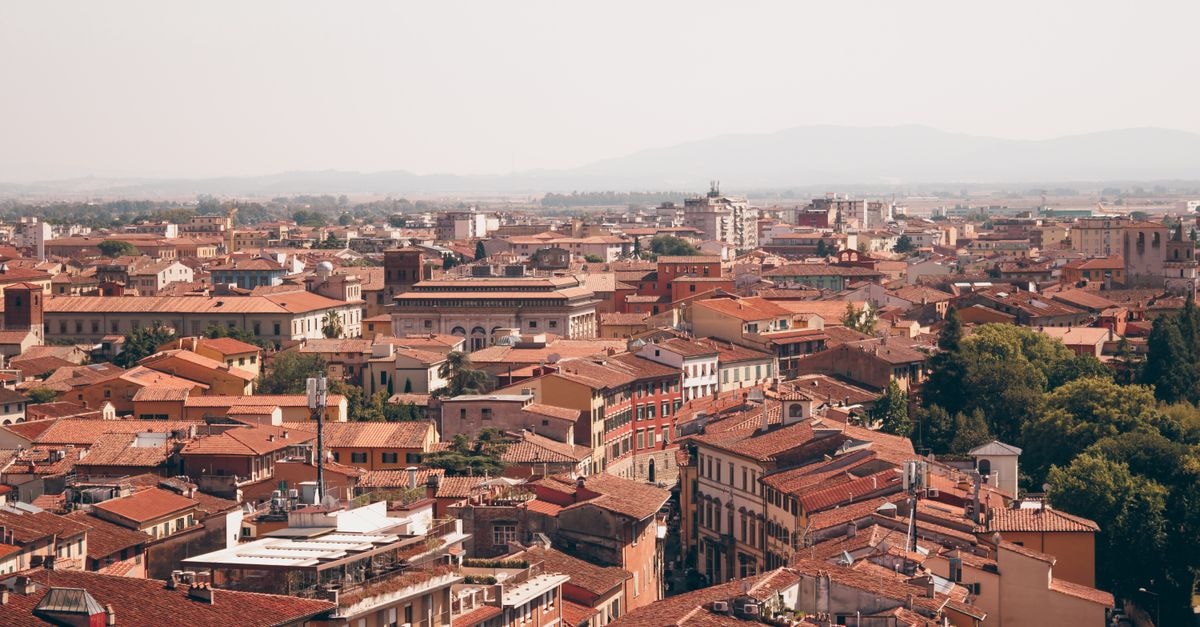
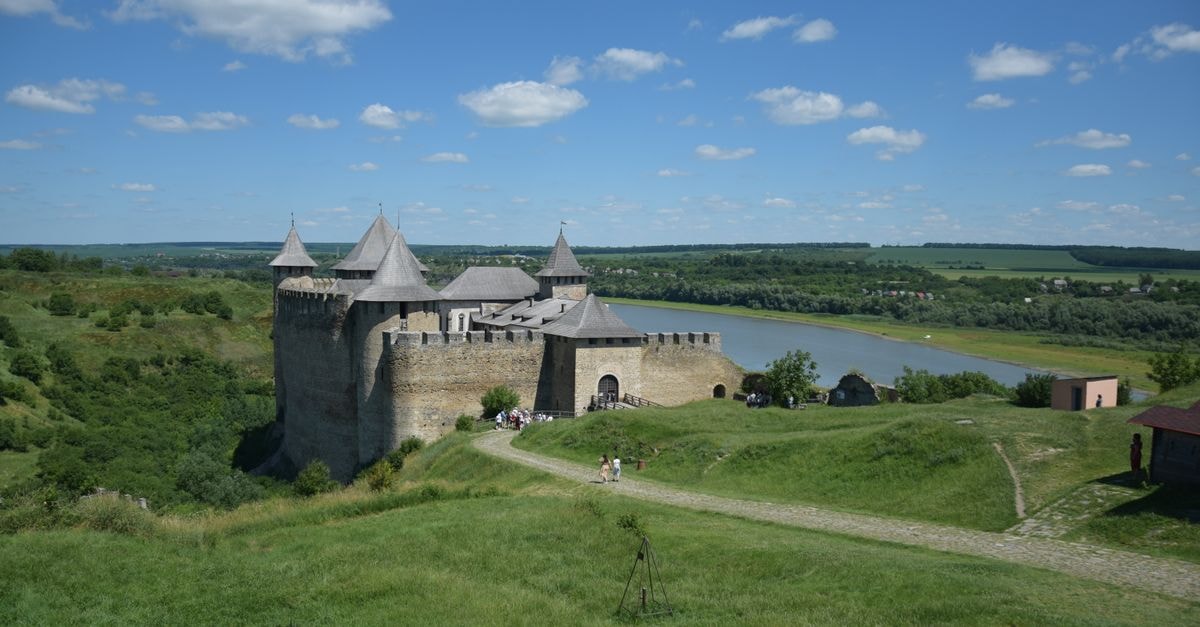
A first impression of Erfurt

Erfurt is the kind of city that rewards a slower pace. Set in the heart of central Germany, it carries a quiet, layered charm: cobbled streets, a beloved cathedral square, and a long horticultural identity that visitors still encounter today. The city also holds deep historical weight, including its connection to Martin Luther and a documented presence of historical Jewish sites. For travelers who like places with a story but without the overwhelm of a major metropolis, Erfurt tends to feel like a comfortable middle ground.
The medieval center is compact and walkable, which suits visitors who prefer exploring on foot rather than mapping out long transit days. Because most of the city’s headline experiences cluster around a few central squares and bridges, it is easy to settle into Erfurt without the friction of constant transfers or rush-hour logistics.
Weather and seasonal context
Erfurt sits in central Germany, where conditions can shift noticeably through the year. Rather than chasing a single perfect forecast, the practical approach is to think in layers and plan a flexible daily rhythm. Spring and early summer typically bring the kind of mild, blooming weather that suits long walks between squares, while later in the year the air often cools and the days shorten. Travelers who prefer warmer outdoor exploring may want to favor the brighter months, while those who enjoy quieter streets and atmospheric low light may find the cooler side of the year equally rewarding.
Because Erfurt is largely an outdoor walking city, rain is worth planning for. A compact umbrella and comfortable shoes will earn their place in any bag. Visitors who prefer to avoid heavy foot traffic may also want to start their days earlier, when the central streets tend to feel calmer, and return later for evening atmosphere when the day-trippers have moved on.
Getting around
Erfurt’s size and layout make it a natural walking city. The medieval core is the heart of the visitor experience, and most of the landmarks visitors come to see sit within a comfortable radius of one another. This is one of the reasons Erfurt often feels relaxed even for first-time visitors: the distance between points of interest rarely demands a taxi, a transfer, or a long ride.
For arrivals from elsewhere in Germany or from further afield, the city’s central position makes it a straightforward rail destination from other German hubs. Once you are in the old town, however, the most useful mode of transport is simply your own two feet. Travelers who prefer not to walk long distances each day should still find the city manageable, since the core is concentrated rather than sprawling.
If you prefer to keep your itinerary light, Erfurt is the kind of place where you can base yourself centrally and step out each morning without needing to plan a commute. Visitors who want to explore beyond the core can rely on local public transport, but for a short stay focused on the historic center, walking is usually enough.
Attractions and planning
Planning a visit around the Domplatz is also practical, because many of the city’s other landmarks sit within easy reach of the square. Because of this concentration, travelers who prefer to keep their days uncluttered can choose one major stop in the center and then wander outward at their own pace, rather than trying to build a tight schedule.
For visitors who want to dig deeper into Erfurt’s identity, the city’s heritage extends well beyond a single square. Erfurt is described as the city of flowers and horticulture, a place where Martin Luther lived and studied, and a documented location of historical Jewish sites. These threads — horticulture, Reformation history, and Jewish heritage — give the city its layered character. Travelers with a specific interest in any of these areas can use them as a loose theme for their stay, weaving them through short walks rather than treating them as separate full-day excursions.
If you are deciding where to focus, consider matching your interests to the city’s natural geography: the Domplatz and its surroundings for the headline Erfurt experience, the green spaces and gardens for those drawn to the horticultural identity, and the older streets and historical markers for those following Luther’s footsteps or the Jewish heritage trail. None of these need to be rushed; Erfurt is best absorbed in small pieces.
Choosing what fits your trip
Because Erfurt is compact, the main decisions are less about logistics and more about pace and priorities. Travelers who enjoy a festival atmosphere may want to align their visit with a known Domplatz event, while those who prefer quiet exploration will likely find the early mornings and late afternoons more comfortable. Visitors who care about Reformation or Jewish history can use the city’s layered identity as a thematic thread, and those drawn to horticulture can lean into the green spaces that give Erfurt its floral reputation.
The most useful approach is to pick one or two themes rather than trying to see everything, and to let the medieval center connect them naturally on foot.
A short verification note
Travel conditions can change over time, including festival programming, transport options, and seasonal weather. Before finalizing any plans around the Domplatz or other central sights, it is worth checking the city’s official tourism channels for the latest confirmed details, and reviewing current weather guidance close to your travel date.
*Factual travel conditions can change. Always confirm opening hours, event schedules, and transport options through official channels before departure.*
Share this article
TOOLS FOR THIS PLAN
Make the Erfurt plan measurable
Choose a tool only when it answers the next question in your trip. Your values stay in the browser, and each tool offers a route back to this planning context.